


 rahulNovember 14, 20262 Mins read0
It was a world away from the pollution-spewing trucks and buses, factories and warehouses that crowd the suburbs of Kolkata beyond the graceful Vidyasagar Setu arching over the Hooghly. Once the cacophony of the Durgapur Expressway was left behind, there was a perceptible change in mood. Anyone who lives in a frenetic big city these days would vouch that stress is endemic and heading out, away from the madding crowds, leads to an instant lowering of tension.
Also Read: Indians splurge Rs 72k cr on their favourite obsession
And peace is the overwhelming feeling upon entering the impeccably maintained compounds in both villages that contain not only the quaintly thatched huts where the two elevated souls came into this world, but also prayer halls, offices, bhog areas, dispensaries, guesthouses and flower-filled gardens. Given that thousands – exceeding 20,000 on important days – visit Kamarpukur and Joyrambati daily and stay on for bhog prasad, the compounds’ serenity is hard to believe.
And their cleanliness stuns. Forget jhalmuri packets, tissue papers or plastic water bottles, not even fallen leaves or dust mar the pathways and gardens. It is not as if there are armies of sweepers on hand to pick up detritus either; visitors are simply more mindful while on the premises. How come? After all Indians these days are notorious for being loud, littering gits, on par with British lager louts. It seems that it all depends on whether places inspire respect and restraint.
Also Read: India says foreign goods can overstay
In the expansive hallowed campuses of Kamarpukur and Joyrambati, these same people – Indians – did not talk loudly; they did not try to scratch their initials on pillars; they did not drape themselves on walls or amid the flowers to take selfies; they did not throw trash into the ponds; and they did not let their children turn into screeching, high-speed, wrecking balls. Polite attendants firmly told the few infringers to abide by the rules. And they all willingly complied.I have seen a similar all-pervasive calm at the Belur Math of the Ramakrishna Mission near Kolkata, the Aurobindo Ashram in Pondicherry and the Golden Temple in Amritsar, thousands of miles apart. There are more such places around India where desi visitors are anything but the kind of Ugly Indian Tourist that locals complain about from Goa to Gangtok, Kashmir to Kanyakumari. That just begs the question why Indians are so badly behaved in many other places.
An overwhelming majority of those who come to Kamarpukur and Joyrambati are devotees. They, therefore, know the sanctity of those places and behave accordingly. The same is true of the sacred precincts at Belur, Pondicherry and Amritsar. But why is the same courtesy not extended to all places they visit? Do only the divine merit courtesy, cleanliness and calm? The public’s behaviour at these places show that Indians can be model visitors when we want to be.
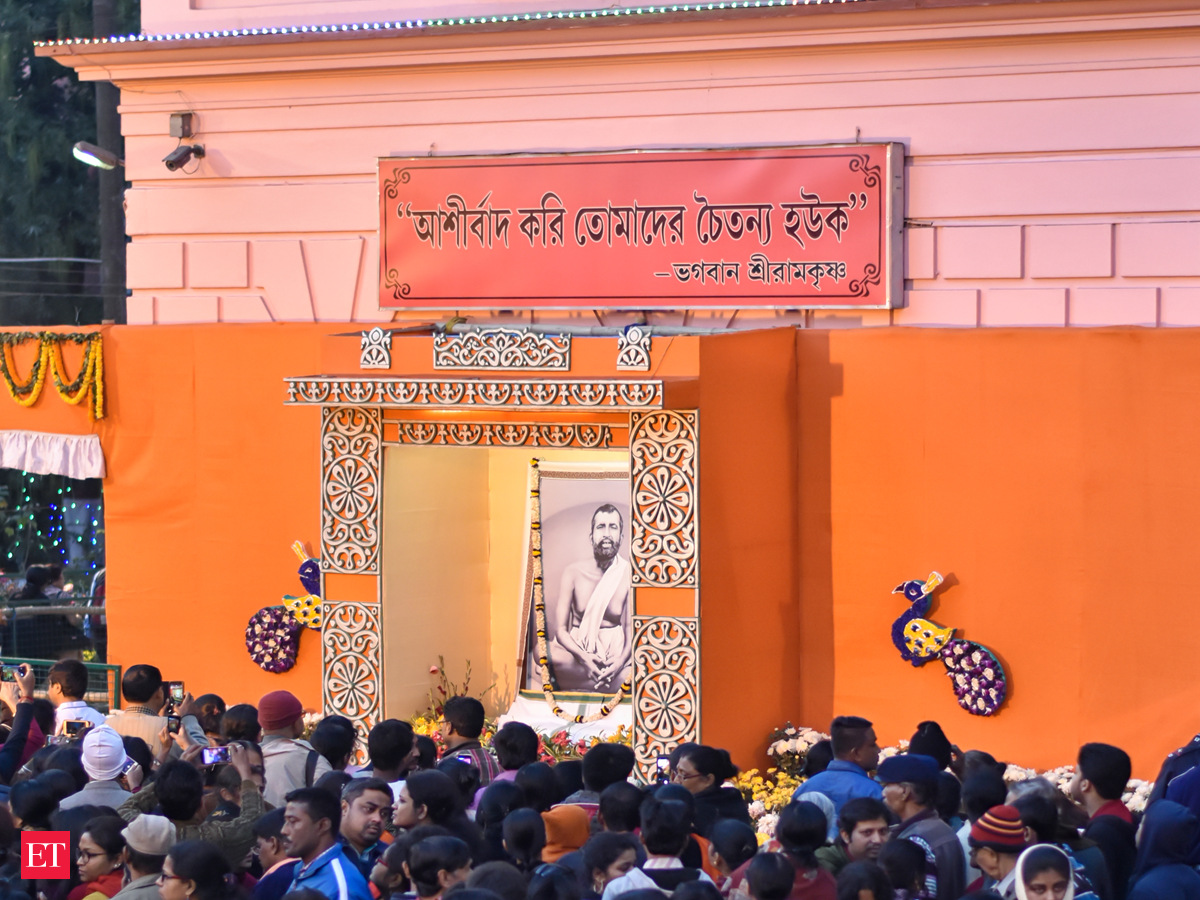
At Kamarpukur and Joyrambati it is hard to be anything but ideal visitors, though. There’s something about the cumulative effect of their soothing tranquillity broken only by birdsong and trees rustling in the autumn breeze, the fresh flowers artfully arranged around the statues of Sri Ramkrishna and Maa Sarada Devi, and the smiling sanyasis telling stories of the divine couple’s limitless humanity and humbleness… On the journey back to Kolkata, our hearts were full.