



 rahulNovember 7, 20263 Mins read0
With their vast electoral wins scarcely in the rearview, Congressional Democrats are gearing up for battle against President Donald Trump’s tariffs on Canada—and Prime Minister Mark Carney is welcoming the development.
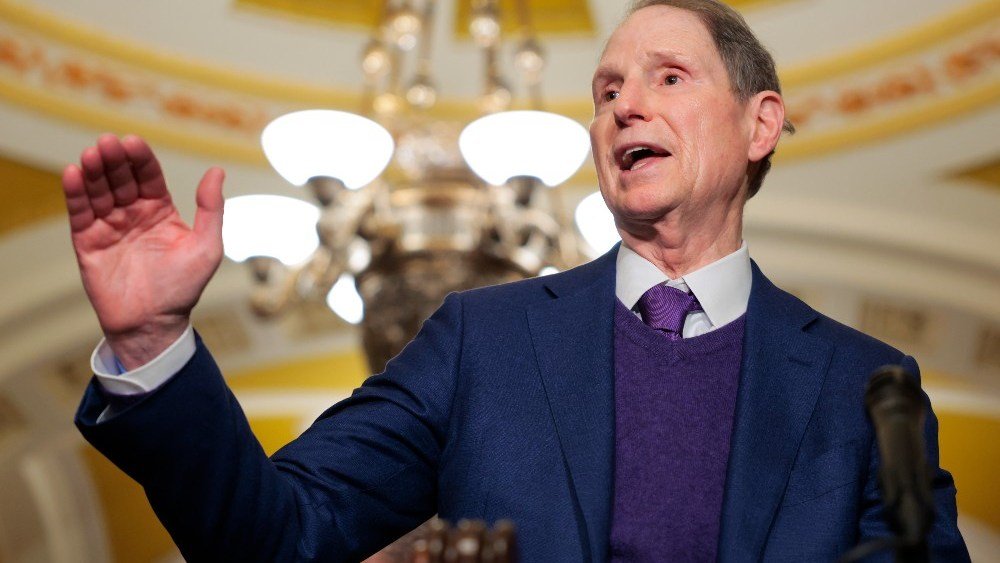
Ranking Member on the Senate Finance Committee Ron Wyden (D-Ore.) is leading the charge against the recently implemented 50 percent duties on over $20 billion in Canadian imports, which the president levied under Section 338 of the Trade Act of 1930.
The lawmaker said he was “already talking” with Senate colleagues about drafting legislation to remove the tariffs once he takes control of the committee in January, indicating “overwhelming support for repealing the tariffs on products from Canada” across the Democratic party, a report from the Wall Street Journal said.
The Democrats’ stance on tariffs and candidates’ stated intentions to repeal them—especially those deployed against the country’s closest ally—were a major factor propelling them to victory this election cycle.
An NBC News exit poll of 80,000 voters revealed that 65 percent believe Trump’s tariff policies have harmed the national economy.
For voters in border states like Maine, Michigan and Alaska, which trade heavily with Canada, the impacts have been dire, especially in the agricultural and automotive sectors. In the days leading up to the election, the president even made a last-ditch effort to help Maine’s incumbent Senator, Susan Collins, by pausing duties on Canadian goods from certain critical industries.
Sen. Wyden blasted the ill-fated maneuver, saying, “The only way to get Trump to reverse course is for Americans to send a message that his sabotage of the American economy has got to go, along with any politician who has supported his agenda.”
Voters did just that on Tuesday. But while the appetite to end the duties and momentum behind the nascent efforts are alive and well, it won’t be a cake walk.
Republicans’ reputations have been dinged by their fealty to Trump’s unpopular tariff agenda, and they may be willing to break with the lame-duck president to override a certain veto to any legislation that arrives on his desk—but there’s no telling at this juncture.
To override a presidential veto, Congress will likely need a two-thirds majority (290 votes in the House and 67 votes in the Senate). Democrats won 253 House seats and 54 Senate seats on Tuesday.
Candian Prime Minister Mark Carney was said to have been closing in on an interim truce with Trump in the days leading up to the election that would roll back certain duties on Canadian goods (and the retaliatory Canadian tariffs that followed). The discussions between Canadian and American trade officials have been bogged down by deep-rooted disagreement about the terms of the deal.
Asked Friday whether he’d spoken to Sen. Wyden or any of the Democrats since Tuesday’s election, Carney said he had not, but he indicated those talks may be forthcoming.
“Obviously, we welcome any moves to restore a free trading arrangement between Canada and the United States, which is in the interests of American families struggling with affordability,” Carney told reporters.
“It’s in the interests of American workers looking for good, high-paying jobs and stability, and it’s fundamentally in the interests of Canadians,” he added. “And we will we will continue to work with work with the Americans to get a deal that works for Canada.”
Ontario Premier Doug Ford, a member of Canada’s Progressive Conservative party and a longtime Trump critic who has tangled with the president on issues of trade, told CPAC Canada that he was “jumping up and down” over the midterm election results.
The American electorate “spoke on a couple of issues,” he said, including “cost of living, cost of gas, the war in Iran. But most important tariffs, because that’s all tied in to the cost of living.”
“A tariff on Canada was nothing more than a tax on the American people,” he added.
Ottawa’s Canada-U.S. trade minister, Dominic Leblanc was more circumspect in his assessment of the U.S. midterms’ potential impact on Canada-U.S. relations.
“Our focus hasn’t changed,” Leblanc said, according to Buffalo-Toronto Public Media. Addressing affordability for Canadians and strengthening the country’s economy by forging diversified trade relationships is top of mind, he added.
Leblanc also noted that those elected to Congress won’t be sworn in until January, “so the current Congress will remain in place, as will the administration of President Trump, with whom we’re having our trade discussions.”