



A grandmother speaking Swahili and the questions that followed inspired Project 28, an initiative working to make women’s health information more accessible.
A visiting nurse explained postnatal care in fluent English, but the women listening were frozen, their eyes on the floor. An hour later, an elderly village auntie explained the same information in Swahili as she walked with them back to their homes. Suddenly, they came alive with questions.
For Soha Budhani, who encountered this contrast over and over while volunteering abroad, these moments were the catalyst to something much bigger, revealing a missing puzzle piece that went beyond language. The women had access to information, but something was missing: the comfort to engage with it, the confidence to ask questions, and perhaps the feeling that the person speaking truly understood them.
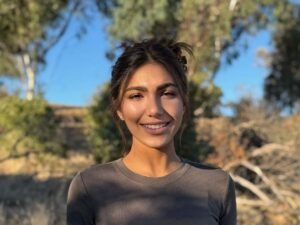
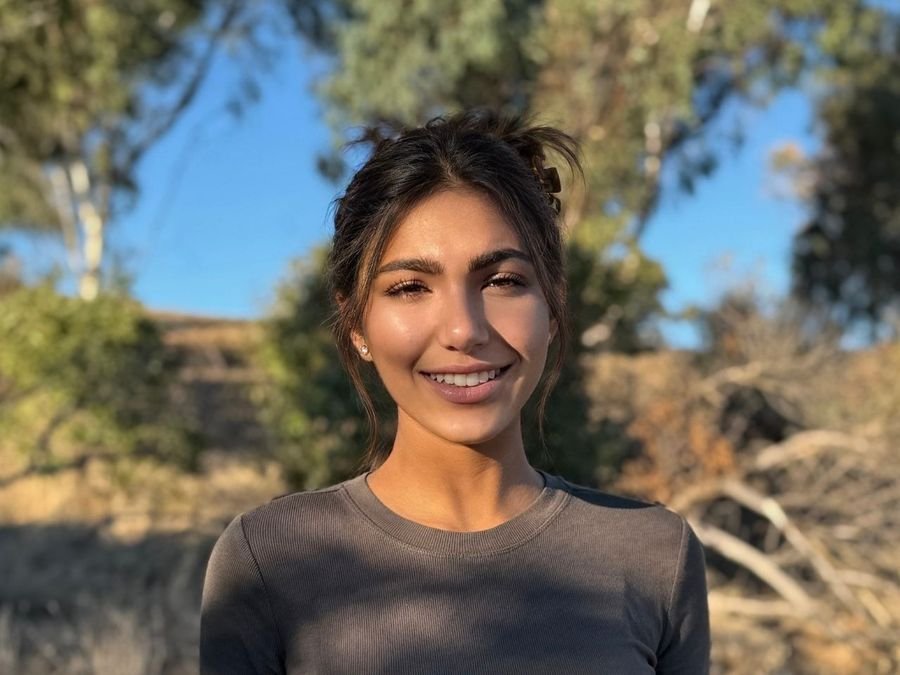
It was a realization that would help shape Project 28, Soha’s initiative focused on making women’s health education more accessible through trusted community networks.
Women’s health is often discussed as a question of access: access to healthcare professionals and access to medical resources and reliable information. But access can mean little when the subject itself is difficult to discuss.
Menstruation, reproductive health and postnatal care remain sensitive topics in many communities worldwide, including in parts of rural India. Cultural expectations, stigma and language barriers make it difficult for women to voice concerns or seek clarification, even when information is available.

During her volunteering experience, Soha also encountered distrust toward nongovernmental organizations and people arriving from outside the communities they hoped to help. Good intentions did not automatically translate into trust, in fact it was often the opposite.
She began to consider whether the answer lay not in bringing in more funds or organizations into these communities, but in supporting the people already within them. A familiar voice speaking a familiar language might create space for a conversation that an unfamiliar expert could not.
The insight shifted the question from how to deliver information to how to make women feel comfortable receiving it.
Project 28 takes a peer-to-peer approach to health literacy, combining technology-enabled coordination with community-based education. Its model centers on advocates who help connect people with reliable information in heritage languages and regional dialects.
To date, Project 28 has mobilized 410+ Health Advocates, along with countless second-generation advocates, working in 19 dialects across regions. Advocates on the ground report reaching 21,000 women, a figure the advocates we spoke to state vastly underestimates the initiative’s true reach.

The initiative addresses subjects including menstrual health, reproductive health and obstetric fistulas, topics that can carry considerable stigma and are not always openly discussed.
The idea is not to replace healthcare professionals or clinical care. Instead, Project 28 seeks to make health education easier to access by creating approachable pathways to information.
The Project 28 name references the average 28-day menstrual cycle, and reflects the subject at the heart of the initiative: women’s bodies, their experiences and their right to understand their own health.
There is a particular kind of freedom in being able to ask a question without fearing judgment. For someone navigating a subject surrounded by embarrassment or misinformation, the difference between silence and curiosity can be significant.
The same principle extends beyond reproductive health. Public conversations about vaccines, including COVID-19 vaccination, have illustrated how trust and personal relationships can influence the way people respond to health information. Facts matter but so does the context in which they are shared.
Project 28 builds on the idea that community members can help bridge the distance between reliable information and the people who need it. By encouraging peer-led education, the initiative aims to make sensitive conversations more approachable and help individuals find credible resources.
The approach also recognizes that women are not simply recipients of health information. They can be its interpreters, advocates and messengers within their own communities.
“My goal is to work myself out of a job,” Soha says with a laugh, speaking from her dorm room. “Project 28 was never meant to be a forever initiative. We want to go where there is need and jump-start communities with knowledge in the dialects they speak. It’s empowering, and once they know how to access information amongst each other, Project 28 moves on to other locations.”

Between classes, she grabs a bite and joins another video call with advocates on the other side of the world. In Bihar, a disproportionate share of Health Advocates are middle-aged women, while in other regions advocates skew toward their early twenties. Many of the aunties here call Soha and Project 28 shubh, an auspicious sign of good things to come.
Sunita, whose name has been changed to protect her privacy, is a middle-aged advocate in Bihar who recalls how often she watched women fall ill in the weeks after giving birth. For families living in deep poverty, sanitary pads remain unaffordable. Many new mothers managed postpartum bleeding with cloth rags reused without being properly sanitized with infections often followed. Since training with Project 28, Sunita has taught the women she supports how to disinfect their rags before reusing them. The infections she once saw so frequently, she says, have become rare.
For Soha, the lessons that came from her travels and volunteering were simple: expertise alone could not guarantee connection. The visiting nurse had information to share. The grandmother had something else: a relationship with the women, a shared language and the cultural familiarity that made asking questions possible.
Project 28 is built around bringing those elements together, with the aim of helping women access information without shame or unnecessary barriers.
In conversations about women’s health, progress is often measured in resources delivered and services made available. But perhaps another measure deserves attention: whether a woman feels able to raise her hand, ask what she does not understand, and leave the conversation feeling more informed than when she arrived.
Sometimes, the first step toward better health education is not a new answer. It is creating the conditions in which women feel safe enough to ask the question.