

 rahulNovember 17, 20263 Mins read0
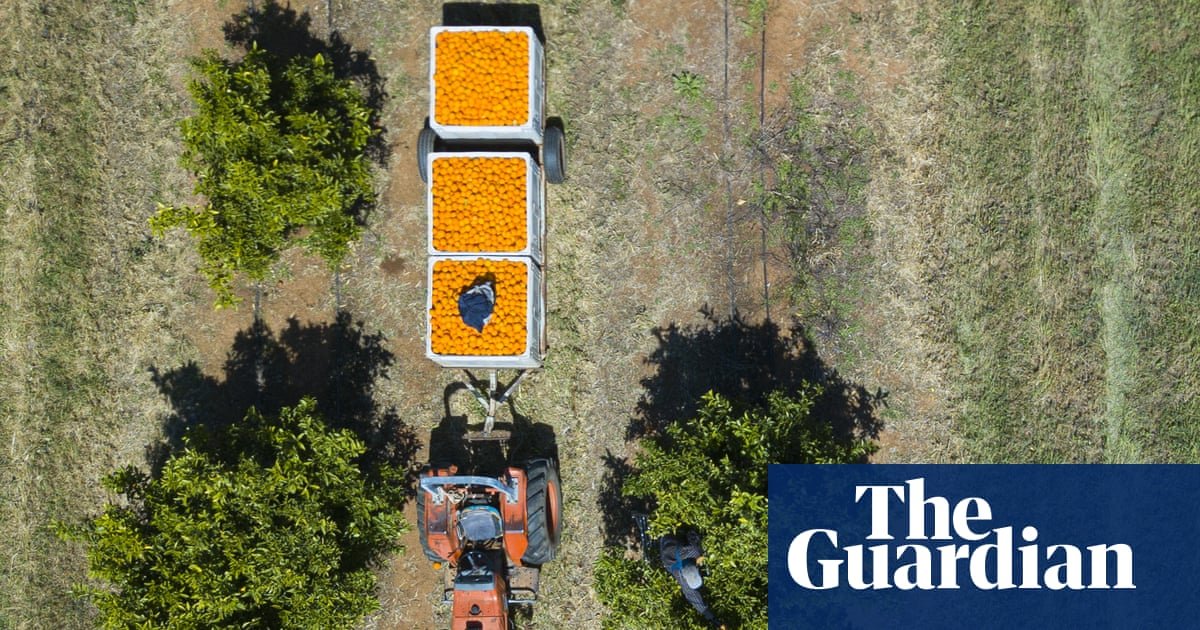
The federal government has backpedalled on its plan to cut backpacker numbers, arguing the change is the “best possible outcome” for regional industries who had criticised the crackdown because they rely on travellers for labour.
On Tuesday, the Albanese government announced it would lift the proposed cap on third-year working holiday visas, boost regional work requirements and delay the start of a new ballot system.
The home affairs minister, Tony Burke, had announced in a major speech in September plans to cap the number of third-year backpackers to 5,000 from the current level of about 31,000.
Burke said on Tuesday that the cap would now instead be set at 25,000 places. The home affairs minister claimed despite the increase, the net overseas migration (Nom) target would not change, due to a go-slow on approving UK backpacker visas.
“From the day after the [September] speech, myself, the assistant ministers and the department started consultation with industry to work through what’s the best landing place to deliver the total numbers we’re talking about, but to do it in a way that works best for industry,” Burke told reporters.
“There’s some extra head space I’ve been able to get because we continued to go slow on processing for UK backpackers.”
The major reforms to working holiday visas unveiled in September included a ballot for backpackers seeking to stay a second or third year which would require them to work in the regions.
Under the original proposal, just 45,000 backpackers would be allowed to remain for a second year and would be required to work at least three months in a regional area, and just 5,000 places would be allocated for workers seeking to remain in Australia for a third year.
The ballot will now be delayed. From 1 March 2027, backpackers will be required to work in regional areas for four months, instead of three. (The changes won’t apply to travellers who finish their current regional work by the end of February.)
Burke said the government would introduce a new “guarantee” for backpackers granted second- and third-year visas.
“From December, people will be able to apply for the guarantee. And from January, every month we’ll be issuing these guarantees. If you receive the guarantee and you do the regional work … then you’ve got the guarantee for the next year,” Burke said. “We’ll be issuing those every month.”
The minister said the extra requirement was “the best possible outcome” for regional areas.
Making backpackers do 120 days of regional work instead of 88 meant that even with the reduction in visa numbers there was a boost in the overall workforce, Burke said.
The changes followed months of consultation with industry, regional and agricultural groups who warned of worker shortages.
after newsletter promotion
Workers from the UK are exempt from the caps under a free trade agreement signed in 2021. Sources say the prime minister, Anthony Albanese, is in discussions with his UK counterpart, Andy Burnham, to force British backpackers to also do regional work going forward.
Burke said he was optimistic about negotiations.
“The conversations … have been going very well. But until every detail is landed on, I’m not going to get ahead of an announcement,” he said.
“The United Kingdom have a good understanding of the issues that we need to resolve, so I’m not going to put a timeline on it. But I will say I’m very optimistic.”
The Labor MP for Leichhardt in far north Queensland, Matt Smith, said the changes were a “win” for the regions.
“It was driven by the far north … it’s going to give people the surety they need going forward,” Smith said.
One industry source said they welcomed the anticipated announcement which showed the government was “listening to the concerns from our sector”.
The government has felt pressure to reduce Nom which has become a contested debate.
In September, ahead of the government’s original announcement, One Nation proposed cutting migration numbers by 750,000 over three years by drastically reducing international student and family visas. That policy has since disappeared from One Nation’s website.
The Coalition has also flagged a reduction in net overseas migration.