


 rahulNovember 16, 20262 Mins read0
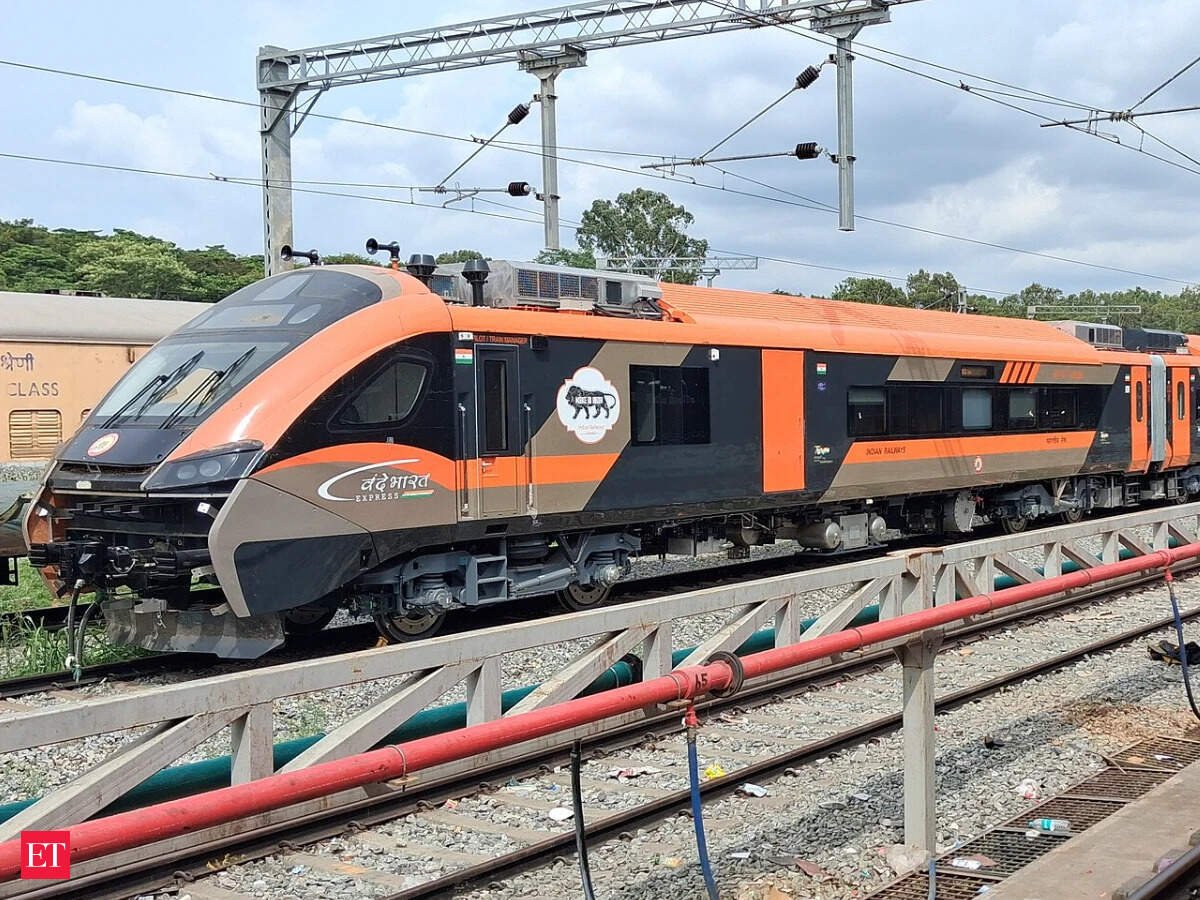
The October 24 incident raised concerns about the potential risk to other passenger trains. South Eastern Railway (SER) subsequently ordered an investigation into how the train continued its journey despite repeated warnings from the loco pilots and why staff failed to identify the braking problem.
According to a South Eastern Railway document, railway staff received instructions on October 24 to use a freight locomotive to haul an empty Vande Bharat chair car rake from Hatia to Jhansi.
The staff were required to integrate the rake’s braking system with that of the locomotive for the entire journey. PTI, quoting railway officials, reported that this was necessary to ensure the locomotive and coaches could brake together.
The first warning came at Ranchi Junction, where the loco pilot submitted a written complaint about poor brake power. The pilot informed the section controller and traction loco controller about the problem.
Despite the complaint, the train was allowed to continue without the reported issue being addressed.
A second loco pilot took charge at Muri station and also alerted the controllers. The pilot reported that lowering the brake pipe pressure failed to apply the brakes.The second warning also did not stop the train from continuing in the same condition.
An inspection at DDU station subsequently found that the brakes on every coach had been isolated.
The SER document described the situation as resulting in the “non-application of joint brakes”. In other words, the braking systems of the coaches were not working together with the locomotive as required for the journey.
The findings also pointed to failures in the checks carried out by railway staff. The probe found that the crew had not conducted the necessary checks and were unfamiliar with the Vande Bharat braking system.
The incident involved multiple lapses by staff members, according to the railway document. The two loco pilots had raised concerns during the journey, while the train continued towards its destination without the reported braking problem being resolved.
On November 7, South Eastern Railway issued an order directing the Ranchi divisional railway manager to investigate the October 24 incident in detail.
The order asked the divisional railway manager to ascertain the lapses on the part of the staff concerned and identify the necessary preventive steps.
The railway also highlighted failures by multiple employees, including shortcomings in checking the braking system and responding to the loco pilots’ complaints.
The investigation will examine how the empty Vande Bharat rake was allowed to cover around 463km despite two separate warnings about poor braking and why the problem remained unaddressed until the inspection at DDU station.
(Inputs from agencies)