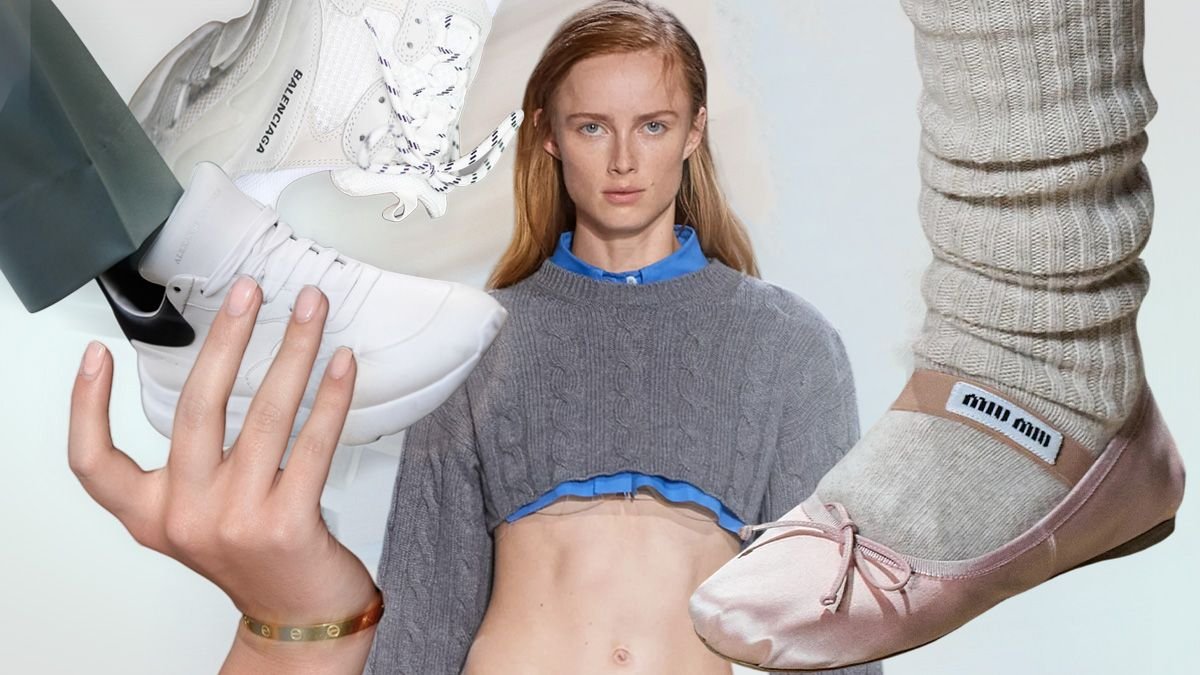




Likewise, McQueen’s entry-level Oversized Sneaker represented 80% of brand revenues at its peak in the late 2010s, according to Kering CEO Luca de Meo, during Kering’s full year 2025 earnings call in February of this year. According to analysts at Bernstein, the house’s turnover fell from €850 million to €200 million between 2022 and 2025.
“When sales are under pressure, brands [can] double down on products customers already understand and can more easily justify buying,” says Alvarado. Across brands, popular products are backed up by sales data, and begin to take more rail space and marketing attention, delivering short-term and easy wins. “The short-term need to protect revenue then leaves fewer resources to build demand for alternatives. That is how a sensible buying decision becomes a longer-term dependence.”
For brands, cashing in on a hit product makes immediate and obvious commercial sense. Done well, it welcomes new consumers into the fold, offering a short-term sales increase and the opportunity to convert them into long-term fans. But problems may arise when the entry-level product is pumped out without being replaced by another hit once demand fades.
“A breakout, viral product can lift a brand quickly, but once it’s everywhere, it loses the exclusivity that made people want it,” says Katy Lubin, VP of brand and communications at Lyst. Ubiquity is a problem for luxury brands, in particular. “It’s hard to spend a lot of money on something and then see it everywhere,” adds Marissa Lepor, managing director of The Sage Group. “The more prevalent that a luxury item becomes, the core customer of the luxury brand is less interested in it. They feel like it’s everywhere, or they already have enough of them.” Nowadays, this is happening quicker than ever. The rise of short-form video means that trends come and go much faster.