


 rahulNovember 16, 20265 Mins read0
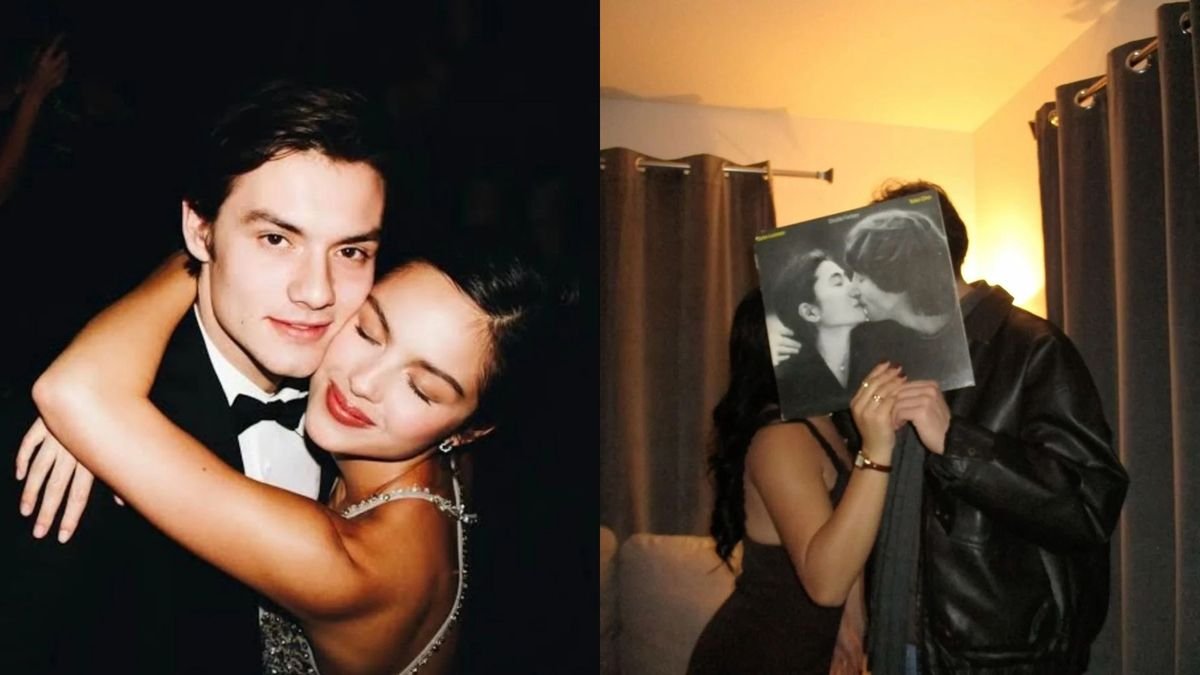
A relationship rarely ends in one clean departure. Even after the last conversation, the exchange of belongings and the decision to go separate ways, small reminders of a shared life tend to remain. Some are tucked into drawers, others find their way into old photographs, and a surprising number live on our phones. A playlist, a saved address, a WhatsApp conversation from three years ago; the digital world has a way of preserving things long after we have stopped making new memories with someone.
A breakup has a way of leaving behind an entire digital archive. Photographs, voice notes, saved addresses, shared albums, food delivery histories, playlists and conversations that once formed the ordinary fabric of a relationship. The person might no longer be part of your everyday life, but their presence remains scattered across devices you use every single day.
And unlike a box of old letters tucked away in a cupboard, these memories are remarkably easy to stumble upon. All it takes is a search, a notification or an algorithm with particularly unfortunate timing.

Music has an extraordinary ability to attach itself to a particular period of our lives. A song played during a long drive, an album recommended over dinner or a playlist exchanged during the early stages of dating can acquire an entirely different meaning over time.
You might find yourself skipping a song because it reminds you of a particular evening, only to return to it a few months later out of curiosity. There are playlists you made together, songs they introduced you to and tracks you added because the lyrics said something you couldn’t quite articulate yourself. Even the name of a playlist can feel like an artefact from another life.
Streaming platforms make these associations surprisingly difficult to escape. A collaborative playlist might still exist, carrying both your listening histories. Their profile might remain visible, and a song they once played repeatedly could suddenly appear in your recommendations. Sometimes, the attachment isn’t even to the person as they are today. It is to the version of yourself who discovered that music, went on those drives and believed the relationship would last. Deleting the playlist can feel like discarding a small record of that time.

Text conversations are perhaps the most peculiar archives of a relationship. They contain everything from important declarations to photographs of badly presented restaurant meals, grocery lists, missed calls and messages asking whether you reached home safely.
When a relationship ends, the chat doesn’t suddenly become less detailed. It remains an almost absurdly complete record of two people getting to know each other. You can scroll back to the first conversation, find the photograph they sent you months ago or search for a particular word to locate an exchange you remember almost verbatim.
Then there are the screenshots. A particularly sweet message, a conversation with a friend about the relationship, a photograph you saved because you liked how you looked that evening. Some people move these into hidden folders; others leave them sitting in their camera roll, mixed in with work references, shopping screenshots and photographs of their lunch. Voice notes can be even more personal. A familiar laugh, the sound of someone explaining their day or a rambling message recorded on their way home can preserve something photographs cannot. Their voice becomes a recording of an ordinary moment that no longer exists.
There is also the question of what to do with shared photographs. Do you archive them, move them to a separate folder or delete them altogether? The decision can feel unnecessarily complicated, especially when a photograph happens to be one of your favourites.

Social media has made the aftermath of a breakup particularly strange because it allows people to remain indirectly present in each other’s lives. You might stop speaking, but you still know when they have posted a photograph, changed their profile picture or attended an event you would once have gone to together.
There are smaller habits, too. Checking whether they have watched your story, noticing that they have liked a mutual friend’s photograph or briefly wondering whether a song in their latest post means anything. Sometimes, you upload something and find yourself thinking about how a particular person might interpret it. You delete the story, reconsider the caption and then post it anyway. The digital footprint of a relationship also extends beyond social media. Google Maps might still have a restaurant saved from a date, a shared location might remain active, and a food delivery app could retain an address you once used regularly. Even an old calendar entry can bring back an afternoon you had almost forgotten.
Algorithms add another layer to this. Memories features resurface photographs without warning, while shopping platforms and travel apps can retain traces of shared plans. You might be looking for something entirely unrelated when a photograph from a holiday appears on your screen.
What makes these experiences so peculiar is that they are rarely dramatic. They are brief interruptions to an otherwise ordinary day. A familiar name appears, a photograph catches your attention and suddenly, a part of your afternoon belongs to a memory.

There is an expectation that moving on should involve a certain amount of digital housekeeping. Unfollowing, deleting, blocking, clearing conversations and removing photographs have become familiar rituals after a breakup. For some, these boundaries are necessary. For others, the process takes considerably longer.
Emotional attachment does not operate according to the storage capacity of a phone. You can delete every photograph and still remember the exact route to someone’s house. Equally, you can keep an old conversation without wanting to reopen the relationship. Perhaps the more useful distinction is between preserving a memory and repeatedly returning to it. Keeping a photograph because it captures a wonderful holiday is different from looking at it every night to reconstruct a relationship you are struggling to accept has ended. One allows the past to remain part of your life; the other can make it difficult to experience the present.
It is also worth recognising that not every digital remnant needs an immediate decision. You can archive a conversation until you are ready to deal with it, remove shared access to accounts and locations, or mute someone’s updates without turning the process into a public declaration. What matters is whether these traces are beginning to interfere with your everyday life.
A relationship can end without every memory becoming disposable. The photographs might remain, the songs might find their way back into rotation and the restaurant might still be worth visiting. Eventually, you might hear that familiar song while getting ready for work and realise you are thinking about its melody rather than the person who introduced it to you.
That, too, is a kind of moving on. Not every trace needs to disappear for a life to begin feeling like your own again.