


Boston’s food scene has a story that goes well beyond its famous lobster rolls, clam chowder and New England seafood. Across the city and its surrounding neighbourhoods, chefs are bringing different culinary traditions to the table, opening independent restaurants and giving diners new reasons to explore the city’s food culture. From Italian and Mediterranean cooking to cuisines shaped by Boston’s diverse communities, the restaurant landscape has grown considerably over the years.
Much of this evolution comes from chefs who have built their careers in the city while contributing to the next generation of its culinary talent. Some have spent decades watching Boston’s dining culture change, while others are introducing their own interpretations of food shaped by family, heritage, travel and time spent in different kitchens. Together, they offer a closer look at what makes the city’s restaurant scene distinctive today, the communities supporting it and where it could be headed next.

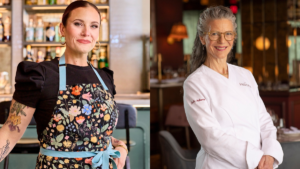
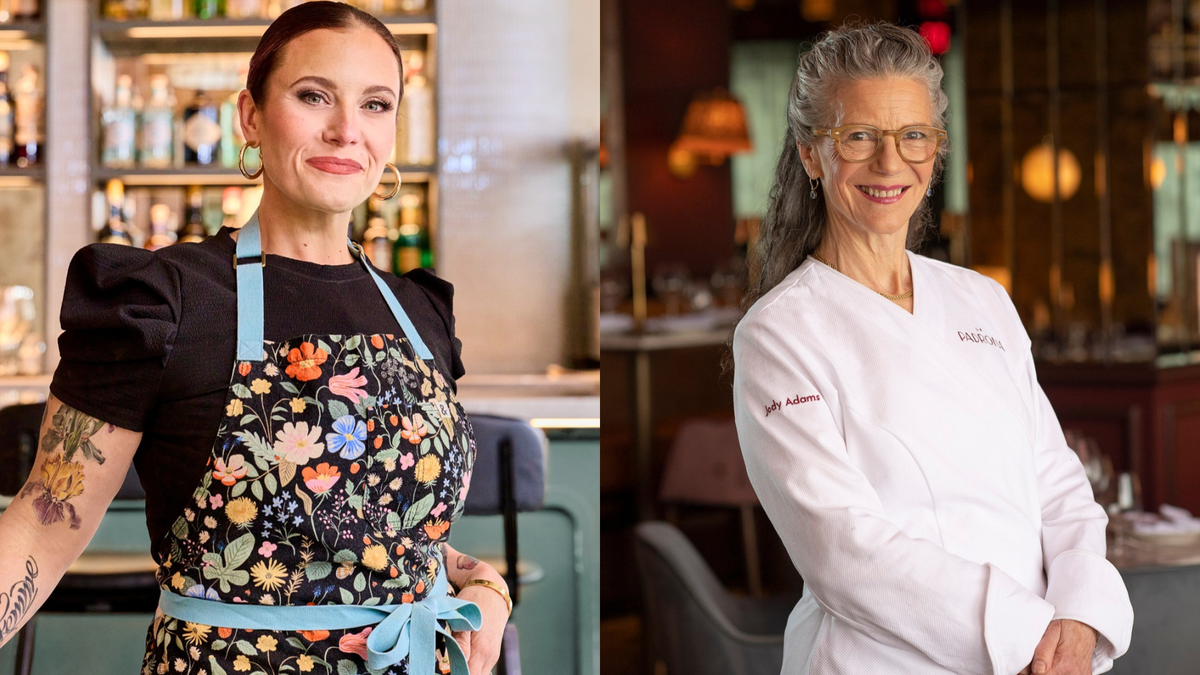
With more than four decades in Boston’s restaurant industry, Chef Jody Adams has witnessed several chapters of the city’s culinary growth. From Rialto, the acclaimed restaurant (now closed) that put her on the map, to her current ventures, including TRADE, Porto and Saloniki, her career has been closely connected to Boston’s dining community. Today, what excites her most is the growing number of neighbourhoods contributing to the city’s food culture.
“For a long time, ‘dining in Boston’ meant a handful of zip codes. Now the most interesting cooking is turning up all over the map, including in my own neighbourhood, Dorchester. It’s exciting to see so many more cuisines are getting real exposure. Look at Comfort Kitchen in Dorchester or Mahaniyom in Brookline. And the recognition is catching up with the cooking. MICHELIN and others are looking well beyond the usual addresses.”

She also highlights Boston’s growing culinary reputation and international profile, with openings in five-star hotels such as her own La Padrona at Raffles and a new Four Seasons restaurant in the works. For Adams, however, neighbourhood favourites remain just as central to the city’s food culture.
“When I started out, I was fortunate that there were so many young chefs coming up at once, Lydia Shire, Jasper White, and my mentor Gordon Hamersley. With the incredible talent we have in Boston, it feels like that again.”
Her own route into professional cooking was shaped by an academic background in anthropology and an unexpected encounter with Julia Child. That early interest in understanding people and cultures continues to influence how she approaches food. For Adams, a cuisine is best understood by looking beyond the ingredients and techniques to the people and histories behind it.
“Food and culture can’t be separated because food is a reflection of the culture. So, I always want to know more than what’s on the plate. I want the why.

“How does a cuisine travel? What is the best way for a New Englander to interpret cuisines from around the world? Every community has its own culture, and a kitchen is a community. I ask the same question at work: what is the culture of this kitchen, and does everyone in it feel welcome?”
Julia Child also played an important role in her early years, particularly in encouraging women to pursue professional cooking. Adams recalls her candid advice and the opportunities to spend time with the celebrated chef.
“Julia Child was a huge cheerleader for young chefs, particularly women, and very much a part of the Boston restaurant community. She was also candid. She once told me that if I was going to have a fine restaurant, I must serve a prime sirloin. That was not a suggestion.”
Adams spent more than two decades at Rialto, a restaurant that became a familiar part of Cambridge’s dining culture. Looking back, she credits the relationships built over the years with making it an important part of the community. For her, the success of a restaurant comes down to the people who return, the team that welcomes them and the connections that develop over time.

“That you build it one relationship at a time. A restaurant isn’t just the room or the menu. It’s the people who keep coming back and the people who are there to welcome them. People called Rialto the hearth of Cambridge, which is about the nicest thing anyone can say about a restaurant. But a hearth has to be tended. You learn who your guests are and what brought them in, and over time customers become friends. That was just as true of the team.”
She describes building its place in the community as “weaving a web of gold”, through relationships nurtured over the years. She also sees a responsibility for restaurants to give back to the city and contribute to its growth.
Her current restaurants explore different sides of Mediterranean cooking, from the Greek-inspired menu at TRADE to the coastal Italian influences at Porto. Ask her what continues to draw her to the region’s food, and her answer is refreshingly simple.
“I love olive oil.
“Olive oil is an expression of place. It tells you exactly where you are. And I love everything that goes with it.”
Having worked alongside and mentored several younger chefs, Adams has a clear idea of the qualities she hopes to see in the next generation. Curiosity, hospitality and a genuine appreciation for cuisine top her list, along with an understanding of the city and the people who dine there.
“Curiosity, first. I love seeing that in younger chefs. Then hospitality, and a real love of cuisine. They also need to know Boston: what this market is looking for and what it loves, for the people who live here as well as the people visiting. And I hope they will extend themselves and mentor the next generation. Somebody did it for us.”

As a woman who built her career in professional kitchens at a time when female head chefs were considerably less common, Adams has also witnessed a significant change in representation. She credits Boston with providing an encouraging environment for women chefs while recognising the generations who have helped expand those opportunities.
“Boston has been a welcoming city for women chefs since the 1970’s. Even so, when I was coming up, it was still much rarer to see a woman running a kitchen than a man. You could count us without putting down your knife. But Boston was a cheerleader; our numbers grew, and it continues to make room for everyone.”
Today, she is particularly excited about the women leading kitchens across the city, including Lydia Shire, Amarilys Colon, Tracy Chang, Karen Akunowicz, Rachel Miller, Joanne Chang, Tiffani Faison, Ana Sortun and Cassie Piuma. For Adams, seeing different generations of women chefs build their own careers is one of the most exciting parts of Boston’s culinary future.

Known to many as Boston’s Queen of Pasta, Chef Karen Akunowicz has watched the city’s restaurant community grow from a relatively small network into a much broader culinary landscape. Her own career has taken her through kitchens in Italy, where she trained in Modena, as well as restaurants specialising in Chinese, Taiwanese, Southeast Asian, Middle Eastern and Mediterranean cuisines. Each experience has contributed to the way she cooks today.
“When I started cooking in Boston, it was a much smaller restaurant community. There were incredible chefs here, and I was incredibly lucky to come up around so many of them, but there were fewer restaurants and fewer paths for what a chef or a restaurant could look like.
“What excites me now is the breadth of what’s happening. Boston diners have become much more adventurous, and there are so many chefs cooking food that is deeply personal to them. You’re seeing restaurants that reflect someone’s family, their heritage, their travels, or a very specific point of view rather than trying to fit into a traditional idea of what a ‘Boston restaurant’ should be.”
Her culinary journey has been shaped by the different kitchens she has worked in. Cooking in Modena introduced her to the craft of making pasta and the importance of understanding ingredients, while seven years at Myers + Chang expanded her palate through Chinese, Taiwanese and Southeast Asian cooking. Earlier work at Oleana brought Middle Eastern and Mediterranean influences into the mix.
“Every kitchen I’ve worked in has become part of the way I cook.

“Living and cooking in Modena was probably the most formative experience of my career. It taught me restraint. Italian cooking, at its best, is incredibly confident. You don’t need twelve things on a plate when four beautiful ingredients can tell the entire story. I learned to make pasta by doing it over and over and over again until I could understand the dough through my hands rather than through a recipe.”
Akunowicz believes a great bowl comes down to the relationship between the pasta and its sauce, with the shape, thickness and texture playing as important a role as the ingredients that accompany it. For someone with a reputation, a simple dish like pasta is not necessarily easy to work on: With so few ingredients, there is nowhere for a mistake to hide.
“For me, great pasta is about the relationship between the pasta and the sauce. The pasta isn’t simply a vehicle for sauce. Its shape, texture, thickness and bite are part of the dish, and the sauce should feel inseparable from it. There should be intention behind why that particular pasta is paired with that particular sauce.”
Her work has also extended beyond restaurant kitchens, with television, cookbook writing, travel and food-related projects giving her opportunities to connect with audiences outside Boston. Yet, she remains closely involved in the everyday demands of running restaurants.
“It has made me understand that being a chef can extend far beyond the four walls of a restaurant, but the restaurant is still the foundation of everything I do.”

For Akunowicz, visibility also comes with a responsibility to represent people who may not always see themselves reflected in the industry. Speaking about her experience as an openly queer woman on national television, she says:
“Visibility matters. If having a larger platform allows another young cook to see a version of what their career could become, I take that seriously.”
Her perspective on Boston’s food culture comes back to the communities that make up the city. While seafood remains an important part of its identity, she believes visitors who associate Boston exclusively with lobster rolls and clam chowder are missing a much wider culinary offering.
“One of the things I love about Boston is that you can eat your way through the communities that make up the city and the surrounding area. There is incredible Chinese and Taiwanese food, Vietnamese food, Haitian food, Dominican food, Brazilian food, Cape Verdean food, Portuguese food, Italian food, Middle Eastern food and so much more.”
She also points to the independent, chef-owned restaurants where individual experiences and cultural influences shape the menu. “Boston isn’t one cuisine. It is a collection of neighbourhoods and communities, and the best way to understand the city is to eat through them.”
Having received support from chefs and restaurateurs throughout her career, Akunowicz recognises the importance of a strong professional network, especially in an industry where opening and operating an independent restaurant comes with significant financial challenges.
“I came up working for chefs and restaurateurs who invested in me, taught me, challenged me and eventually encouraged me to go out on my own. That generosity has shaped the way I try to lead now.”

She also credits Boston diners for their loyalty towards independent restaurants, describing how regular customers build relationships with the people behind their favourite neighbourhood spots. However, she believes greater opportunities are needed for emerging chefs and first-time restaurateurs to establish sustainable businesses.
“But what I love about this city is that when Boston embraces you, it really embraces you. I have spent most of my adult life cooking here, and the people of Boston have allowed me to grow from a young line cook into a chef and restaurant owner. I don’t take that for granted.”
For Adams and Akunowicz, Boston’s culinary identity comes down to the people who have shaped it and those continuing to push it forward. Their experiences offer two perspectives on a city where neighbourhood restaurants, independent kitchens and chefs bringing their own cultural influences to the table are all contributing to a wider dining landscape.
As Boston continues to attract attention as a culinary destination, its next chapter will depend on the chefs building restaurants, mentoring younger talent and giving diners new ways to experience the city. Its food story is already much bigger than its traditional favourites, and the people cooking across its neighbourhoods are making sure it keeps expanding.