


 rahulNovember 23, 20263 Mins read1
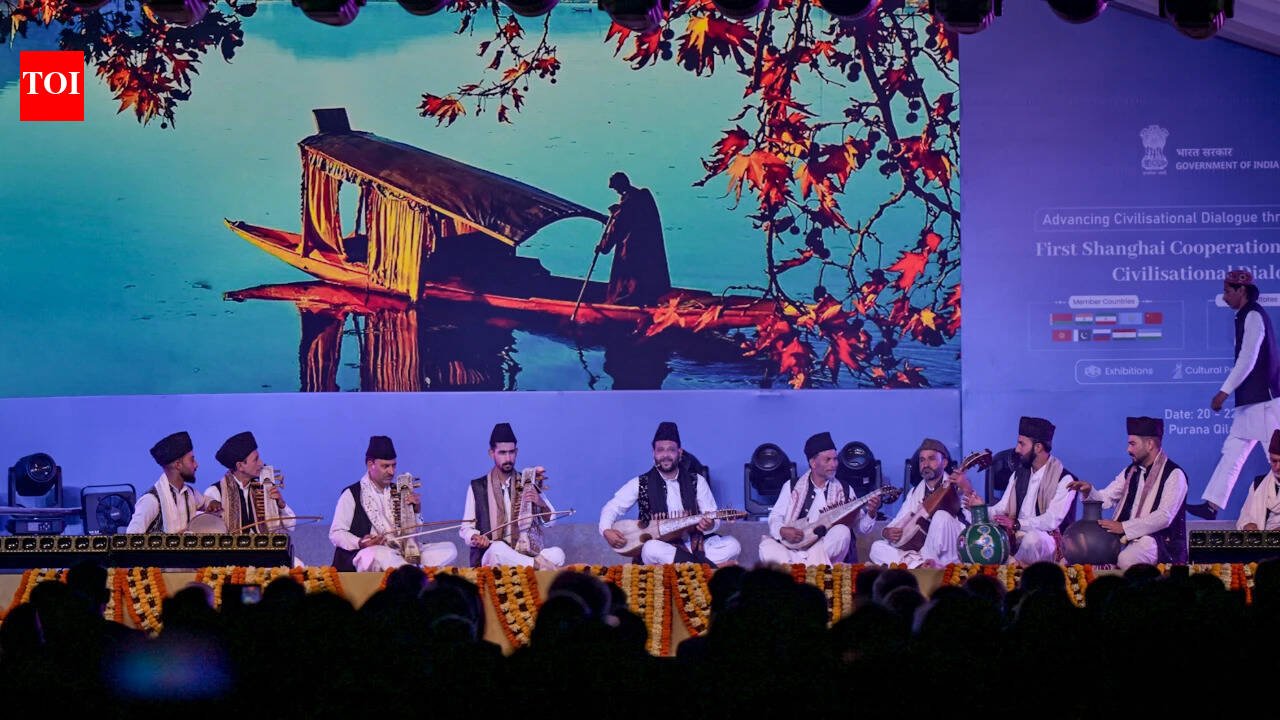
NEW DELHI: The first Shanghai Cooperation Organisation Civilisational Dialogue Forum hosted by India at the historic Purana Qila concluded on Sunday with the “Indraprastha Communique” — an outcome document with affirmations ranging from protecting heritage from threats and exploring joint nominations for UNESCO heritage tag to constructively using Artificial Intelligence and creating a digital repository of manuscripts and records of cultural histories.The communique affirmed respect for every civilisation as an “equal voice”, and acknowledged its identity and contribution to humanity. Reading out the communique at the closing session of the meet on Sunday evening, culture secretary Vivek Aggarwal said that India has proposed that the SCO Civilisational Dialogue be held once every two years at a place to be decided by the SCO member states.The three-day meet inaugurated by Prime Minister Narendra Modi on Friday saw the participation of 116 delegates from 22 countries, including Pakistan’s federal minister Musadik Malik. PM Modi had proposed the SCO Civilisational Dialogue Forum at the 25th SCO Summit in Tianjin, China, in 2025 and the idea was welcomed and endorsed subsequently enabling India to host the first Forum in Delhi from Nov 20 to 22.The venue, Purana Qila, took centre stage at the event as India showcased the site’s multi-layered history and its identity as the ancient city of Indraprastha mentioned in the epic ‘Mahabharata’. The name of the communique reaffirmed that message, which was reiterated by India through the layers of excavations and exhibits displayed at Purana Qila during the meet, presenting thousands of years of history.The communique called for celebrating “diversity as a strength” and recognised culture as a “vital bridge for friendship, good neighbourliness among nations”.The outcome document also highlighted the need to evolve an SCO mechanism for collaborative projects and exhibitions and a platform for collaboration between cultural institutions of SCO countries. To protect heritage from various kinds of threats, it called for exploring the creation of a platform for resilience against climatic tragedies.It further called for honouring spiritual and philosophical traditions, and places of learning and pilgrimage, and encouraging respectful dialogue with due regard for diversity of beliefs and practices.Asked if any formal bilateral talks were held between India and Pakistan on the sidelines of the event, Aggarwal answered in the negative, but said that just as with other member countries, the Indian side had interactions with Pakistan’s representative during the course of the event.On Sunday evening, Musadik visited the Mahabharata Pavillion displaying the rare 18th century Mahabharata scroll. He called it “very impressive”, appreciated its artistic and religious value, and lauded the commitment of the artist for the delicate and intricate work on the scroll.He reiterated the affirmation made in the Indraprastha Communique of working with SCO members to create a digital repository of manuscripts from the region and said that Pakistan would be keen to explore showcasing knowledge about many artefacts, including those excavated from Mohenjo-Daro, once a framework is developed for the same.He expressed optimism that cross-border visits and regional relationships would improve ahead of Pakistan’s hosting the next SCO Council of Heads of State summit in Islamabad in August 2027.The first SCO Civilisational Dialogue Forum in India was organised jointly by the ministry of culture, and the ministry of external affairs with the Indira Gandhi National Centre for the Arts (IGNCA) serving as the knowledge partner.On Saturday, the thematic session “Civilisational and Cultural Expressions” saw ministers and representatives of participating countries present their perspectives on their cultural traditions, historical experiences and areas of common interest. The exchanges brought into focus the importance of safeguarding tangible and intangible heritage, strengthening institutional linkages, encouraging interaction among scholars and artists, and advancing joint research and documentation.A dedicated session organised by the Archaeological Survey of India, titled “A Shared Cultural Canvas – Artistic and Architectural Exchanges Among SCO Nations”, examined the many historical encounters that have shaped the region’s artistic and architectural landscape. According to details shared by culture ministry and IGNCA discussions traversed prehistoric and Bronze Age linkages, Buddhist art and architecture, Silk Route exchanges, Indo-Persian influences and maritime connections, while also considering collaborative approaches to heritage conservation and digital documentation.
Share your thoughts in the comments
Be respectful · TOI community guidelines
On Sunday deliberations centred on two themes: “Language, Literature, Script and Manuscript Traditions” and “Monastic Trails – Religious and Philosophical Traditions”. The first session explored approaches to preserving languages, scripts, manuscripts and literary heritage, as well as the transmission of knowledge across generations and geographical boundaries. The second examined the journeys of faith and philosophy and the historical relationships linking religious institutions, centres of learning and communities across the SCO region.