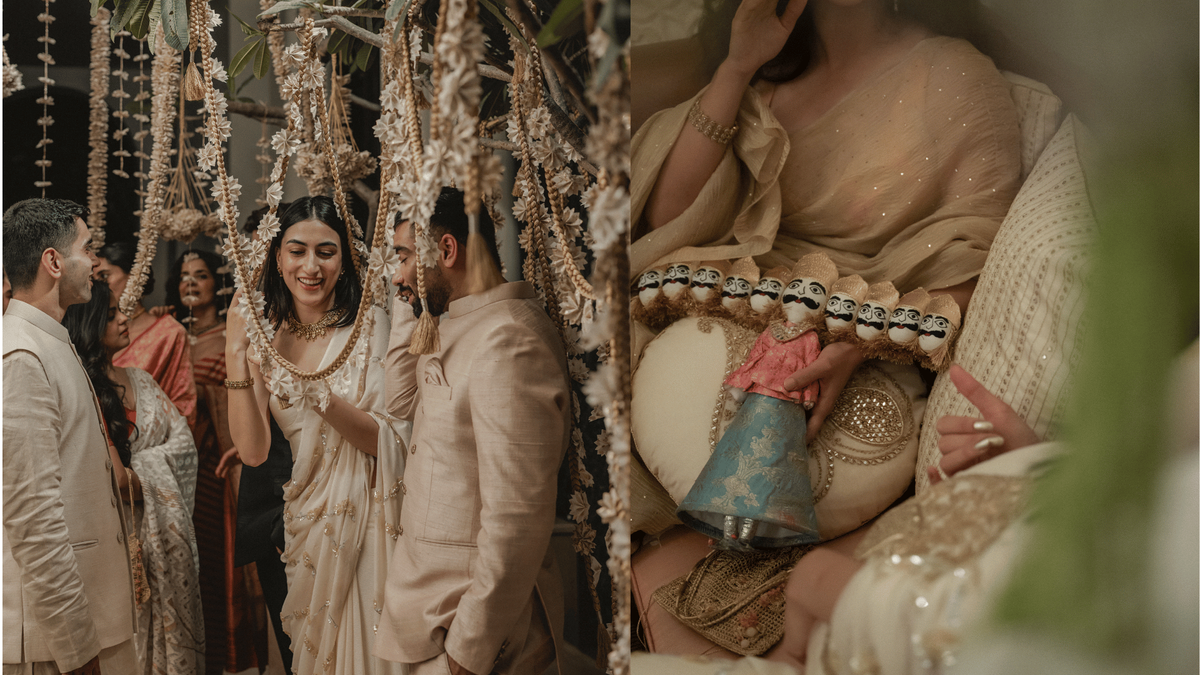




After more than a decade of creating big fat celebrations and extraordinary events, Rani Pink is extending its creative world into retail with the launch of its website, Shop Rani Pink. Moving beyond weddings and events, this new venture explores what lies at the heart of Indian life: gatherings.
Its first collection, Diwali in Delhi, 1996, draws inspiration from the traditions, objects and everyday rituals that have shaped festive celebrations across generations. There is a particular kind of nostalgia attached to an old Delhi Diwali: the toran at the entrance, mithai boxes arranged before guests arrive, the table set for a long evening of cards and conversation, and the little potli carried along with a festive outfit. These details may seem familiar, but together, they create the atmosphere of a celebration that stays with us long after the diyas have been put away.

Rather than treating Diwali as a single evening to dress up for, the collection looks at the many ways we prepare for it, from decorating our homes and choosing gifts to finding those finishing touches that make an occasion feel personal.
The nostalgia here is rooted in the details. Think old-fashioned festive embellishments, sweets presented in keepsake-worthy boxes and accessories that recall a time when even the smallest elements of getting ready had their own significance. Through a mix of decorative pieces, gifting essentials and traditional evening bags, Rani Pink brings this sensibility into a collection that feels connected to the past without being confined to it.
Before the guests arrive, there is the house to prepare. The entrance is dressed, the table is arranged, and familiar corners take on a festive character. Rani Pink’s Decorations collection draws on this anticipation, with pieces that bring texture and visual interest to the home.

The Raat Ki Rani toran is a natural expression of this idea, reimagining a familiar festive decoration as a statement piece for the entrance. Elsewhere, the collection includes the Raat Ki Rani hanging accents, the Jhilmil table cover and coordinating napkins, bringing the celebration from the doorway to the dining table. These are details that help establish the mood of a gathering, whether the occasion calls for a full house or an intimate evening with family.
The appeal lies in how these pieces work within the rituals of hosting. Decorations are not merely the backdrop to a celebration; they are part of the way we welcome people into our homes and make an occasion feel different from an ordinary day.
Few things are as closely associated with Diwali as the exchange of sweets. But before the mithai is shared, there is the pleasure of presenting it well. The box, the colours and the little details of its design all contribute to the experience of giving.

Rani Pink approaches festive gifting with this thought in mind. Its collection includes the Raat Ki Rani square and oval sweets boxes, alongside the Tara Sitara boxes in powder pink and pista green, detailed with embossed silver dots and delicate gold Mughal stars. Designed for Indian sweets, these boxes bring a decorative touch to a familiar festive gesture.
The collection also extends into pieces for entertaining and bringing people together, including the Surprise Dish and the Ladies Card Set. They reflect the social side of Diwali, when a gathering might move from the dining table to a game of cards, with conversation continuing well into the night.
What makes this category interesting is its attention to the experience around the gift. The sweets may be enjoyed that evening, but a thoughtfully designed box can have a life beyond its original purpose, becoming something to keep rather than discard. It is a small but meaningful shift in how festive gifting is approached.
Festive dressing has its own vocabulary, and few accessories feel as closely tied to Indian occasionwear as the potli. Small, distinctive and often embellished, it has long been a familiar companion to celebrations, from family festivities to weddings. In Diwali in Delhi, 1996, Rani Pink gives this traditional accessory a place of its own.

The Neena potli is hand-crocheted in zari and scattered with delicate crochet flowers, finished with jewel beads. Its design draws on the memory of tiny crocheted potlis from years past, bringing together traditional detailing and the charm of a keepsake accessory.
Ambika takes a slightly different approach. Crafted in gold zari crochet, the small evening bag comes with an attached lipstick case, a thoughtful detail that makes it feel especially suited to a dressed-up evening. Both pieces lean into the appeal of accessories that are more than purely functional, offering a sense of occasion through their craftsmanship and considered design.
Rather than treating Dressing & Beauty as a broad festive fashion category, these pieces bring the focus back to the accessories that complete an outfit. They are the kind of bags that can accompany a traditional ensemble without competing with it, adding a finishing touch that feels rooted in familiar Indian dressing rituals.
Across its 20 objects, Diwali in Delhi, 1996 brings together the different elements that make a celebration feel complete. There is décor for the home, gifting that gives familiar traditions a more considered presentation, and potlis that revisit a much-loved accessory through hand-crocheted detailing and traditional materials.

With prices ranging from ₹550 to approximately ₹50,000, the collection offers pieces for different parts of the festive season, from the sweets we carry to a host to the decorations that return to our homes each year.
For Rani Pink, the appeal of Diwali in Delhi, 1996 lies in revisiting the objects and rituals that give celebrations their character. It is a collection that looks back at a familiar kind of Diwali while making room for new traditions, whether that means setting the table differently, choosing a more thoughtful gift or carrying a potli that feels like a little piece of the past.
Because sometimes, the details that make a celebration memorable are the ones we choose to bring back, year after year.
Rani Pink’s Diwali in Delhi, 1996 collection is now available to shop here.