


 rahulNovember 9, 20261 Mins read0
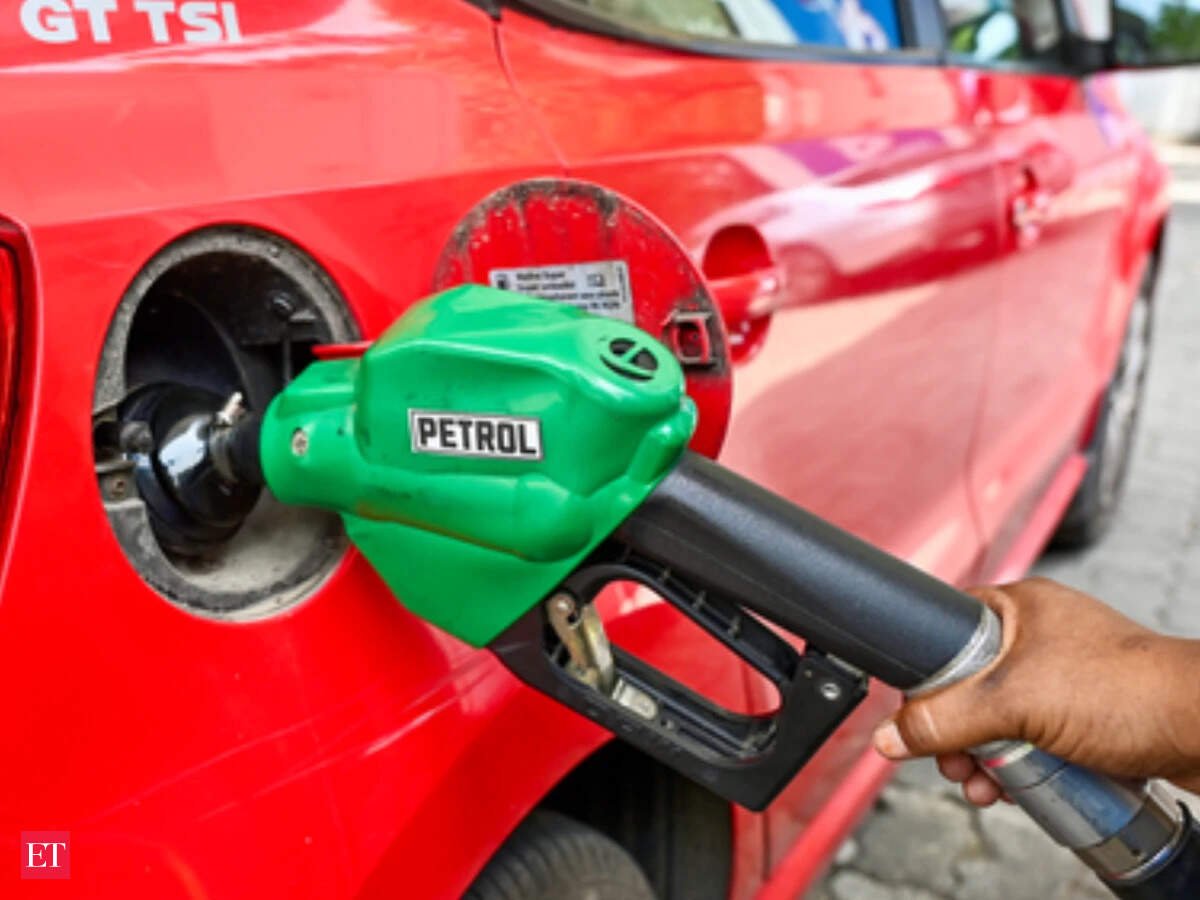
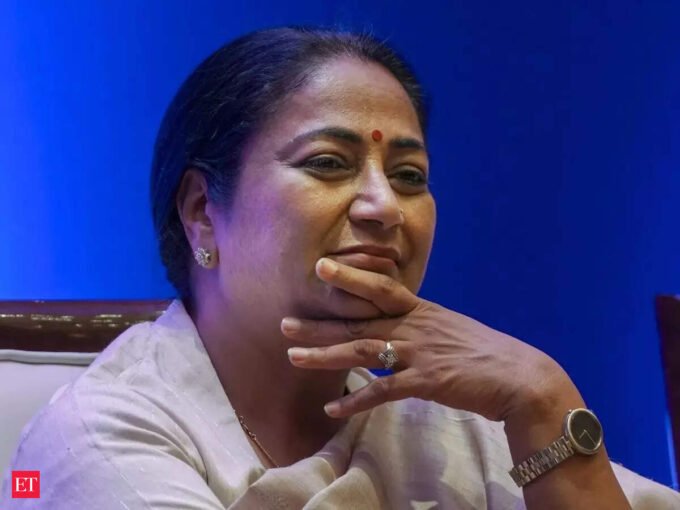
Food and Civil Supplies Minister Rizwan Arshad rejected oil marketing companies’ (OMCs) assertion that ethanol levels remain within prescribed norms, saying the state would continue to push for transparency and consumer protection.
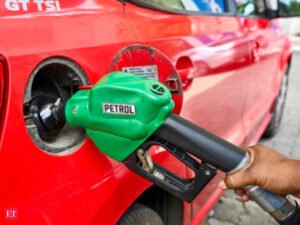
Last week the minister released test results from petrol samples collected across seven districts, claiming ethanol content ranged from over 20% to as high as 31.2%. Arshad said the findings contradict the Centre’s E20 fuel policy and could potentially affect vehicle engines.
Read more: E20 petrol supplied by PSU oil firms meets prescribed quality standards: Oil Min
“We stand by our report. Consumers deserve to know exactly what they are paying for,” the minister said, adding that Karnataka followed the prescribed legal process while collecting and testing samples.
The samples were examined at NABL-accredited and ISO-certified laboratories after OMC laboratories did not disclose ethanol percentage details in an earlier round of testing, he said, insisting that independent verification was essential as ethanol blending was carried out at refinery and terminal levels.
Arshad also dismissed OMC allegations that Karnataka’s sampling methodology deviated from prescribed procedures, maintaining that all collections were documented and conducted in accordance with regulatory norms. He accused oil companies of failing to provide a technical explanation for the discrepancies.Read more: Karnataka to release report on alleged excess ethanol in petrol on Monday; OMCs seek joint testing
Indian Oil Corporation (IOC), Bharat Petroleum (BPCL) and Hindustan Petroleum (HPCL) have, however, denied the allegations. They questioned the sampling exercise, claiming it was conducted without the presence of OMC representatives.
The Ministry of Petroleum and Natural Gas has also rejected Karnataka’s claims, stating that all 893 E20 petrol samples collected from public sector OMCs across 27 states and Union Territories met prescribed quality standards.
Kerala Food and Civil Supplies Minister Anoop Jacob said officials had begun collecting fuel samples following prescribed protocols and would send them to government-owned laboratories for testing.
In Bengaluru, Congress workers staged protests against alleged excessive ethanol blending, while Opposition leader in the Legislative Council Chalavadi Narayanaswamy suggested the issue could stem from adulteration during transportation rather than at refinery level.