


 rahulNovember 17, 20262 Mins read0
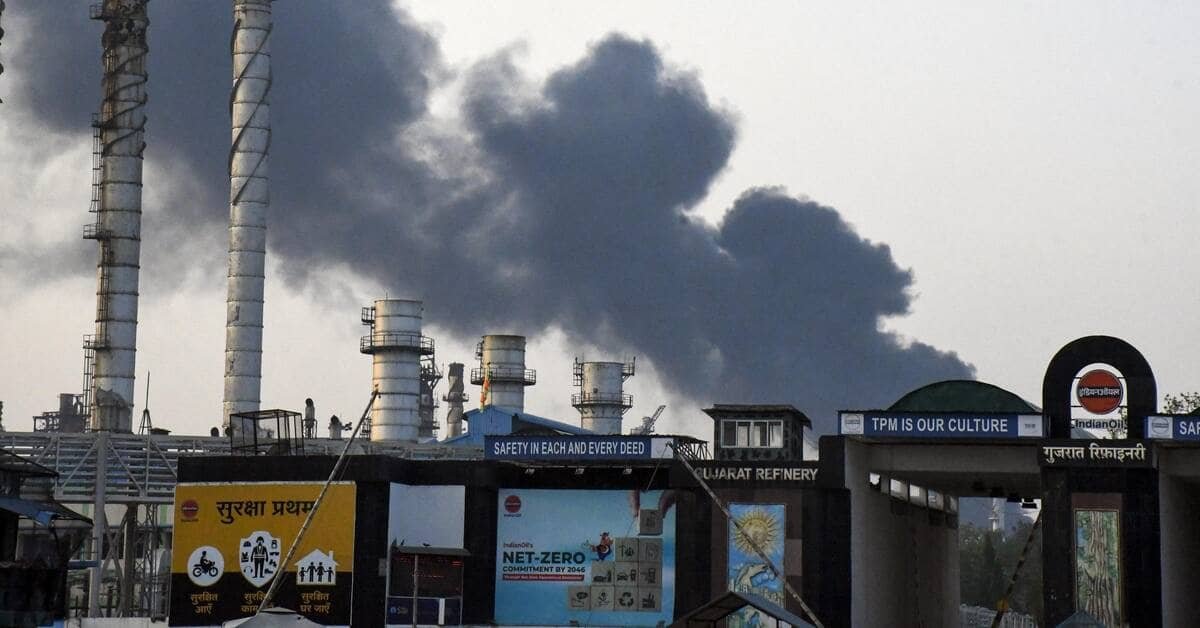
State-owned Indian Oil Corporation (IOC) has secured government approvals to commercially supply sustainable aviation fuel (SAF) from its Panipat refinery in north India, with the facility capable of producing enough fuel to meet the country’s 1 per cent blending target for international flights in 2027, Chairman A S Sahney said on Tuesday.
The state-run refiner plans to enter into supply agreements with airlines before committing investments to additional SAF projects, Sahney said at an industry event, signalling a demand-led approach to expanding production capacity as India prepares to introduce low-carbon fuel requirements for international aviation.
IOC’s Panipat facility is positioned to meet the initial blending mandate, Sahney said, although he did not specify the volume of fuel covered by the government approvals or when commercial supplies would begin.
In August, an IOC executive had said the company expected to begin operations at its first SAF plant at Panipat within two months and was looking to take an investment decision on a second facility within five to six months.
The refinery, which has a crude processing capacity of about 301,000 barrels per day, received India’s first International Sustainability and Carbon Certification (ISCC) CORSIA certification for SAF production in 2025, enabling it to produce fuel meeting internationally-recognised sustainability requirements for aviation.
IOC has planned to produce about 35,000 tonnes of SAF annually from used cooking oil at the facility, sourcing feedstock from large hotel and restaurant chains. The company has also signed a Memorandum of Understanding with Air India for SAF supplies, although the agreement did not specify a commencement date or volumes.
The Panipat project forms part of India’s broader effort to introduce sustainable fuels into aviation, a sector seeking to reduce its carbon footprint while accommodating growing air travel demand.
India is targeting a 1 per cent SAF blending requirement in fuel supplied for international flights from 2027, rising to 2 per cent in 2028. The targets are aligned with the global push to reduce aviation emissions under the International Civil Aviation Organization’s Carbon Offsetting and Reduction Scheme for International Aviation (CORSIA).
SAF can be produced from non-petroleum feedstocks such as used cooking oil and agricultural waste and can be blended with conventional jet fuel. It offers airlines a way to lower lifecycle carbon emissions without requiring wholesale changes to existing aircraft or airport fuelling infrastructure.
IOC is also developing a separate SAF production facility using alcohol-to-jet (ATJ) technology, with planned annual capacity of 86,800 tonnes. The project, being developed with US-based LanzaJet, will use ethanol as feedstock and is targeted for completion by March 2028.
The expansion would diversify IOC’s SAF production beyond used cooking oil and add capacity as blending requirements increase. However, the availability and cost of sustainable feedstocks, alongside long-term purchase commitments from airlines, will be important factors in determining the pace of investment and commercial adoption.
IOC’s Panipat refinery is also undergoing an expansion to increase its conventional oil-product processing capacity by 200,000 barrels per day by 2027.