


Electoral Officer Sanjay Kumar Srivastava, who conducted the Indian Olympic Association’s (IOA) Sportspersons of Merit (SOMs) elections, has broken his silence on allegations of Model Code of Conduct violations by candidates during the controversy-marred exercise, saying that he was not authorised to punish any breach of rules but did respond to grievances by issuing advisories.
Mr. Srivastava, a former State Election Commissioner of Delhi, said he could not also have delayed the SOM elections after he got complaints on the night before the election day.

“The thing is that, I have no power to take punitive action (against alleged rule violations). I cannot disqualify anybody, I cannot cancel elections. I have no power to do that. I can only ask them (SOMs) to refrain from violating the Model Code of Conduct, which I did promptly,” he told PTI.
“Moreover, I would not have delayed the elections under the circumstances (complaints came just hours before elections). My job is to conduct free and fair elections.”
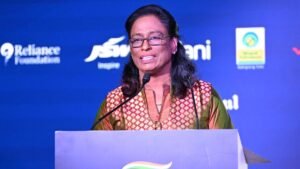
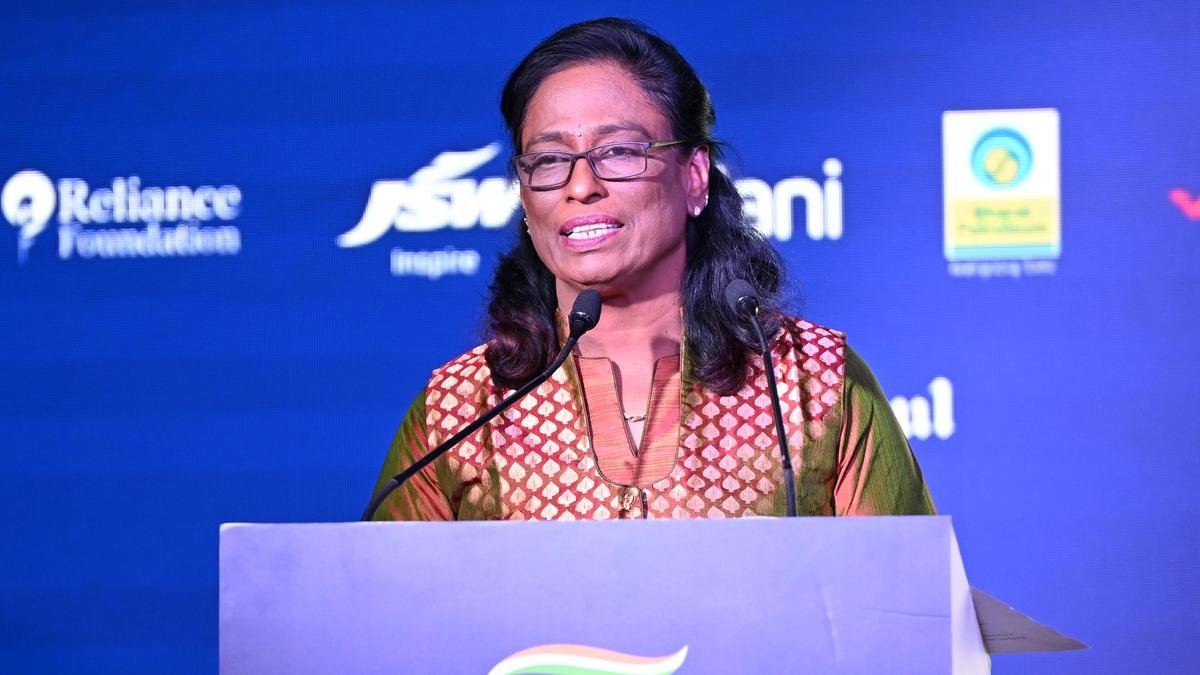
Eighty former athletes cast their votes online to pick four female SOMs on Monday (November 9, 2026). IOA President P. T. Usha failed to get elected as she finished fifth in the number of votes received by the six candidates. Four male SOMs were already declared elected unopposed on November 7.
Ms. Usha lodged a complaint to Mr. Srivastava, alleging that former archer Dola Banerjee violated the Model Code of Conduct by circulating a WhatsApp message soliciting votes.
Commonwealth Games gold-winning weightlifter Sathish Sivalingam also lodged a complaint to Mr. Srivastava that “an organised effort is underway to influence members of the Electoral Roll in favour of a contesting candidate who is also the President of the Indian Olympic Association”.
Mr. Srivastava, a retired 1980-batch IAS officer, said any action for alleged violation of rules could have been taken only after the elections and that too by other authorities like the Ethics Committee of the IOA.
“My duty is to get the conduct rule circulated and ensure that it is followed. If it is not followed, action will be taken later. I can take notice of the violations and report them.
“There is the machinery for that (for taking action). They (aggrieved parties) can go to the Ethics Committee or other appellate authorities.”

He said he acted immediately after the complaints were received in the late hours of November 8, even though it was Diwali.
“After I received the complaints, I called my staff and took prompt action. I sent out mails to all the 80 SOMs, including the complainants, to refrain from doing anything not allowed by the Model Code of Conduct,” Mr. Srivastava said.
“It was the Diwali night, and voting was to start next day morning at 9 a.m. On the day of the elections, they lodged another complaint wherein they (the complainants) quoted the actions taken by me on November 8. So, how can they say that I have not acted?” he asked.
He said any aggrieved party can approach “appropriate forums” to address their grievances, and he will submit records or documents if he is asked to.
Mr. Srivastava said he dealt with the complaints in a fair manner and was not swayed by any external influence.
“An electoral officer should be a neutral person, and I am a neutral person. I am not going to be influenced by anybody or anything. I cannot allow my reputation to be tarnished. I believe I have conducted a free and fair election as far as the SOM elections are concerned,” Mr. Srivastava said.
He said he has all the details of voting by the SOMs, the IP addresses of their phones, the locations from where they voted, and will submit to appropriate authorities if asked.
“The 80 SOMs voted from around 20 places, from foreign countries, from Manipur, while inside trains. I wrote to all the SOMs that their IP address will be checked. They were told not to do proxy voting and not to take a photo (screenshot after voting).
“There was so much precaution. Nobody could vote from another person’s phone. First, the photo will be identified, then the OTP will be sent. Then you can vote.”
Published – November 12, 2026 07:28 pm IST