


 rahulNovember 24, 20262 Mins read1
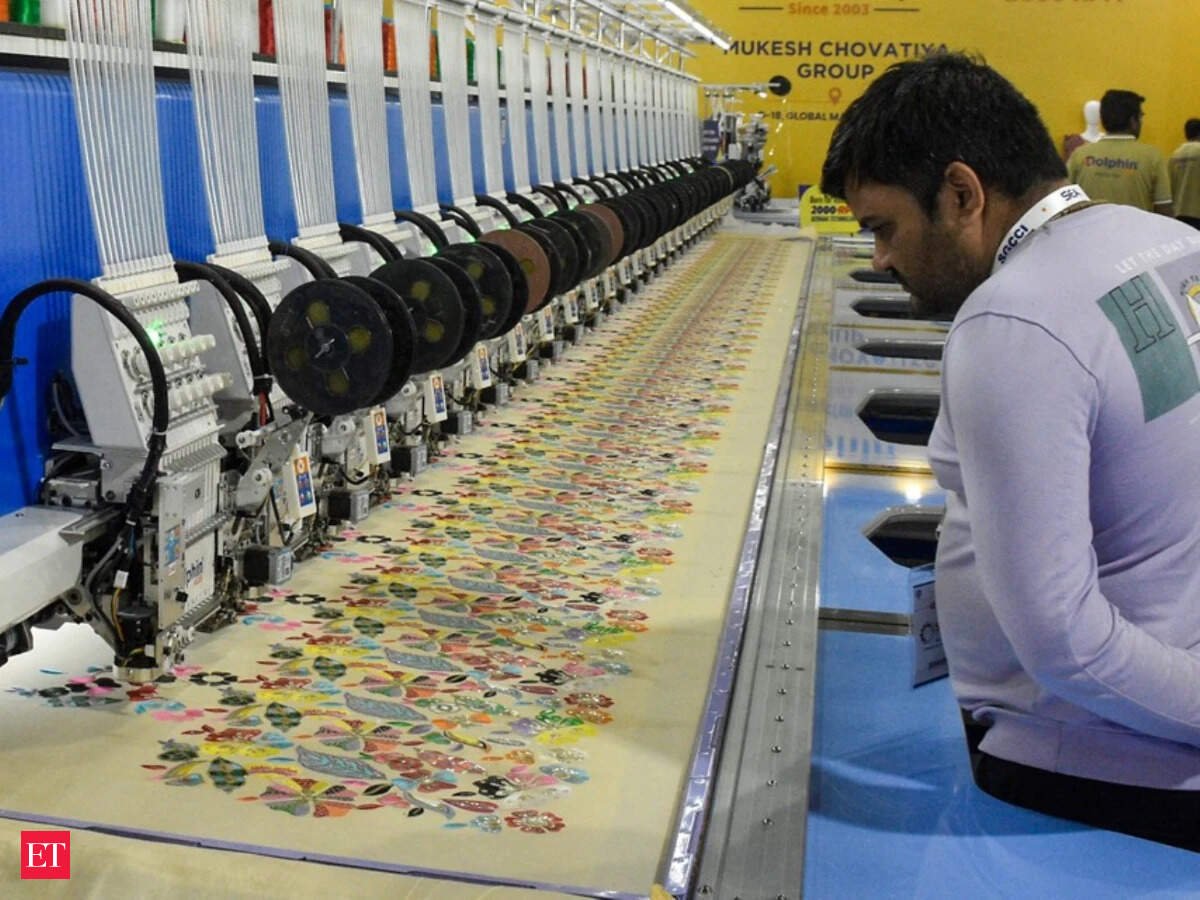
The report said changes in US tariffs and FTAs have improved India’s competitiveness, bringing it at par with Bangladesh and other Asian peers while retaining an advantage over China and Vietnam.
This could support India’s efforts to attract more international orders as global buyers look to diversify their sourcing destinations.
It said, “India’s relatively competitive sourcing position and the implementation of the India-UK FTA providing a potential boost to order flows”.
India’s trade agreements are also expected to strengthen its position in key export markets. The India-UK Comprehensive Economic and Trade Agreement (CETA), implemented on July 15, 2026, provides duty-free access to Indian garments and home textiles, potentially supporting orders from the UK.
The proposed India-EU FTA, expected in early 2027, could remove India’s approximately 12 per cent duty disadvantage against least-developed countries (LDCs), further improving the competitiveness of Indian textile exporters.
The report expects the benefits of these trade agreements to become more visible from FY28 as global buyers realign their sourcing strategies. The report also noted that order books for several Indian apparel manufacturers are looking encouraging for Q3FY27.Supply-chain challenges in competing manufacturing destinations are creating additional opportunities for India. Labour disruptions and proposed wage revisions in Bangladesh, along with higher manufacturing costs due to inflation in Turkey, are encouraging global brands to diversify sourcing towards India, Egypt and Morocco.
It stated, “Meanwhile, labour disruptions and wage revisions in Bangladesh and a proposed minimum wage increase in Bangladesh… along with high inflation in Turkey, are encouraging global brands to diversify sourcing towards India and other manufacturing destinations”.
The report said multi-country sourcing strategies are gaining traction as international brands increasingly prioritise supply-chain resilience.
India is also benefiting from changing demand patterns in China. Higher domestic cotton prices in China, at around USD 1.00 per pound, and restrictions on Xinjiang cotton have made local yarn production less competitive.
This has supported Indian yarn exports to China, which are estimated at around 20-25 million kg per month as Chinese manufacturers increasingly source from India.
The report said capacity expansion, higher vertical integration and a shift towards value-added products are expected to support growth, although elevated raw material costs and the pace of margin recovery remain key factors to watch.