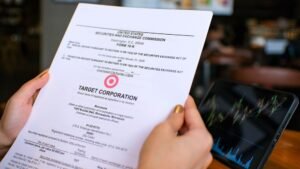



The Federal Trade Commission has ordered Walmart and Target to turn over information about their pricing practices, seeking to determine whether personal data helps set what individual shoppers pay.
The retailers are among nine companies named in the agency’s Oct. 28 inquiry, alongside Delta, United, JetBlue, Uber, Lyft, DoorDash and Instacart. The study also examines whether companies use workers’ personal information to determine their compensation.
The inquiry draws a distinction between prices that change with market conditions and prices tailored to particular people. Dynamic pricing can respond to supply, demand or competitors’ prices; airline fares and ride-hailing surge charges are familiar examples. Personalized pricing uses information about a shopper to help determine the price that person is offered, including estimates of how much they would be willing to spend.
“Consumers deserve to know whether companies use their web surfing habits or other personal data to estimate the highest price they can charge each consumer,” FTC Chairman Andrew Ferguson said in a statement.
Approved in a 2-0 vote, the orders were issued under Section 6(b) of the FTC Act—what allows the agency to conduct market studies without a specific law enforcement purpose. To note, issuance alone does not establish that any recipient violated the law.
The agency’s 15-page order seeks details on the data, software and methods companies use to set prices, including how they divide customers into groups and when they override a pricing decision. Most requests cover practices dating to Jan. 1, 2023, while a request for research and tests reaches back to 2021.
Its definition of pricing includes coupons, discounts and promotions as well as posted prices. Personal information includes browsing and purchase histories, location, income and information inferred from other data.
If a competitor cuts a price, an Amazon seller can have the company’s Automate Pricing tool match it automatically. The tool can also mark down items that aren’t selling. Sellers choose which products to include and set a minimum price.
Walmart said in March that roughly 2,300 U.S. stores were using digital shelf labels, with a chainwide rollout expected within the following year. The labels allow employees to manage approved price changes through a centralized system.
The retailer has said those labels do not independently set prices. In an Oct. 1 statement, Walmart said employees review approved changes, which are typically made outside shopping hours. It also said it does not use customers’ personal information to determine the prices individuals see or pay online or in stores.
Target has made a similar distinction between personalized promotions and price increases. In an Oct. 15 fact sheet, the retailer said it does not use personal information to raise an item’s price or adjust prices based on the time of day or high demand. Its Target Circle loyalty program can use shopping history to show members relevant deals, the company said.
Instacart ended a different kind of pricing practice in December 2025: tests that had allowed some retail partners to offer different prices for the same item at the same store. The company said the tests were randomized and did not use personal data, demographics or individual shopping behavior. It said retailers would no longer be able to use its Eversight technology to run those tests on the platform.
The FTC first sought records from pricing vendors in 2024. In findings published the following January, staff said the providers they reviewed served at least 250 clients, including grocery and apparel retailers. Their tools could use shoppers’ data to vary prices, target discounts or influence which products they saw. The agency used hypothetical examples in its published findings to protect confidential information.
The orders also ask how personal data affects which jobs workers are offered, what they are paid and how customer payments are split between workers and the company. The order excludes employees paid a fixed salary or hourly employees working a fixed schedule from its definition of workers.
The agency also wants companies to explain what they tell customers and workers about those practices, including the wording and location of disclosures.
In August, the FTC sought public comment on a proposed enforcement policy statement addressing personalized pricing. The agency said undisclosed collection or use of personal information to personalize prices could violate the FTC Act’s prohibition on unfair or deceptive practices.
New York already requires covered businesses using personal data to set individualized algorithmic prices to display a notice: “This price was set by an algorithm using your personal data.” The law took effect Nov. 10, 2025. The National Retail Federation’s challenge to the requirement is pending before the U.S. Court of Appeals for the Second Circuit.
The nine companies have 45 days from receipt of the orders to respond. The FTC can seek a federal court order to compel compliance.