


 rahulNovember 6, 20261 Mins read0
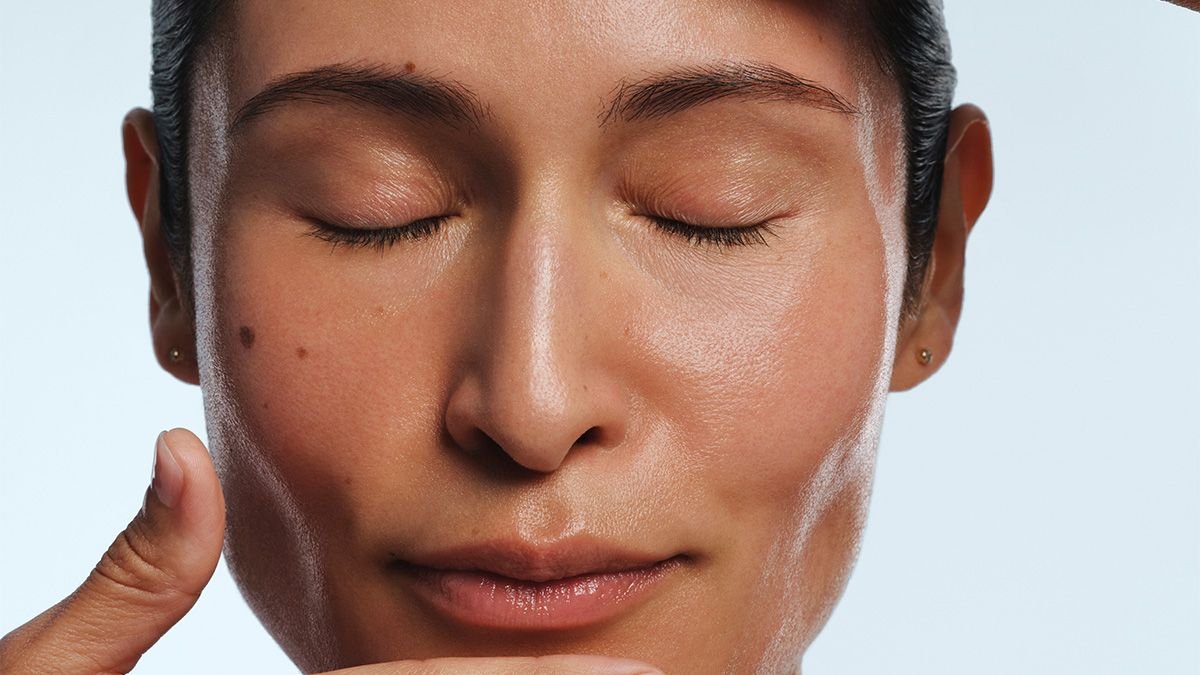
After joining a call with Vogue Business, ahead of Elf Beauty’s Q2 earnings, it’s not long before CEO Tarang Amin mentions that this quarter marks the company’s 31st consecutive quarter of net sales growth.
For Q2 2027, net sales rose 51% to $520.8 million, bolstered by retailer and e-commerce channels across the US and the globe. Gross margin grew 160 basis points to 71%, and adjusted EBITDA reached $123.4 million, up 86% year on year. The company, which comprises Elf, Rhode, Naturium and Well People, also updated its guidance for fiscal 2027, predicting net sales of $2 billion, up from $1.9 billion. While the company did not share a financial breakdown by brand, Amin tells Vogue Business that every brand grew. “It was a phenomenal quarter for us,” he says.
Amin assumed his role in 2014, and since 2020, Elf Beauty has acquired Well People, Naturium, and most recently, Rhode (for $1 billion) in a bullish M&A sweep. During the summer, the Elf brand expanded into haircare, launching Elf Hair with a suite of products including a moisturizing shampoo and conditioner, an anti-frizz styling spray, and treatment oil. (Elf’s own brands also include Elf Cosmetics and Elf Skin.)
Amin’s moves could reap a return on investment. According to Euromonitor, the global haircare category is forecast to grow 24% by 2030, reaching £129 billion, while outpacing the growth of established beauty verticals like makeup and fragrance (both in the double digits).
Despite geopolitical uncertainty and inflation softening consumer sentiment, US shoppers are still buying beauty, especially online. This is a win for Elf, as a US-based “masstige” (mass but prestige-positioned) company that took on TikTok Shop before most competitors, and has captured millennial, Gen Z and Gen Alpha shoppers with its affordability, a key concern for shoppers in the US, as we saw with the “blue tsunami” mid-term results this week.