



For the first time since 1972, there is no treaty formally restricting the world’s largest nuclear arsenals. New START (New Strategic Arms Reduction Treaty) expired in February, and nine months later, a successor treaty is still far from being drafted. Russia had offered to keep observing New START’s limits for a year if the United States did the same. Instead, the U.S. has pushed for an “improved” agreement, insisting that any nuclear treaty must involve China, which understandably has its own reservations.
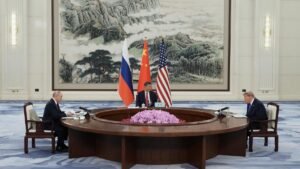
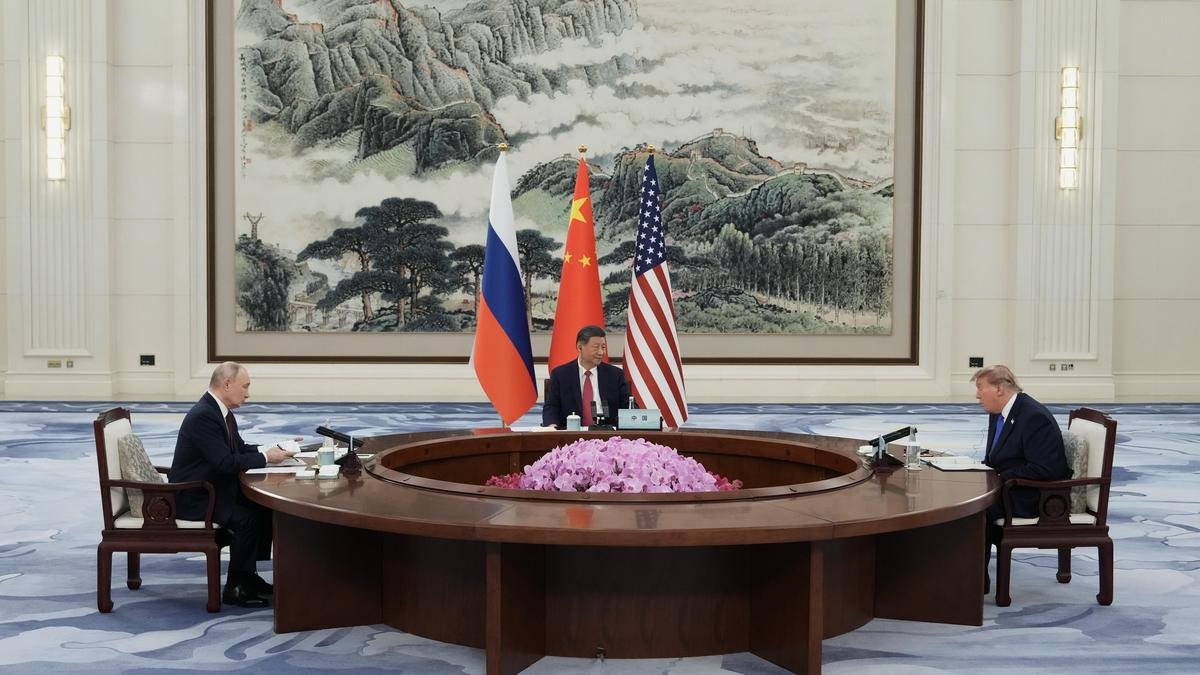
On November 19, the leaders of the three countries met for the first time on the sidelines of the Asia-Pacific Economic Cooperation summit in Shenzhen. They issued a joint declaration reaffirming that a nuclear war must never be fought. They also pledged subsequent talks on reducing nuclear risks and preventing proliferation. However, there are no provisions for the verification of compliance with these commitments, and no date seems to have been fixed for further talks. Despite Shenzhen, the underlying tension between the three countries’ positions remains. Each country’s position makes sense from where it sits, but at a time fraught with conflict, further complicated by emerging technologies, this treaty-less scenario cannot continue indefinitely.
Published – November 24, 2026 12:08 am IST