

 rahulNovember 28, 20263 Mins read5
If the transactions are carried out across both metro and non-metro centres, the total free transactions will be five.
Important ATM withdrawal rules and changes that customers must be aware of:
ATM withdrawal rules: Key limits at a glance
| Particulars | RBI-prescribed limit |
| Free transactions at own bank ATMs | 5 per month |
| Free transactions at other bank ATMs in metro centres | 3 per month |
| Free transactions at other bank ATMs in non-metro centres | 5 per month |
| Maximum free transactions at other bank ATMs across metro and non-metro centres | 5 per month |
| Cash withdrawal limit at other bank ATMs | Rs 10,000 per transaction |
| Maximum charge beyond free ATM transactions | Rs 23 per transaction plus applicable taxes |
The RBI directions say that banks can, at their discretion, offer a higher number of free transactions per month to customers, over and above the minimum prescribed limits
Banks are also free to decide on the combination (for metro and non-metro centres) of free transactions while adhering to the minimum requirements.
According to RBI definition, metros include Mumbai, New Delhi, Chennai, Kolkata, Bengaluru and Hyderabad. The others would then be called non-metro centres.
Apart from the bank’s own ATMs, the RBI has capped cash withdrawal limit at Rs 10,000 per transaction.
Hence, customers must take note of this limit when withdrawing cash from other banks’ ATMs.
ATM charges limited to Rs 23 per transaction
Banks can charge customers for ATM transactions above the limit for free transactions.
However, the charges should not exceed Rs 23 per transaction plus taxes.
These charges should be as per the board-approved policy of banks.
The RBI has also directed the banks to have a system of caution/advice/alert to the customers for the number of free transactions already availed in a month and the charges to be levied on future transactions.
The RBI directions say that if a failed ATM transaction is due to a technical or other error directly or only attributable to a bank or service provider, then the customer will not be charged for the failed transaction.
These are:
The RBI directions also say that banks should disclose the metro or non-metro location of an ATM. This information shoud be displayed on a poster or at the ATM on a screen message, sticker, etc, as per the directions.
Banks should also ensure that the identifier of ATM locations in their database/tables is correct and updated to avoid disputes.
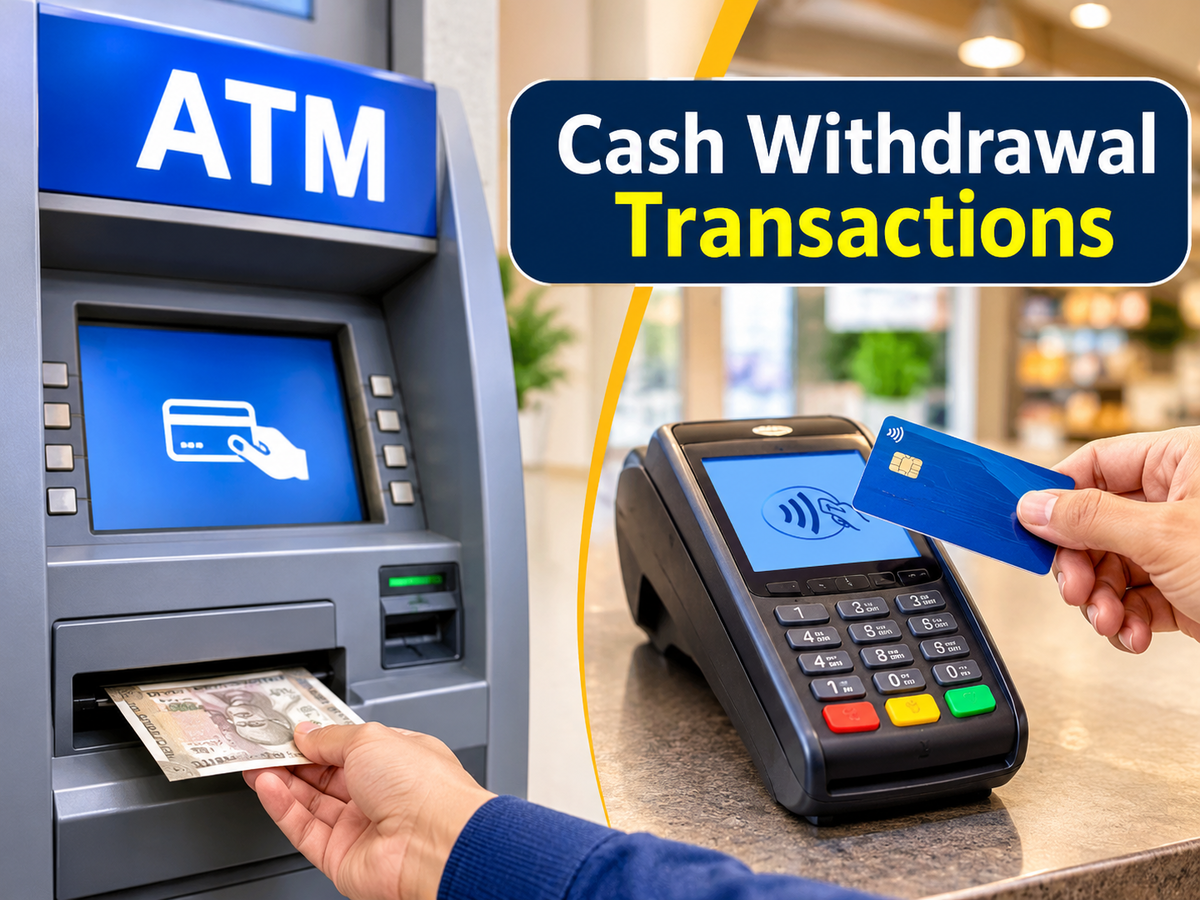
Customers can withdraw cash through Point of Sale (PoS) terminals using debit cards, full-KYC prepaid payment instruments issued by banks and non-bank issuers in India, and the Unified Payments Interface (UPI).
The RBI has prescribed the following limits:
The cash withdrawal facility must be available at merchant establishments after due diligence. Merchants must clearly display the availability of the facility and applicable charges, if any.
Customers can withdraw cash through PoS terminals even without making a purchase. If cash withdrawal is made along with a purchase, the receipt must separately show the amount withdrawn.