


 rahulNovember 22, 20262 Mins read1
In its report released on November 19, the CBO estimated that the Navy’s 30-year shipbuilding programme, covering 2027 to 2056, would require an average annual expenditure of $53.8 billion. This is around 18% higher than the Navy’s estimate of $45.7 billion a year. The projected spending is also 41% above the average annual amount appropriated for shipbuilding over the previous five years.
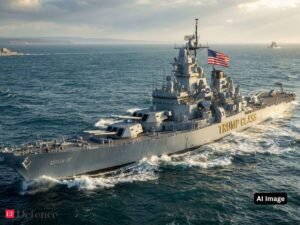
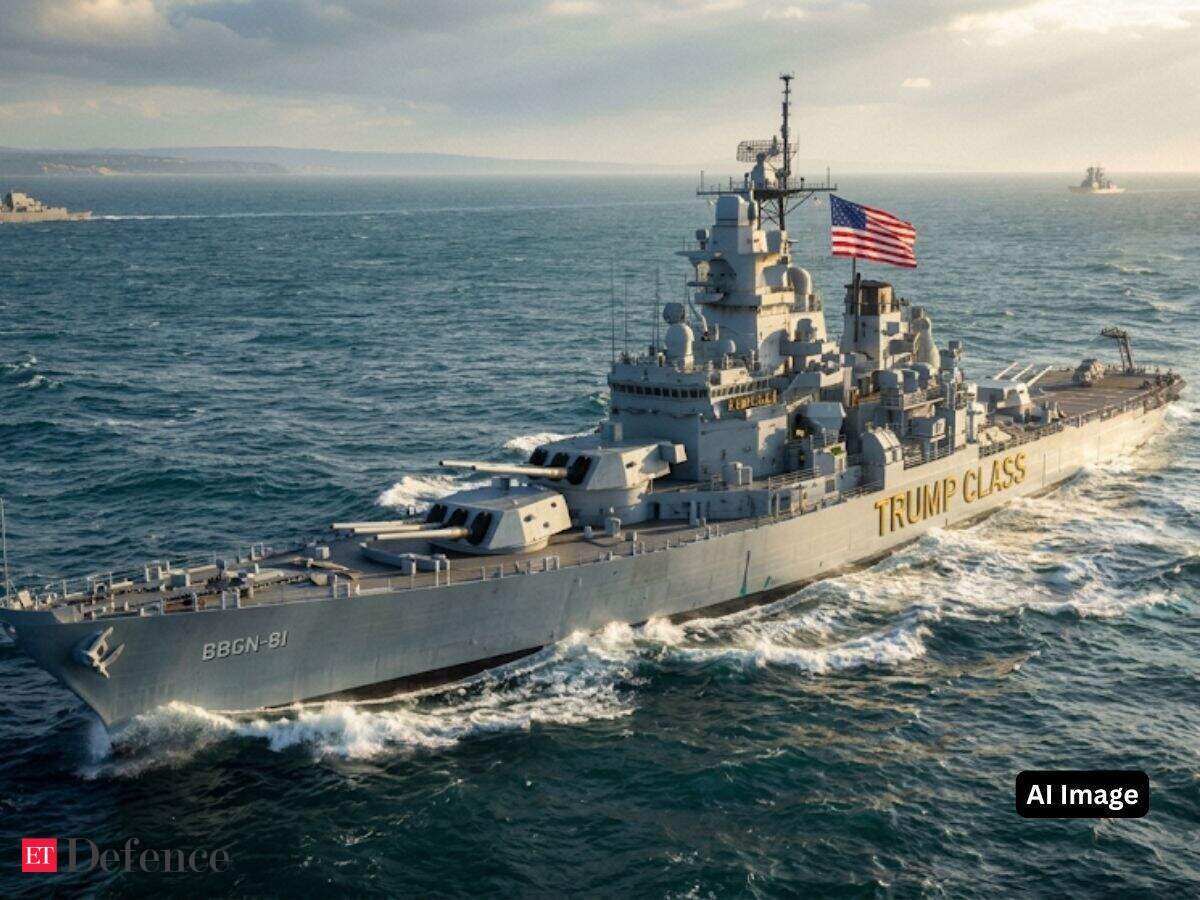
The proposed Trump-class battleships account for a substantial part of the projected spending increase. The CBO estimates that building 15 nuclear-powered vessels could cost approximately $275 billion, compared with the Navy’s estimate of $157 billion.
This puts the projected average cost at around $18.3 billion per battleship, against the Navy’s estimate of approximately $10.4 billion. The difference between the two projections amounts to $118 billion, highlighting the potential financial impact of the programme on the Navy’s long-term shipbuilding requirements.
The battleship plan is part of a broader effort to expand the US Navy’s battle force fleet from 286 ships in 2026 to 398 by 2056. To achieve this target, the Navy proposes purchasing 371 new battle force ships over the next three decades.
The planned acquisitions include seven aircraft carriers, 38 Virginia-class attack submarines, 16 next-generation SSN(X) submarines, 57 destroyers, 79 frigates and 15 Trump-class battleships. The Navy also intends to add 72 medium unmanned surface vessels to its future fleet.
Beyond the financial implications, the CBO has raised questions about the battleship programme’s alignment with the Navy’s broader strategy for distributing firepower.The Navy has stated that it wants to spread its combat capabilities across a larger number of ships and unmanned platforms. However, the proposed battleships would concentrate substantial firepower in a relatively small number of expensive vessels.
Such a structure could increase the consequences of a battleship being damaged or disabled, given the amount of firepower concentrated aboard each vessel. The CBO has also warned that the Navy’s overall firepower could decline until 2035, as older missile-capable ships are retired faster than replacement vessels enter service.
The proposed expansion comes as the Navy is dealing with operational demands linked to the ongoing war with Iran. A report by The Guardian said American warships have been deployed for extended periods, with some spending more than 300 days at sea. Several deployments have lasted 10 to 11 months, compared with the standard seven-month cycle.
The extended missions have forced the Navy to defer maintenance and repair work to keep vessels operational, raising concerns about the long-term readiness of its fleet and the strain on personnel.
The Guardian reported that the USS Abraham Lincoln spent 265 consecutive days at sea without a port visit. The return of the USS George Washington from the Middle East also brought to an end an unusual three-month period during which no US aircraft carrier was deployed across the Pacific.
The combination of extended operational commitments, delayed maintenance and an expensive shipbuilding programme raises questions about how the Navy will fund its expansion while sustaining its existing fleet and maintaining its global presence.