


3 min readJul 22, 2026 05:57 PM IST
Nasa’s upcoming Artemis III mission is shaping up to become the agency’s most complicated human spaceflight ever, requiring three separate spacecraft, multiple rocket launches, and nearly two weeks of orbital operations before paving the way for future lunar landings.
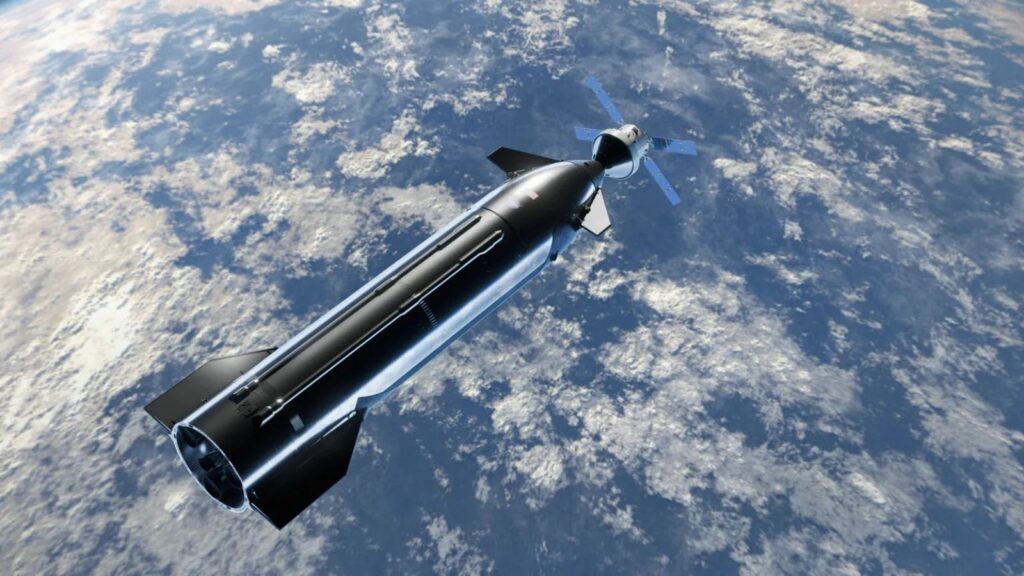
Unlike previous lunar missions, Artemis III will see Nasa’s Orion spacecraft rendezvous and dock with two commercial lunar landers in Earth orbit—SpaceX’s Starship and Blue Origin’s Blue Moon—making it the first Nasa crewed mission to carry out such operations with multiple crew-capable spacecraft.


Artemis III mission will test two commercial lunar landers
Artemis III is part of Nasa’s broader programme to send astronauts to the Moon again. Four astronauts will launch aboard the Space Launch System (SLS) rocket inside the Orion spacecraft, where they will spend about two weeks performing rendezvous and docking operations with Blue Moon and Starship in low Earth orbit. These demonstrations are intended to validate the spacecraft and mission procedures before astronauts attempt a lunar landing on Artemis IV, currently targeted for 2028.
The mission will mark only the second time in human spaceflight history that astronauts rendezvous with multiple crew-capable spacecraft during a single mission. Nasa notes that only the Soviet Soyuz T-15 mission in 1986 carried out a comparable feat.
Three launches from different rockets and launch pads
One of the biggest challenges of Artemis III is the launch sequence itself. Blue Moon will launch first aboard Blue Origin’s New Glenn rocket from Cape Canaveral, entering low Earth orbit and remaining there for up to 30 days while engineers verify its systems. Orion will then launch aboard Nasa’s SLS rocket from the Kennedy Space Center, dock with Blue Moon for about two days, and conduct system checks before separating.
Only after Orion departs will SpaceX’s Starship launch from Florida. Orion will later rendezvous with Starship to test communications, docking procedures and spacecraft manoeuvres. Unlike later lunar missions, astronauts will not enter Starship during Artemis III because it will not yet carry a crew cabin.
Preparing for future Moon landings
Both Blue Moon and Starship flying on Artemis III are test versions rather than their final lunar landing configurations. Nasa will use the mission to evaluate critical systems, including docking operations, environmental controls, spacesuit compatibility, and spacecraft interoperability in orbit.
Story continues below this ad
For SpaceX, Artemis III will also help demonstrate technologies needed for future Moon missions, including orbital docking and propellant transfer systems. Nasa estimates that at least 15 Starship refuelling launches will eventually be required before Starship can carry astronauts from Earth orbit to the lunar surface during Artemis IV.
Paving the way for Artemis IV
Following its operations with Starship, Orion will undock and return its four astronauts to Earth, concluding the mission with a parachute-assisted splashdown in the Pacific Ocean. If Artemis III meets its objectives, Nasa will move forward with Artemis IV, which is expected to mark humanity’s return to the lunar surface for the first time in more than 50 years using SpaceX’s Starship lunar lander.