


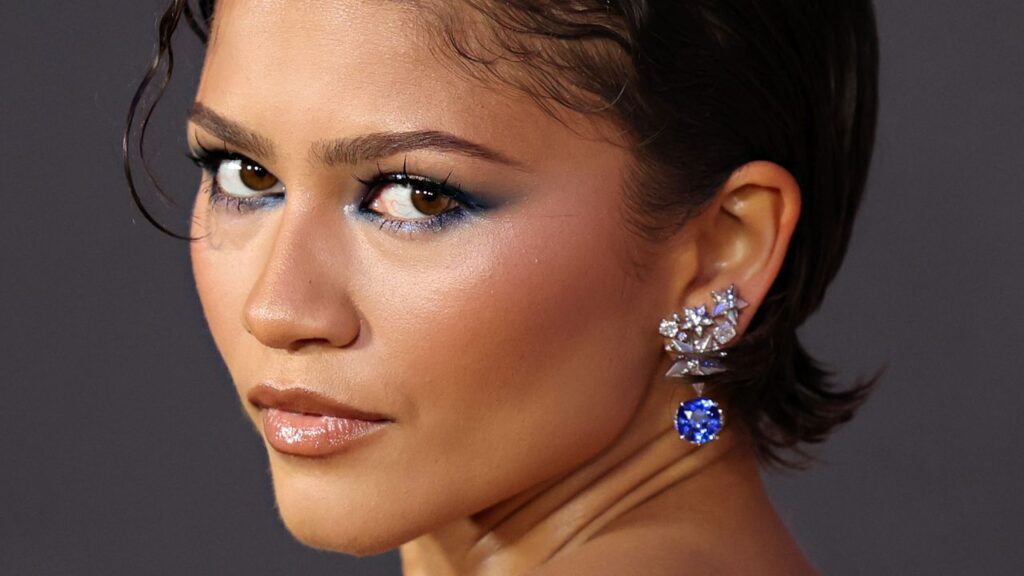
For a long time, colourless diamonds enjoyed uncontested popularity in the jewellery landscape. Today, the attention has turned to diamonds in electric pinks, canary yellows, deep saturated blues and vibrant greens. Beyond their status as pure adornments—the jewellery industry and collectors are increasingly looking toward coloured diamonds as modern heirlooms and investment-worthy treasures, destined to be passed down through generations.
With less than 0.1% chance of all naturally-mined diamonds being coloured, these remarkable tones are serendipitous accidents of geology. “Many factors influence how a diamond absorbs and reflects light including the presence of trace elements in the stone, subtle distortions in the crystal lattice or exposure to natural radiation, which ultimately gives the stone its colour,” explains Keshav Hirawat of Mumbai and Dubai-based jewellery house Kamyen.
While the world is just catching up to coloured diamonds, India has long known the significance of these rare stones. The Golconda mines in Andhra Pradesh and Telangana were among the first to trade solely in naturally-coloured diamonds as early as the 18th century. These mines have produced some of the most iconic coloured diamonds including the greyish-blue Hope Diamond, now housed at the National Museum of Natural History, Washington DC,and the Daria-i-Noor, the 182-carat pale pink diamond–the largest cut diamond in the world.


India’s contribution was not merely geological, it also established the science and classification of coloured stones, “Ancient Indian texts like the Arthashastra and Ratnapariksha were a complete science for reading a gem by its origin, water, flaws and meaning,” says Abhishek Mehta, creative director at Raniek, who designed Ananya Birla’s antique Chola- and Hoysala-inspired necklace for the 2026 MET Gala. “They remain among the earliest systematic attempts to classify coloured diamonds,” he adds.
For Indian royals, a coloured stone’s purpose transcended its beauty: it was a symbol of status and served as a talisman. Think Maharani Sita Devi’s larger-than-life diamond necklace featuring three rows of large diamonds with a 128.80 cts Brazilian pink diamond christened in the centre or Maharaja Bhupinder Singh’s Patiala necklace featuring 2,930 diamonds and a 234.65-carat yellow diamond made by Cartier. According to jewellery designer Farah Khan, when a ruler wore an extraordinary coloured diamonds, it became a symbol of status and its nation’s history. The association between coloured diamonds and authority continues to this day, with heavier pieces giving way to modern, smaller statement pieces that can be worn everyday.