


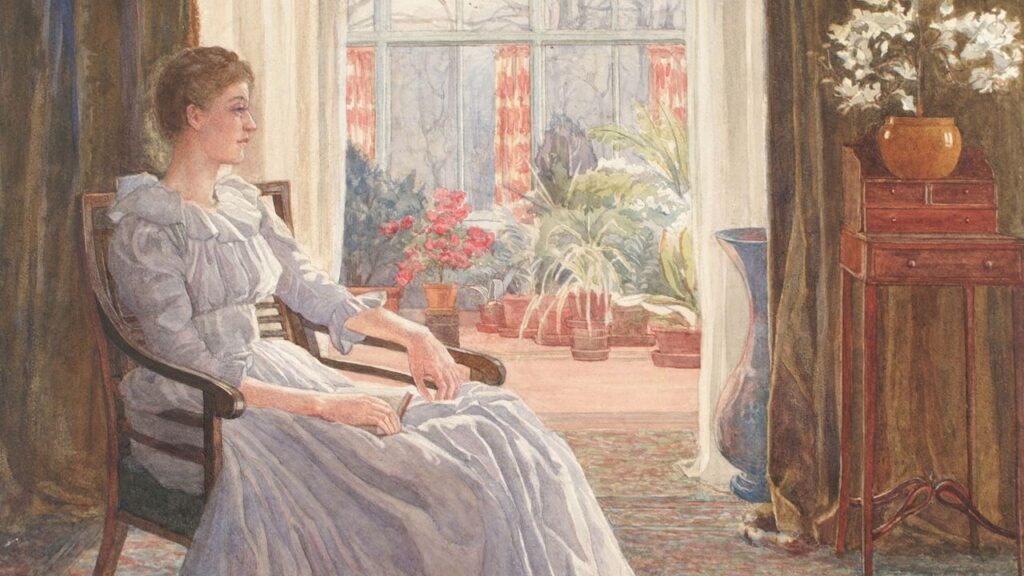
When I moved to Bengaluru at eighteen, I believed I had escaped the clutches of family life. I was done with the insistent track-keeping of where a girl had been and with whom. A set of keys unlocked a life that let me be answerable only to myself.
For a while, after moving to this new city, nearly every meaningful part of my day involved another woman. Our room doors were always open for each other, we answered each other’s mothers’ calls, slept in each other’s beds, learned from one another how to smoke, flirt, and be well.
This give-and-take is specific to female friendships in your late teens and early twenties, especially in a city that is not your hometown. I had so much to give my friends. Somewhere in all that giving, a jarring question began to form: how much of my own giving was for me too? If I could offer so much to them, how much could I offer myself? What would happen if I turned that same attention inward—if I kept my own company, and saw what the city offered me alone?
Women with bad landlords—but excellent instincts—have taught me the meaning of agency. Watching someone move out of our PG would give me the courage to go house-hunting for myself. This community taught me to claim what is mine. Who was I to expect less of me when I was the person I had to live with? When I walked into a perfectly proportionate 1BHK, I knew, with certain immediacy, that I wanted to live there alone. All my girls came over to help me clean and set-up my place. Female friends can bring you the confidence that you can do this alone—along with extension cords and takeouts.
The autonomy to live alone—particularly for women in this loneliness-riddled society—is often viewed as an attempt to overcompensate for the fear of being abandoned. When I spoke to 30-year-old Celeste, a fellow one-person household, she laughed at the predictability of it all. “Any man who’s questioned why I live alone has always sounded more threatened than concerned,” she says. Nothing alarms people more than a woman who can enjoy a date and still wants to go home to herself afterward.
Today, what women are seeking for themselves are habits. She wants to play a sport, design meal plans, have a realistic skincare ritual and the likes. Living alone became my confessional: On my worst days when I came undone, I owned up to it. I felt free when I could do things the way I wanted—work on my unfinished 1,000-piece puzzle as it lay there for months, put my bed in the living room, and give in to my impulses.
But living alone is a little like owning a shiny object that may lose its glow after a while. Women who do so have one thing in common: home-sickness. “Back home, somebody always noticed when I was unwell before I even had to say it,” says Sam, my best friend who also owns the keys to her own house. “Sometimes, when you cut your own fruits because there is no one else to do it for you, it gets to you.”
In S3 E10 of Sex and the City, Samantha Jones buys an apartment and throws a party for her girls. It’s all fun and games till she falls ill. “I should have gotten married. Then at least I’d have a curtain that closes.” Samantha later arrives at Charlotte’s engagement party in a red dress and orders a martini with six olives. Which feels, in its own way, like the sexiest portrait of female independence: to move between intimacy and independence without surrendering either.