


 rahulNovember 22, 20263 Mins read4
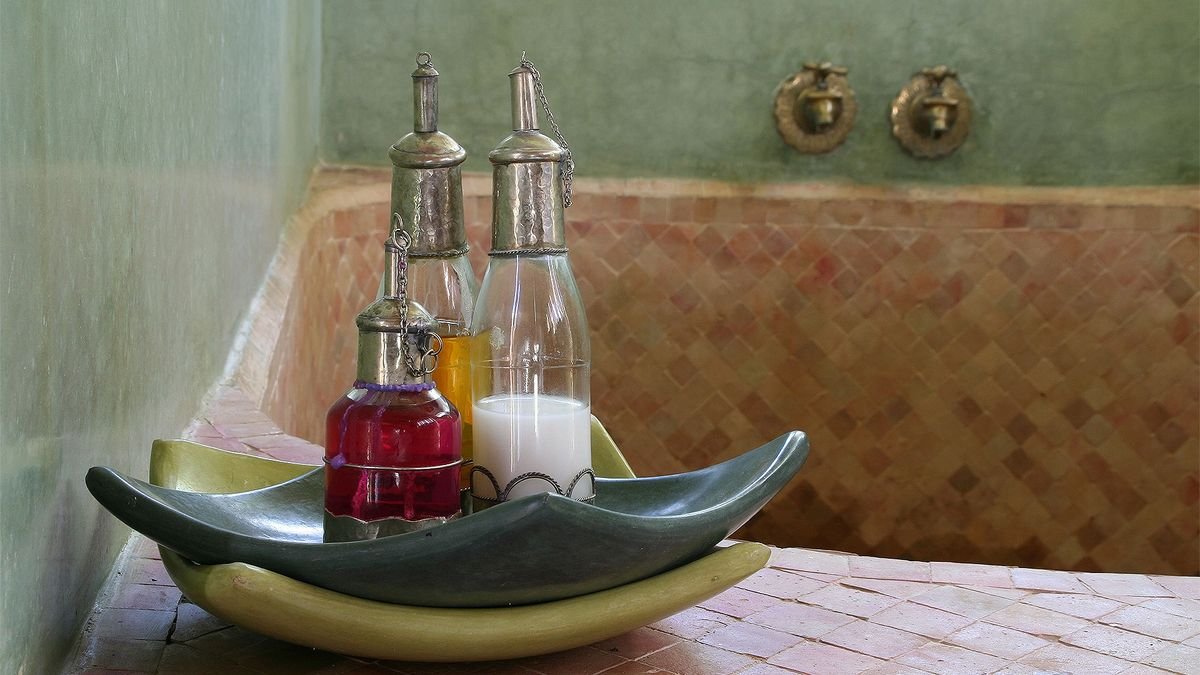
Long before elaborate skincare routines and 10-step regimens became a thing, Moroccan beauty traditions had already figured out the appeal of keeping things simple. Rooted in generations of self-care, these rituals rely on natural ingredients, nourishing oils and a little patience. From the much-loved argan oil to mineral-rich ghassoul clay, Moroccan beauty has plenty to offer even the most ingredient-conscious skincare enthusiast.
What makes these rituals so interesting is how easily they fit into modern beauty routines. They are less about chasing the latest skincare trend and more about making time for cleansing, exfoliating and nourishing the skin. Here are some traditional Moroccan beauty secrets that continue to deserve a place on our bathroom shelves.

If there is one ingredient that deserves its beauty icon status, it is argan oil. Extracted from the kernels of the argan tree, this golden oil has been a staple of Moroccan beauty rituals for generations. It is rich in fatty acids and vitamin E, making it a popular choice for nourishing both skin and hair.
For skincare, a few drops of argan oil can be pressed into slightly damp skin as the final step of your evening routine. It helps soften dry patches and leaves the complexion feeling comfortable without requiring a complicated line-up of products.
It is just as useful for hair care. Work a small amount through dry ends to help smooth frizz and add softness, particularly if your hair tends to feel parched after heat styling.
The trick is not to overdo it. Argan oil is concentrated, so a little goes a long way. Look for pure, cosmetic-grade oil if you want to make it a regular part of your routine.

A traditional Moroccan hammam is much more than a regular bath or shower. It is a slow, steam-filled cleansing ritual that gives the skin some much-needed attention.
The process typically begins with time spent in a warm, steamy environment, which helps soften the skin. Black soap is then applied to prepare the skin for exfoliation, followed by the use of a traditional exfoliating glove known as a kessa.
The exfoliation step helps lift away dead skin cells and surface build-up, leaving the skin feeling smoother. The ritual is usually followed by rinsing and moisturising to restore comfort.
You do not need to recreate an entire hammam experience at home to enjoy the idea behind it. A warm shower, a gentle body exfoliator and a nourishing moisturiser can make for a lovely weekly body-care routine. Just avoid aggressive scrubbing, especially if your skin is sensitive or irritated.

Two ingredients that frequently feature in Moroccan beauty rituals are ghassoul clay and black soap. Both have long histories in traditional cleansing routines, but they serve slightly different purposes. Ghassoul clay, also known as rhassoul, is a mineral-rich clay traditionally sourced from Morocco’s Atlas Mountains. It is used in face, body and hair treatments, particularly for its ability to absorb excess oil and surface impurities.
When using it as a face mask, mix the clay with water until you get a smooth paste. Apply a thin layer, leave it on according to the product instructions and rinse before it becomes uncomfortably dry. Follow with moisturiser to keep your skin feeling comfortable. Black soap, meanwhile, is traditionally made using olive-based ingredients. Its soft, paste-like texture makes it a popular part of hammam cleansing rituals. It is generally used on damp skin before exfoliation rather than as a daily facial cleanser. Both ingredients can be useful additions to a body-care routine, but remember that more cleansing does not always mean better skin. Start slowly and pay attention to how your skin responds.

Rose water brings a softer touch to traditional Moroccan beauty rituals. Made by distilling rose petals, it is commonly used as a refreshing facial mist and a light addition to skincare routines. Its appeal lies in its simplicity. A spritz after cleansing can feel refreshing, while its delicate floral scent makes an ordinary skincare step feel a little more enjoyable.
You can also use rose water as a refreshing layer before moisturiser, provided the formula suits your skin. If you have sensitive skin, check the ingredient list and opt for a fragrance-free alternative if floral ingredients tend to cause irritation. For everyday use, choose a well-formulated rose water product rather than assuming every product labelled natural will automatically suit your complexion.

The best thing about these traditional beauty practices is that you do not have to overhaul your existing routine to try them. A few thoughtful additions can be enough to introduce some of their benefits into your weekly self-care.
Argan oil can help nourish dry skin and hair, ghassoul clay offers an occasional deep-cleansing treatment, and a gentle body exfoliation inspired by the hammam can leave your skin feeling smoother.
The real takeaway from Moroccan beauty traditions is the value of slowing down and paying attention to what your skin needs. You do not need a shelf full of products to make your routine feel special. Sometimes, a handful of well-chosen ingredients and a little extra time are more than enough.
Also Read:
The Hydration Reset That Doesn’t Require A New Routine
ELLE Exclusive: To The Girls Who Can Never Say No To Pink, Pali Beauty Has A Treat!