

 rahulNovember 4, 20261 Mins read0
In the election on 27 October, Netanyahu’s right-wing Likud party and its far-right and ultra-Orthodox Jewish allies won 53 seats in the 120-seat Knesset. Eisenkot’s centrist Yashar party and three other Jewish opposition parties in his bloc won 48.
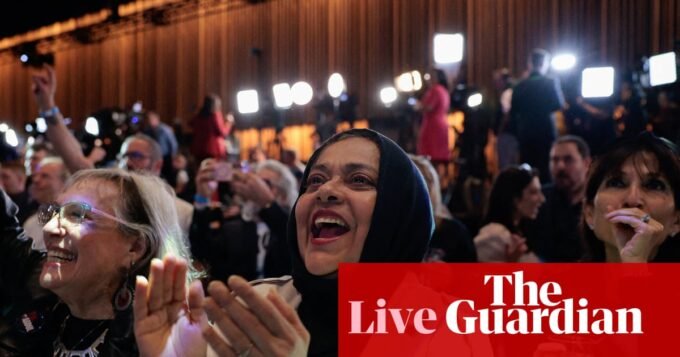
Two Arab-led alliances, the United Arab List and the Joint List, together won an unprecedented 19 seats following a surge in turnout among Arab voters.
That makes them potential kingmakers. However, all but one of the Jewish parties pledged before the polls not to work with them to form a government.
The role of Israel’s president is largely ceremonial, but after an election they have the role of inviting a Knesset member to form a government. That person will be given 28 days to do so, with a potential 14-day extension.
The president has wide discretion to pick someone they believe has the best chance of building a coalition. They do not have to choose the leader of the party with the most seats.
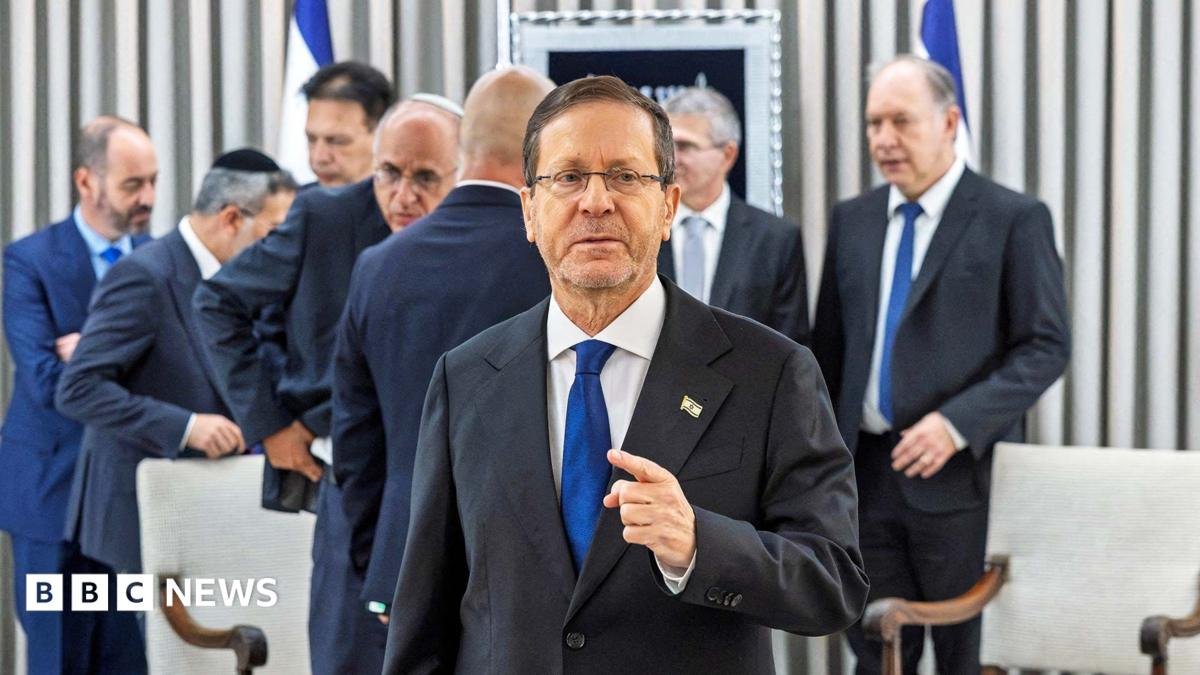
On Wednesday morning, Herzog was presented with the official results by Central Elections Committee chairman Justice Noam Sohlberg at a ceremony in Jerusalem.
“In recent days, we have heard voices trying to cast doubt on the election results and to undermine their legitimacy. This is a real danger,” Sohlberg said.
“One of the foundations of democracy is the ability to have a peaceful transfer of power. This stems from the understanding that the will of the electorate obligates us all.”
Herzog announced that he would begin the consultation process on Wednesday evening.
“In order to prevent another round of elections and to build a stable and good government here for the people of Israel, I expect the factions and their representatives to understand that, in the current reality, not every commitment and promise can be fulfilled,” he said.
The president also expressed confidence in the Shin Bet’s ability to investigate the allegations of foreign interference in the election and appealed for patience.
But he warned that Arab Israelis – who make up about one fifth of the population and often refer to themselves as Palestinian citizens of Israel – “must not be smeared”.
“I condemn the coarseness and racist expressions that we have heard recently. There is no place for them toward any community in Israel,” he said.