


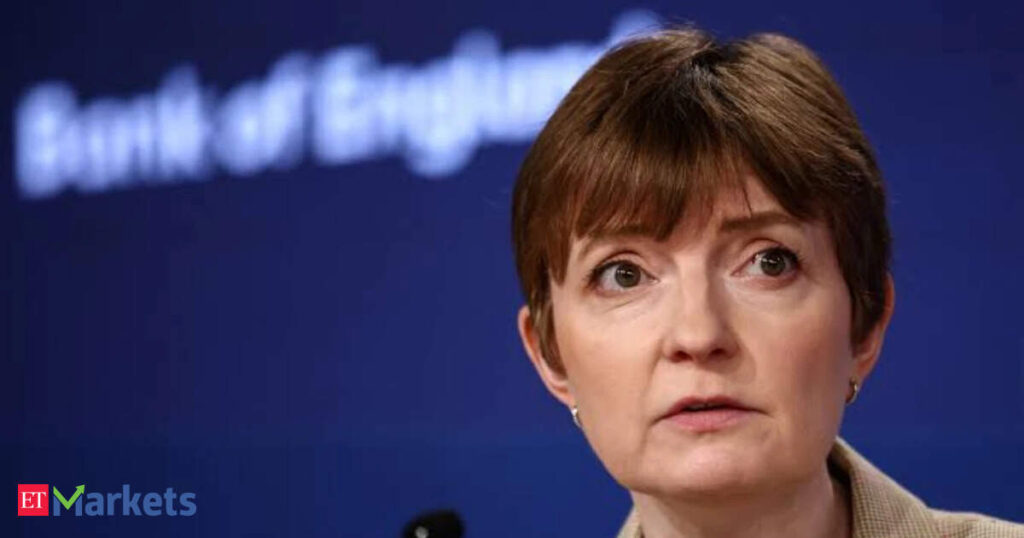
According to Reuters, Lombardelli said prolonged increases in energy costs could create broader inflationary pressures by influencing inflation expectations, wage negotiations and the way businesses set prices.
She said the longer energy prices remain high, the greater the risk that these indirect effects become embedded in the economy, making it harder for inflation to return to target.
Read more: US market ends down as oil prices, Treasury yields rise
Lombardelli’s comments came in a speech at the Sixth Biennial Conference on Macroeconomic Policy in Warsaw, as central banks continue to assess the impact of energy-price pressures on inflation.


Live Events
The BoE official stressed that monetary policy should not respond mechanically to changes in energy prices. Instead, the central bank needs to assess whether higher energy costs are beginning to feed into inflation expectations, wage bargaining and corporate pricing behaviour.Read more: Global Market Today: Asian stocks waver on inflation, rate concerns
If those second-round effects become more pronounced while there is no clear evidence of weaker economic activity or disinflation, monetary policy may increasingly need to become tighter, Lombardelli said, according to Reuters.Her comments highlight the challenge facing the BoE as policymakers balance persistent inflation risks against the possibility that higher borrowing costs could further weaken economic growth.
(Disclaimer: Recommendations, suggestions, views and opinions given by the experts are their own. These do not represent the views of The Economic Times)