



 rahulNovember 18, 20265 Mins read1
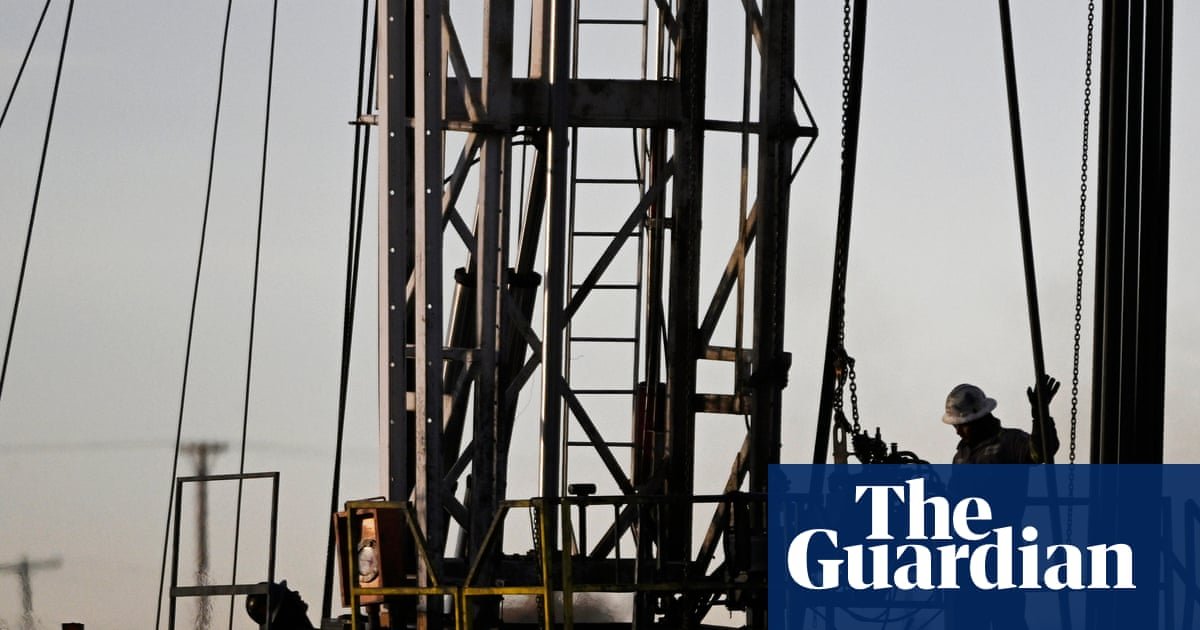
The fossil-fuel industry is violating Colorado law by not disclosing which chemicals it uses in drilling, a new analysis by the FracTracker Alliance non-profit alleges, and state records show it has used illegal or dangerous compounds while fracking.
Drilling chemicals can include xylene, toluene, benzene, Pfas and other dangerous toxicants, industry records and literature from other regions show. A first-in-the-nation 2022 Colorado law requires fossil-fuel operators and their suppliers to make public all chemicals used in “downhole oil and gas production”. But regulators have exempted compounds used in drilling, claiming that drilling is not part of production.
FracTracker contends this exemption contradicts the widely held definition of production, including that implied in Colorado’s regulatory literature.
Legislators who authored the law, public health groups, and industry all use definitions of “production” that includes drilling, FracTracker states, and it notes the law requires “disclosure of all chemicals used underground or ‘downhole’ in oil and gas wells”.
Meanwhile, at least five chemicals that were reported for use in fracking are prohibited by Colorado law, FracTracker alleges. It also found fossil-fuel companies reported using at least three highly toxic chemicals that raise serious safety questions.
About 43,000 people live within a mile of the state’s wells, and many within a few hundred feet. Regulators are flying blind on what the sum impact of the chemicals may be, the authors allege.
“This is a public health crisis and it should be treated as such,” Shannon Smith, FracTracker’s executive director, told the Guardian. FracTacker is a non-profit that investigates and monitors public health threats created by the fossil-fuel industry, and advocates for protections. It began in Pennsylvania in 2010, but now organizes nationally.
Fracking operators and their suppliers are supposed to disclose all downhole chemical ingredients to the Colorado Energy and Carbon Management Commission (ECMC) regulatory agency within 150 days. The agency then must post the chemicals on its website.
ECMC literature implies the agency considers drilling as part of oil and gas production. In a statement, an ECMC spokesperson said the agency was “aware of differing views regarding the scope and implementation of the chemical disclosure requirements”.
“We are applying the law and Commission rules under the current statutory and regulatory framework while continuing to work with stakeholders to clarify these issues and support consistent, appropriate implementation,” the spokesperson said.
Halliburton, Chevron and Occidental Petroleum are among the state’s top fossil-fuel producers.
In a statement, a Chevron spokesperson said the company “is committed to safe and responsible operations in Colorado”.
“We take chemical-disclosure requirements seriously and remain focused on meeting our obligations and maintaining transparent, responsible operating practices,” the spokesperson added.
In order to drill wells and extract minerals, fossil-fuel operators pump huge volumes of pressurized liquid into the earth to fracture – or “frack” – bedrock, stimulating the release of trapped oil and gas. These fluids are mostly water and sand by volume, but they also contain industrial chemicals, including biocides, surfactants and lubricants.
Hundreds of studies have pointed to health risks for those in fracking regions. Toxic chemicals such as formaldehyde, Pfas and benzene have been widely detected or reported in fracking fluids. These and other chemicals used – or thought to be used – in production are linked to issues such as cancer, hormone disruption and neurological damage.
Gas companies reported as many as 11 spills a week in 2018, and people are exposed to the chemicals through multiple pathways, including groundwater, above ground spills, wastewater seepage into drinking water supplies, and air emissions.
The ECMC has told FracTracker that it does not consider drilling to be part of the fracking and production said the report’s author, Dusty Horwitt, FracTracker’s senior research and policy counsel.
“That was news to us, and it is not consistent with The American Petroleum Institute definition of what oil and gas production is,” Horwitt added. API literature shows oil and gas production includes “drilling, extraction, and recovery of oil from underground”.
Meg Froelich, the Colorado state representative who co-wrote the 2022 legislation, said she intended for drilling chemicals to be disclosed. The legislation is called “Concerning enhanced oversight of the chemicals used in oil and gas production.” Production includes drilling, Froelich said.
She accused the ECMC of “word-parsing” and added that she was “mad about their stalling”.
“The law covers everything that goes downhole because everything that goes downhole has the potential to affect neighbors,” Froelich told the Guardian.
The ECMC until recent years has largely worked to promote the fossil-fuel industry, and only since Democrats took over the state government has it shifted to also protect public health, but the shift has come in “fits and starts”, Froelich said.
State records show that wells covered by law operated without drilling chemical disclosure for at least a collective 843,369 days from the rules’ implementation to May 16, when the analysis was conducted.
The law also requires fossil-fuel companies to provide schools, first responders and other community institutions with lists of chemicals it uses, but it has failed to do that, advocates say.
The report comes after a previous analysis reported on by the Guardian found Colorado fossil-fuel companies pumped at least 30m lb of secret chemicals into the ground over an 18-month period without making legally required disclosures. Out of over 1,100 fracked sites across the state, companies did not disclose 675, or about 60%.
Since then, the compliance rate is closer to 100% – except for the drilling chemicals, advocates say.
The report raises questions about which chemicals are being used for drilling. A recent law banned any use of Pfas at oil and gas sites, and industry literature and peer-reviewed research suggests that Pfas are a common drilling chemical. Horwitt told the Guardian he fears the chemicals may be used in Colorado.
“Publications, including those issued by major oil and gas-producing nations Canada and Norway, report that PFAS is used for multiple purposes in oil and gas production including drilling and enhanced oil recovery,” FracTracker states. The lack of drilling chemical disclosure in Colorado “creates uncertainty about whether companies are complying with the PFAS ban”, the report added.
Meanwhile, records from Ohio show the frequent use of xylene, the report states. The chemical can cause headaches, dizziness, confusion, loss of muscle coordination, and, in high doses, death.
FracTracker also points to five chemicals that were disclosed as being used for fracking on some well pads despite state rules prohibiting their use in fracking: 1-butanol, 2-butoxyethanol, 1,4-dioxane, N,N-dimethylformamide and BMPA. Some of these compounds are linked to cancer, liver disease, and harm to developing children.
In its statement, the ECMC said it had “issued notices of alleged violation when prohibited substances are identified, including cases involving 1-butanol, 2-butoxyethanol and 1,4-dioxane”.
Among potentially harmful chemicals that are permitted are acrylamide, ethylene oxide and methanol. FracTracker noted that those were among the chemicals disclosed as being used in a well in Galeton that sprayed a geyser of gas and at least 3.7m gallons of fluid for over four days in April 2025.
Living near wells has well-established links to leukemia, birth abnormalities and other serious health problems. Residents in July reported to the Guardian that they are plagued by loud noise, acrid air emissions, headaches, nosebleeds and respiratory issues.