


 rahulNovember 7, 20263 Mins read0
Under Armour founder and chief executive officer Kevin Plank says is a $1 billion business that “can be much larger.”
Plank also promised: “And we think you’re going to see a lot more of that proof coming through in spring ’27.”
But given past underperformance, some on Wall Street are wondering if the company can actually achieve its goals.
Under Armour believes a simpler leadership structure and refocused priorities can help the athletic sports firm refuel its shoe business.
“We’re concentrating resources where our performance credibility gives us the strongest opportunity to win. Our leaders are then responsible for translating those actions and the product athletes choose,” he told investors at Friday’s second quarter earnings conference call.
According to Plank, Under Armour is focusing on building a stronger brand through compelling products and more consistent execution, as well as more aspirational storytelling.
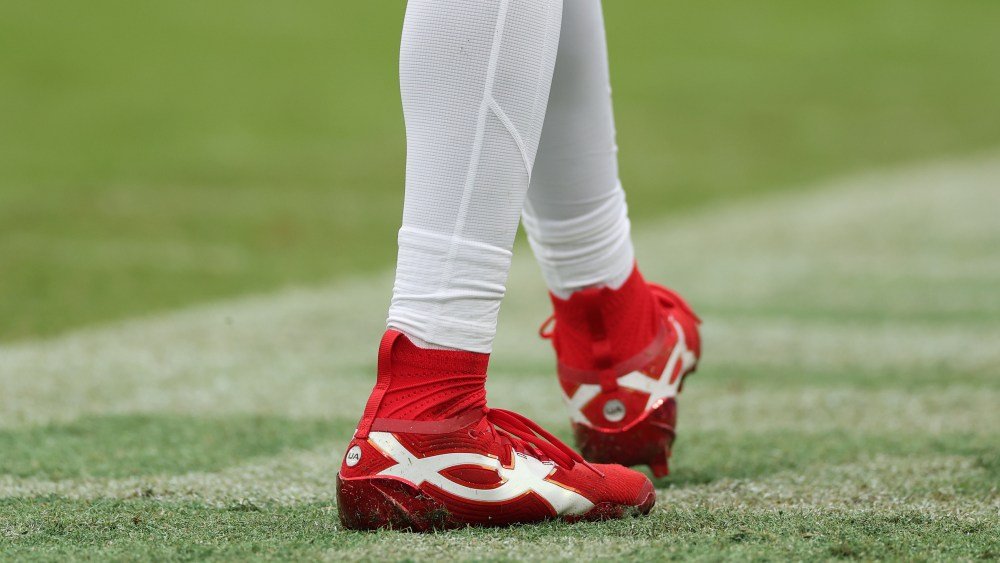
And he said backing proven franchises is proof that the company can win. “Our cleated business in American football is a good example of this. It grew double digits in the quarter, with higher average selling prices and market share gains,” Plank said, noting that Under Armour is now the No. 2 brand in football cleats in the U.S.
He also noted that the company last week held its supplier summit, and it is working with “key manufacturing partners on shorter lead times, more efficient use of materials and faster response.”
And he said that using AI can help with calendar compression, shortening the time required to get a product in the market. “We see opportunities for AI to speed decisions and reduce repetitive work, so our teams can spend more time developing products and serving athletes,” he said.
That “focus on athlete needs is guiding our footwear reset as well,” Plank said. “We’re building on strength in team sports while improving design and value across the portfolio.”
The CEO said that running offers an opportunity for the brand to expand on its performance credentials via its Velociti franchise. “Our task is to translate that expertise into a broader segmented assortment that meets the needs of more athletes and earns its place at retail,” he said.
Plank cited marathoner Sharon Lokedi’s race in the Chicago Marathon last month. “She finished second in the Velociti Lead 3, improving her personal best by over 3 minutes in becoming the eighth fastest female marathoner in history. It is an exceptional achievement for Sharon and another demonstration of Under Armour footwear at the highest level,” he said.
He said more commercial-based execution of the Velociti Lead 3 shoe will include iterations “at more accessible price points this coming spring.” And Plank said investments moving forward will support fewer bigger campaigns, while regional teams will work with local media on marketing and branding and overall storytelling.
“We have a brand that is much bigger than our business,” Plank said, adding that when it comes to footwear, he said the company has not done a good enough job in extracting value. But that can change by delivering a “clear point of view on what we want consumers to buy and then telling them why to buy it.”
Whether it is running, team sports, or training, Plank said innovation is in the pipeline. “We need to do a better job packaging those stories into a reason that consumers need to buy it,” the CEO said.
In the quarter, footwear sales fell 11 percent to $234 million. The strength in cleated footwear and running was not enough to offset broader category weakness in footwear, noted BTIG analyst Robert Drbul. The analyst noted that while product remains the focus, whether Under Armour can translate innovation into broader demand is still the key question.
“We continue to believe the production simplification and increased focus on innovation are steps in the right direction, but sustained improvement will ultimately require these initiatives to translate into better traffic and broader full-price demand,” Drbul concluded.
Jefferies analyst Randal Konik said the product pipeline is showing some signs of “early proof points,” but inventory appears to be moving in the wrong way. Inventory rose 4 percent against revenue that was down 7 percent, Konik said. In reaction, management is cutting future buys and taking sell-through actions. Still, the required markdowns will weigh on second half margins, reinforcing the need for better demand planning, Konik noted.
Before Under Armour posted first quarter results in August, there was hope on Wall Street that the company could be on the verge of it long-awaited turnaround. But two days later, after the Baltimore, Md.-based sportswear and shoe firm posted earnings results and revised outlook, it appeared that consumer demand remained a challenge for the firm.
And in the earnings report for the second quarter ended Sept. 30, the company said revenues fell 7 percent to $1.2 billion, although that was better than Wall Street’s expectation of a decline of 8.3 percent.