


 rahulNovember 5, 20263 Mins read0
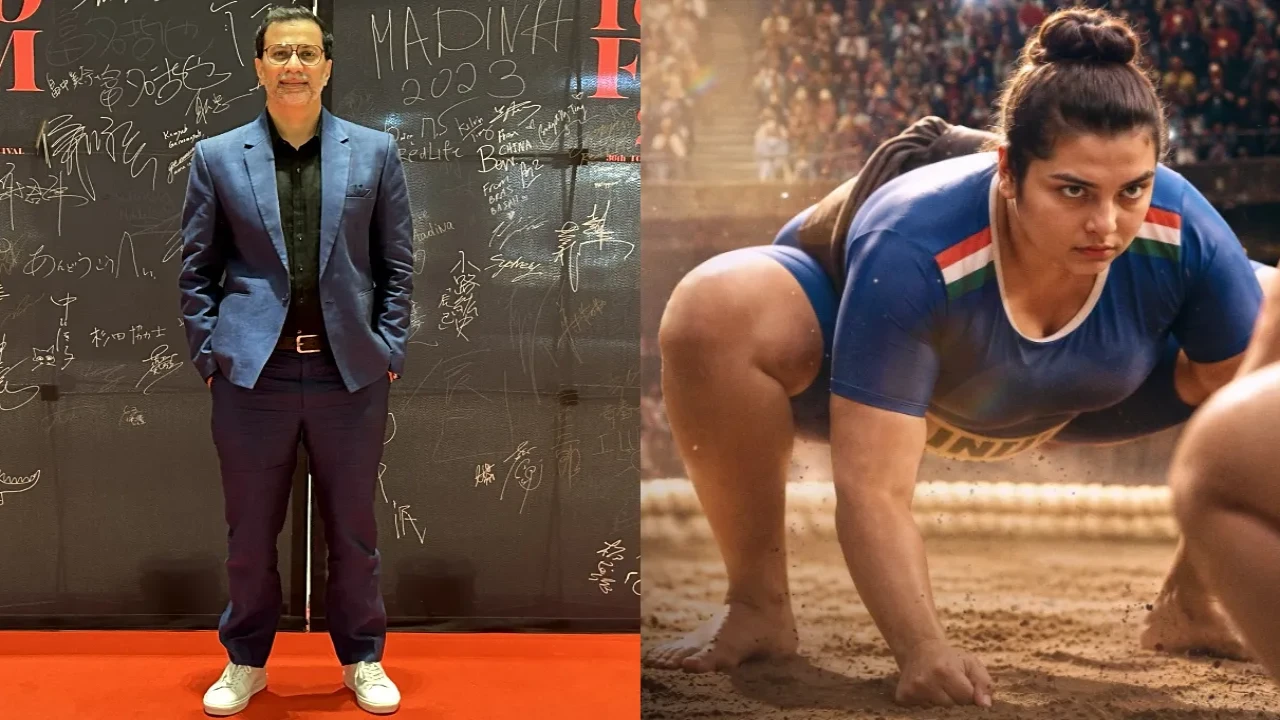
Sumo Didi is based on the real-life story of Hetal Dave, India’s first and only professional female sumo wrestler. A young Hetal faces constant body-shaming, societal judgment, and pressure from family members who want her to lose weight and get married rather than pursue sports. By chance, Hetal discovers the unconventional world of sumo wrestling and decides to make it her calling.
Now in an exclusive interview with Pinkvilla, director Jayant Rohatgi spoke at length about his approach to the film, the story of the athlete, and what viewers will get to learn from Sumo Didi. The film is now streaming on Zee5.
Q. At what point as a director did you realise that Hetal Dave’s story should be made into a film?
Jayant Rohatgi: When Arunava Joy Sengupta shared Hetal’s story with me, it felt like one of those instances where truth really is stranger than fiction. The sheer magnitude of her dream stayed with me. I began imagining an ordinary day in her life. What did it take to wake up each morning and keep going when hardly anyone believed she could? It was my way into the film.
Hetal’s story had first caught the attention of screenwriter Nikhil Sachan and producers Akash Chawla and Joy Sengupta of Freshlime Films, through a small newspaper article. They reached out to Hetal and developed a first draft. Jio Studios had already green-lit the film when I came on board.
Together we returned to the drawing board to develop the screenplay afresh. Hearing Hetal speak about her life during that process strengthened my belief in the story we were telling.
Q. For many Indian viewers, sumo is an unfamiliar sport. Did you approach the film as a sports biopic or as a commentary on body positivity?
Jayant Rohatgi: I approached it first as the story of a person trying to pursue an extraordinary ambition. I didn’t begin with a message about body positivity; that emerged through her journey. I wanted to understand what sustained her when her belief in herself faltered. Her life already held enough conflict and emotion. My instinct was to keep the storytelling grounded and let those feelings emerge through her choices and relationships.
When you’ve been judged and underestimated for years, other people’s opinions can begin to limit what you believe is possible. For Hetal, taking on the world also meant questioning those limits within herself. That struggle needed room, particularly in the quieter moments.
Sumo was new to me, too. Beyond its rules and techniques, we learnt its history, rituals and the physical and mental discipline it demands. Filming in Japan before we shot the bouts helped us recreate the ring and the atmosphere of an international tournament authentically.
I wanted the audience to know Hetal through her pain, humour, anger, ambition and to experience her growing sense of self-worth. When we watch her compete, we should understand what it has cost her to get there.
Q. Did you ever worry that the film’s body-positivity message might overshadow Hetal’s identity as a serious athlete?
Jayant Rohatgi: I was conscious of that risk. I wanted the audience to appreciate Hetal’s skill and discipline as much as her courage. She wanted to compete and win for India and we had to take that sporting ambition seriously.
We cast professional sumo wrestlers alongside Shriyam because the encounters in the ring needed to feel credible. The audience needed to be invested in how Hetal would respond to an opponent, whether she could hold her ground and how she would recover from a setback.
Watching Hetal develop that skill also changes how we see her body. For me, the two aspects of her story belong together. Taking her seriously as an athlete allowed the idea of body acceptance to emerge through the action itself.
Q. Hetal’s mother appears to analyze her daughter’s future only through marriage and social acceptance. Did you want audiences to see her just as an antagonist, or as someone who represents the collective social stigma that may have shaped the mother’s life too?
Jayant Rohatgi: I never saw Sudha simply as an antagonist. She loves her daughter deeply, but her understanding of what will keep Hetal safe has been shaped by her own circumstances.
She has raised two children on a limited income, watched her sister enjoy the security of a wealthier marriage and seen her sister-in-law’s marriage unravel after an accident changed her appearance. She wants Hetal to have an easier life and a suitable marriage is the only route she knows and trusts.
The judgments Sudha places on Hetal are ones she has learned to live by herself. In trying to protect her daughter, she becomes a source of the very hurt she wants to spare her. I wanted her warmth, humour and affection to remain present even in their fiercest disagreements.
Their agreement to give sumo a year brings this into focus. Hetal sees an opportunity; Sudha worries about what her daughter might lose by taking it. Both believe they are fighting for Hetal’s future.
For me, that is what makes their relationship moving. The love is there throughout, but Sudha has to learn that Hetal can choose a different life without that choice being a mistake.
Download Pinkvilla Buzz now with one click: Pinkvilla Buzz
ALSO READ: 4 OTT Films and Series Releasing This Week (October 19 to 25): Chaar Yaar, Gajab Raat to Sumo Didi