

 rahulNovember 29, 20262 Mins read2
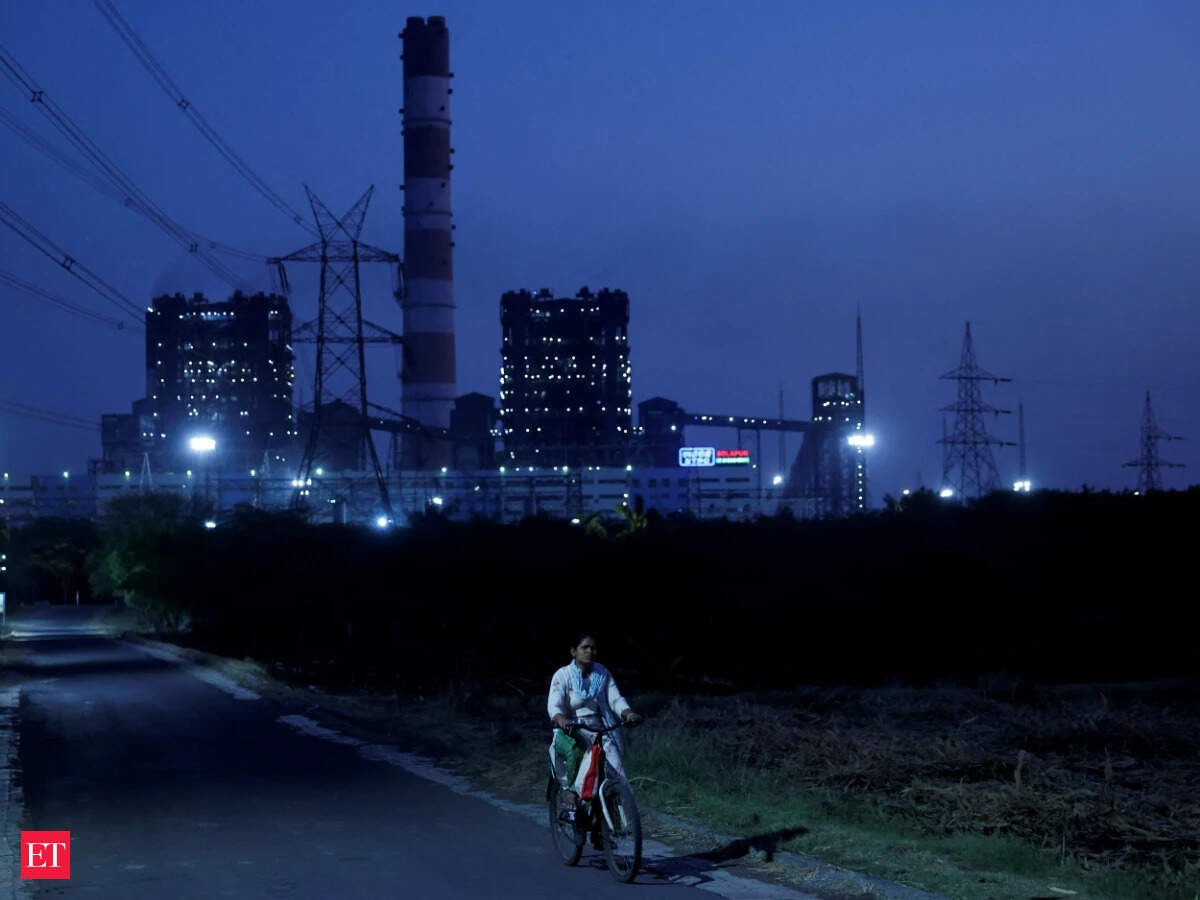
Speaking to reporters after a two-day conference of power ministers, Lal said 1.45 million households had been taken up for grid connectivity. “Electricity connections had been completed for around 6.25 lakh households, including those covered through off-grid arrangements,” he said, urging states to complete the remaining work “in mission mode by March next year.”
Also Read: Government asks states to sign deals for 41 gigawatts unsold clean energy
The minister said difficult terrain and weather could delay connections to some homes in snowbound mountains, forests and border areas. Such households could require another two to four months, depending on conditions, while work elsewhere should be completed by the deadline. He said the government’s objective is to ensure continuous and affordable power for every household.
Discussions at the conference covered generation, transmission, distribution and the financial health of power distribution companies.
 ET Bureau
States were asked to strengthen billing and collection and accelerate smart metering.
To address concerns of unusually high readings after smart meter installations, the minister said states should consider installing a parallel check meter for three months so consumers could compare readings and have discrepancies examined.”In many cases, outstanding bills are not appropriately settled, and users get a surprise when the smart meters detect discrepancies and present the bills,” he said.
Also Read: India’s power sector needs Rs 200 lakh cr investments by 2047: Manohar Lal
Lal suggested states may consider settlement schemes to prevent accumulated dues from causing concern over the first bill.
The conference also stressed the need for states to enter long-term power purchase agreements rather than depend on short-term purchases to meet their electricity requirements. Officials said states have been encouraged to assess demand and prepare procurement roadmaps to meet future power requirements.
Energy storage was another focus, with the minister highlighting the need to store surplus solar and wind power to meet evening and peak-hour demand. Hybrid wind and solar projects were discussed as a way to improve use of transmission infrastructure across different hours.
Officials said battery energy storage capacity is expected to reach between 36 GWh and 40 GWh by March-end.
Lal called for solarisation of agricultural feeders to supply farmers with daytime electricity and reduce the subsidy burden on states. States were asked to review their resource adequacy plans, covering future demand, generation and transmission needs, and submit reports on proposed changes.