


 rahulNovember 27, 20262 Mins read2
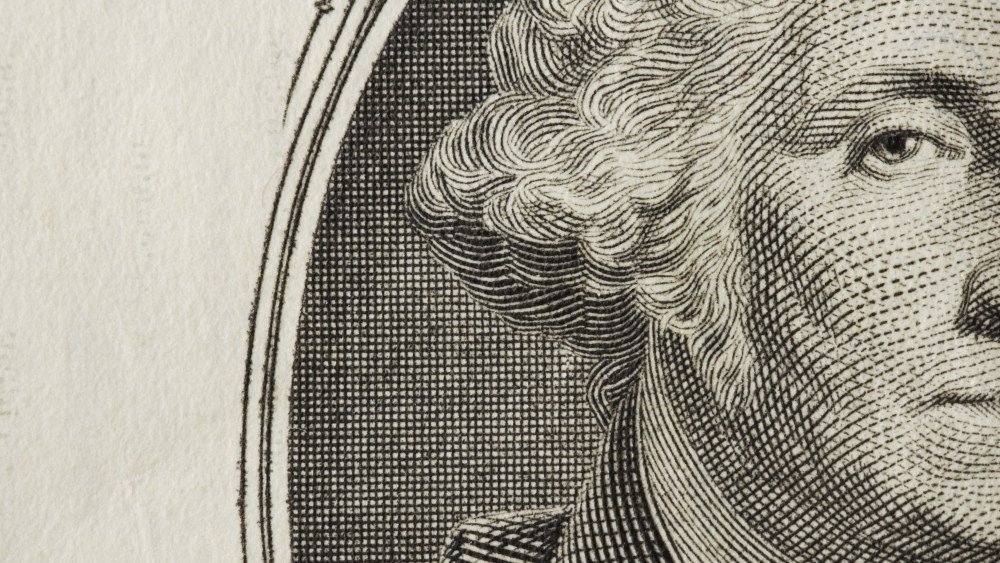
Americans are voting with their dollars, according to a new survey by Goods Unite Us, a nonpartisan platform that tracks federal political donations from companies, and SmartCustomer, an online business and product review platform for consumers to rate businesses.
The platforms surveyed 1,115 U.S. shoppers about four weeks before the midterm elections on Nov. 3 to analyze how political views affect purchases.
What they found is companies’ politics matter more than ever before. When asked to rate how much a company’s political affiliation influences their purchasing decisions on a scale from 1 (not at all) to 5 (a great deal), 67 percent of consumers said influence as significant, rating it 3 to 5.
This is a major shift from 2024, the last presidential election year, when 62 percent of shoppers rated it a 1 or a 2, meaning it mattered very little or not at all.
Consumers’ inclination to boycott a brand over politics also grew. The survey found that 51 percent of shoppers said they boycotted a company in the past 12 months because of its political stance, compared to 30 percent of shoppers in 2024. Liberals are more likely to boycott. The survey found that 64 percent of those who lean Democratic and 47 percent of those who lean Republican have boycotted a company for its political stance in the past 12 months,
“A lot has changed in the two years since we last asked this question,” said Michael Lai, SmartCustomer CEO. “More people now see their wallet as one of the most direct ways to make an impact, and they’re deciding where to spend based on what a company stands for.”
The survey also revealed consumers’ demand for transparency is stretching beyond companies’ supply chains, pricing and sustainability claims.
While 41 percent of consumers said companies should keep their political positions private in 2024, that number shrank to 22 percent in 2026. In fact, when asked whether companies should be more transparent about their political affiliations or stances, 53 percent of respondents said companies should be more open about their political positions.
Consumers who lean Democratic want greater transparency. The survey found that 68 percent of liberal-leaning shoppers want companies to be more open, compared with 46 percent of those who lean Republican.
This echoes YouGov’s recent report on brands that resonate the most with Republicans and Democrats. YouGov found that 57 percent of Democrats said they like brands that get involved in social issues versus 17 percent of Republicans.
Greater visibility into brands’ political affiliations would change consumers’ purchasing decisions.
The survey found that 73 percent of those who lean Democratic and 54 percent of those who lean Republican say that easily seeing a business’s political affiliation while shopping would influence their purchasing decisions, compared with 44 percent of those who lean toward neither. Additionally, 64 percent of consumers said they would pay more for one of two equal-quality products if it came from a company whose political beliefs align with their own.
A company’s stance on a particular issue can also affect consumers’ spending decisions. The survey found that the top issue for consumers who lean Democratic was abortion and reproductive rights and the top issue for those who lean Republican was religious freedom.
DEI, immigration and LGBTQ+ issues were also key topics. Workers’ rights and unions ranked somewhere in the middle, with 45 percent of Democratic-leaning consumers saying it would affect their purchasing decisions, compared to 23 percent of Republican-leaning consumers.