

 rahulNovember 26, 20262 Mins read1
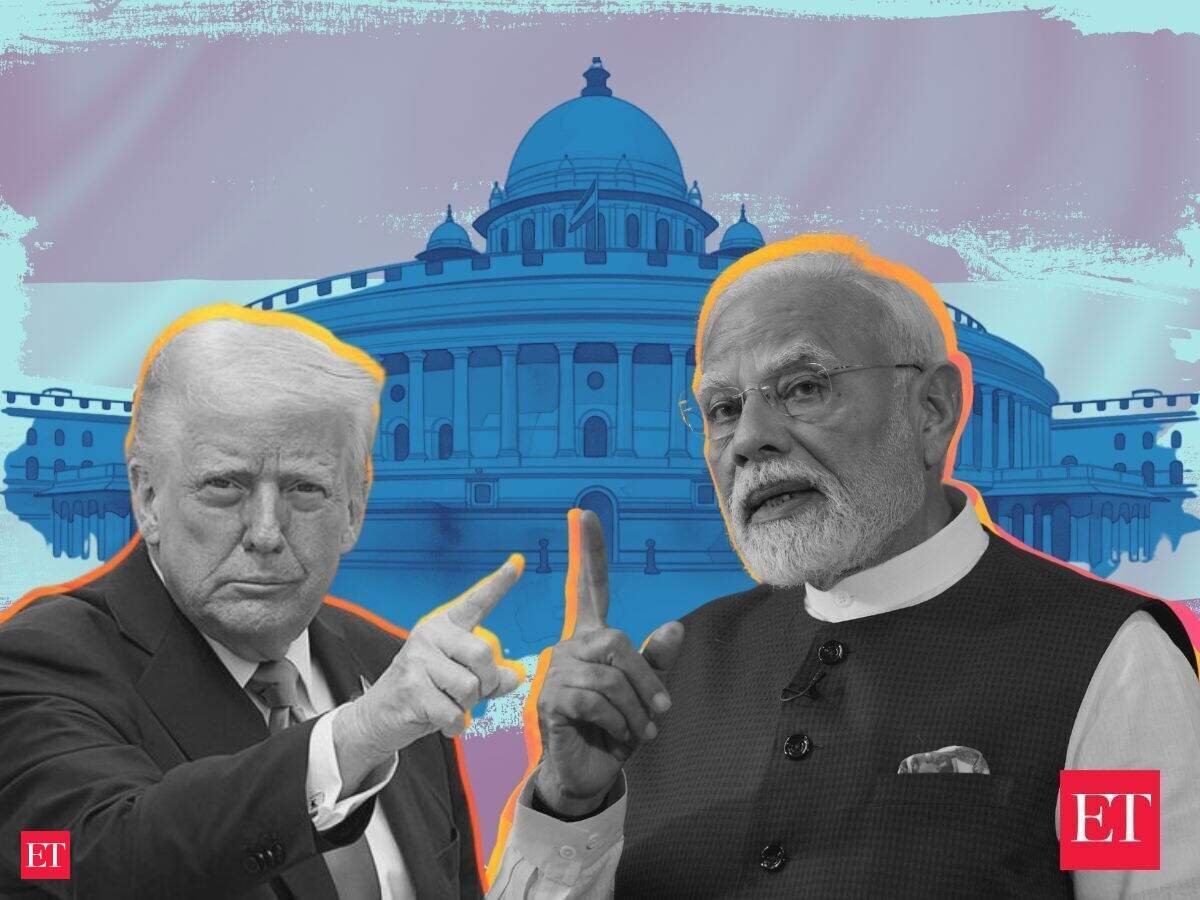
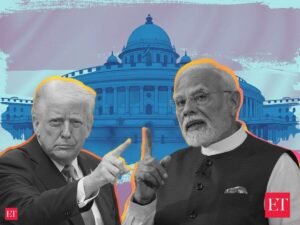
Proposed tariffs of 25% on India could drop to 17% if the two sides reach an agreement on reciprocal trade, the office of the US Trade Representative (USTR) said.
 ET Bureau
To be sure, the US remained India’s top export destination in the first seven months of this fiscal year, with outbound shipments at $59.52 billion, compared with $52 billion in April-October FY26.
Terming “unreasonable acts, policies, and practices” that “burden or restrict US commerce”, the office of the USTR proposed 25% tariffs for India.
These are higher than the 15% proposed tariffs levied on Japan, South Korea, Switzerland, Taiwan, and the EU, 18% on Indonesia, Malaysia, Thailand, and up to 20% on Bangladesh, Cambodia, China, and Singapore.
Only Vietnam faces 35% tariffs, higher than India’s, after the US concluded its probe against multiple trading partners across continents.
As per the USTR, India’s unreasonable acts, policies, and practices include industrial plans to expand manufacturing; inadequate labour protections; financial repression policies; sustained market access barriers; and failure to address global excess capacity and production, including through imports and foreign direct investment from non-market economies.”The Trade Representative proposes that appropriate action to obtain the elimination of the acts, policies, and practices would include applying tariffs of up to 25% on all goods of India, net of existing Section 301 tariffs, with exemptions for certain goods,” the order by the USTR said.
It concluded that India’s acts, policies, and practices “create, sustain, or contribute to structural excess capacity” that burden or restrict US commerce by harming U.S. producers and exporters through unfair competition and reduced commercial opportunities, harm the US economy due to lost exports, trade deficits, and a diminished manufacturing sector, and create economic security risks for the U.S.
The commerce and industry ministry, in a statement, said that India has taken note of the Notice of Determination and Request for Comments issued by the USTR and that the notice is currently under examination.
New Delhi said it is committed to working closely with the US for an early conclusion of a bilateral trade agreement (BTA) while rejecting Washington’s allegations.
“It has been India’s position that any trade-related concerns should be addressed within the framework of these negotiations,” India stated, adding that it engaged “constructively” throughout this investigation.
“In response to the Notice of Initiation and in subsequent proceedings, the Department of Commerce stated that India does not have structural excess capacity in any sector,” it added.
The USTR has identified six areas of concern, including government-backed industrial plans such as Make in India and production-linked incentive (PLI) programmes; inadequate labour protections; financial policies that suppress interest rates; sustained market access barriers; and rising imports and investments from non-market economies, particularly China.
It also flagged sector-specific policies in steel, solar, healthcare and information and communications technology (ICT).