

 rahulNovember 24, 20264 Mins read1
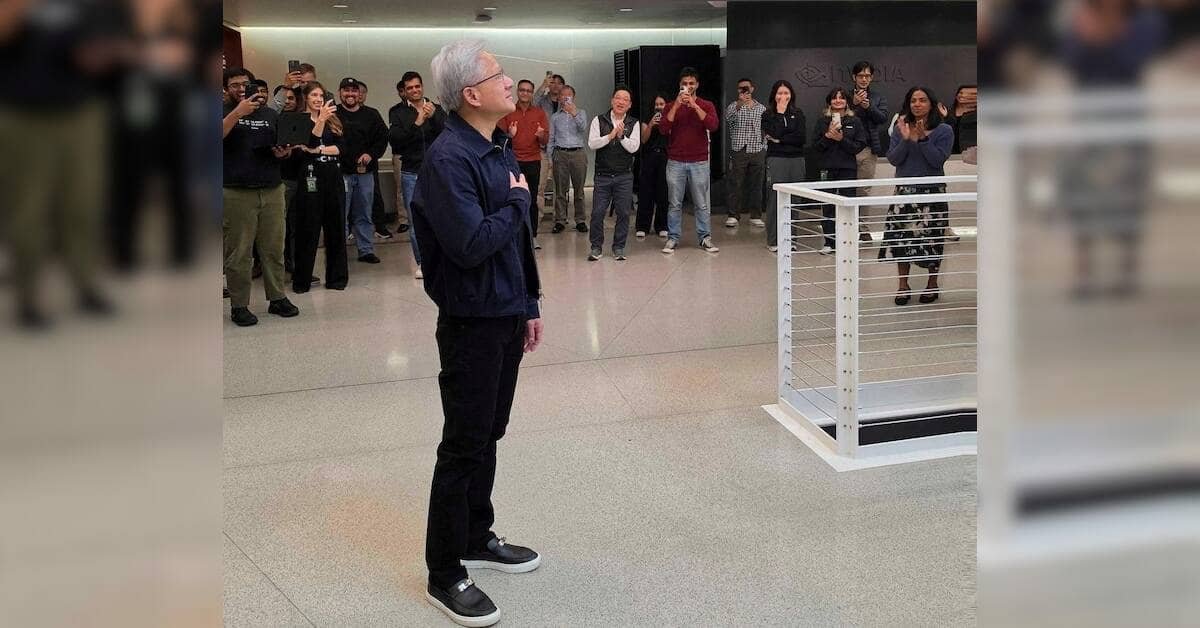
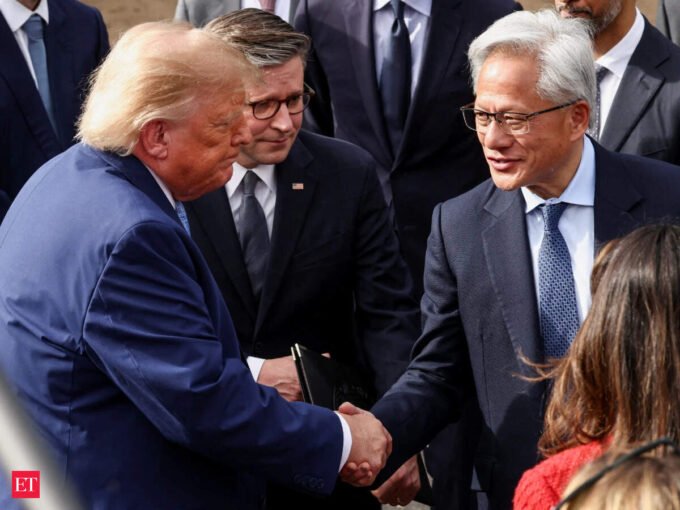
Jensen Huang is back at Nvidia, just 11 days after resigning as president and chief executive of the chipmaker he co-founded in 1993. On November 23, Nvidia’s board unanimously reinstated Huang, reversing its earlier decision to accept his resignation and look for a permanent successor. An independent investigation into reports that Huang had been targeted by a foreign intelligence effort will continue, the company said in a statement.
This is not the first time a company has brought back its former chief executive. In the past, such decisions were taken when succession plans faltered, business performance weakened or boards concluded that an experienced leader was better placed to navigate a difficult period.
From Steve Jobs’ return to Apple after 12 years to Sam Altman’s reinstatement at OpenAI following a boardroom revolt, here are prominent examples of business leaders who reclaimed the top job.
Jensen Huang: Nvidia
Departure: November 12, 2026
Return: November 23, 2026
Huang later said he was open to returning if the board felt it was in the company’s interest. Though the board initially ruled this out, it reversed its decision on Monday and unanimously reinstated him to all three roles after discussions and government input.
Sam Altman: OpenAI
Departure: November 17, 2023
Return: November 29, 2023
The board removed Altman as CEO in November 2023, triggering a crisis that threatened to split the artificial intelligence start-up. The board said Altman had not been consistently candid with directors. Co-founder Greg Brockman also left the board, while several employees threatened to quit in protest.
Microsoft, OpenAI’s largest strategic investor, offered both men roles leading a new AI research team. But employee pressure and negotiations with the board led to an agreement for Altman’s return within four days of his removal. OpenAI formally announced his reinstatement on November 29, along with a reconstituted board.
Steve Jobs: Apple
Departure: 1985
Return: 1997
Steve Jobs’ return to Apple remains one of the best-known corporate comebacks. The company’s co-founder left in 1985 after a power struggle with then chief executive John Sculley and the board. Jobs went on to establish computer maker NeXT. Apple acquired the company in 1996, bringing him back. He became interim CEO in 1997 and took over the role permanently in 2000.
Apple was struggling when Jobs returned, with falling market share and an unwieldy product portfolio. He streamlined the business and sharpened its product focus. The launch of the iMac, iPod and iPhone went on to transform Apple’s position in the technology industry. Jobs remained CEO until August 2011, when he resigned and was succeeded by Tim Cook.
Michael Dell: Dell Technologies
Departure: 2004
Return: 2007
On January 31, 2007, Dell announced that Michael Dell would return as CEO, replacing Rollins. The board said his vision and leadership were key to restoring the company’s position in the technology industry.
He later led Dell’s expansion beyond personal computers, including its acquisition of the tech giant EMC in 2016, which helped create Dell Technologies.
Bob Iger: Disney
Departure: 2020
Return: 2022
Bob Iger’s return to Disney came after a difficult period under his successor, Bob Chapek. Iger had led the company for 15 years before handing over the CEO role to Chapek in February 2020. He remained executive chairman until December 2021, after which Chapek took charge without Iger’s direct involvement in day-to-day management.
By November 2022, Disney was facing mounting pressure, including losses in its streaming business and concerns over profitability.
On November 20, 2022, the board announced that Iger would return as CEO with immediate effect, replacing Chapek. It said he was best placed to steer the company through industry changes, restore growth and plan for succession.
Iger’s return was initially set for two years. He later agreed to stay until the end of 2026, extending his tenure as Disney worked on a succession plan.
Howard Schultz: Starbucks
First departure: 2000
First return: 2008
Second return: 2022
Howard Schultz has returned to Starbucks as CEO more than once. He stepped down in 2000 but remained associated with the company as chairman and in other leadership roles. He returned as CEO in January 2008, replacing Jim Donald, as Starbucks sought to revive its customer experience and refocus the business.
Schultz remained in the role until April 2017, when Kevin Johnson took over. In March 2022, Starbucks announced that Johnson would retire and Schultz would return as interim CEO while the board looked for a permanent successor. He took charge in April and remained until March 2023, when Laxman Narasimhan became CEO.
Jack Dorsey: Twitter
Departure: 2008
Return: 2015
Jack Dorsey co-founded Twitter in 2006 and became its first CEO. He was replaced by fellow co-founder Evan Williams in October 2008 amid concerns over his management style and leadership of the company. Dorsey remained chairman.
He returned as interim CEO in July 2015 after Dick Costolo stepped down. Twitter confirmed him as permanent CEO in September that year. Dorsey led the company until November 2021, when he stepped down and was succeeded by Parag Agrawal. During his second stint, Twitter expanded its advertising and subscription businesses and stepped up efforts to improve monetisation.
Larry Page: Google
Departure: 2001
Return: 2011
Page handed over the CEO role to Eric Schmidt in 2001, remaining president of products. He returned as CEO in April 2011, replacing Schmidt, as Google sought to streamline decision-making and strengthen its focus on products. He stepped down again in 2015, when Sundar Pichai took over.
Sergio Ermotti: UBS
Departure: 2020
Return: 2023
Ermotti led UBS from 2011 to 2020 before stepping down and being succeeded by Ralph Hamers. He returned as CEO in April 2023, as UBS prepared to integrate Credit Suisse following its emergency takeover. This is a particularly useful example of a former CEO being brought back to manage a major corporate crisis.
A G Lafley: Procter & Gamble
Departure: 2009
Return: 2013
Lafley led P&G from 2000 to 2009 before handing over to Bob McDonald. He returned as chairman, president and CEO in May 2013, replacing McDonald, as the consumer goods company sought to revive growth and improve performance.