
 rahulNovember 23, 20261 Mins read1
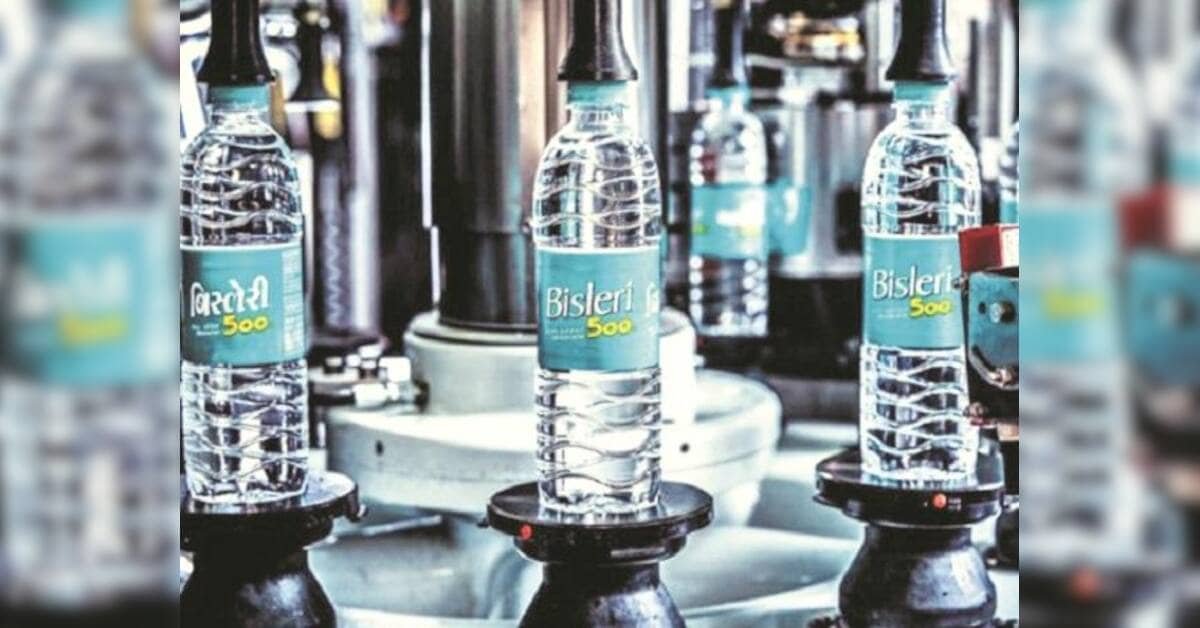
Bisleri International has said drinking water safety remains a priority for the company after the Food Safety and Standards Authority of India (FSSAI) sanctioned prosecution against the packaged drinking water major, according to a statement issued on Monday.
Bisleri also said in its statement, “We maintain stringent quality controls of over 90 tests across our 10-step manufacturing process and will continue to cooperate with FSSAI to address the matter through the appropriate regulatory process.”
In its statement on Instagram, the food regulator said a regulatory sample of packaged drinking water (other than mineral water) was collected from the company’s premises and added that the sample was found to be non-compliant with the prescribed bromate limits and declared unsafe under the FSS Act, 2006.
The company said the matter dates back to a batch produced in September 2025 at its Goa manufacturing facility, one of 143 plants in its network.
On September 30, 2025, FSSAI collected six samples from the facility. Initial testing found that five samples met all applicable standards, while the sixth recorded bromate levels of 12 micrograms per litre against the prescribed limit of 10 micrograms per litre.
Following Bisleri’s appeal dated November 22, 2025, FSSAI sent the sample to a referral laboratory for retesting. The referral laboratory found bromate within the prescribed limit but separately flagged polynuclear aromatic hydrocarbons (PAHs) in the sample, the company said.
Bisleri said the difference between the two test results raised questions that warranted clarification. It subsequently arranged for the same sample to be tested independently at an FSSAI-approved laboratory, which also found bromate levels within the prescribed limit.
The company said it submitted the independent test results to FSSAI’s Western Regional Office through a formal letter dated February 2, 2026. It received no further communication from the regulator thereafter and understood the matter to have been closed. Bisleri added that it had not received any notice by email or in hard copy and had been unable to locate the reported notice on FSSAI’s website.
“We maintain stringent quality controls of over 90 tests across our 10-step manufacturing process and will continue to cooperate with FSSAI to address the matter through the appropriate regulatory process,” the company said.
FSSAI also said that, upon appeal by the company, the sample was referred to the Referral Food Laboratory, which also declared it unsafe due to the detection of polynuclear aromatic hydrocarbons (PAHs).