


 rahulNovember 20, 20261 Mins read6
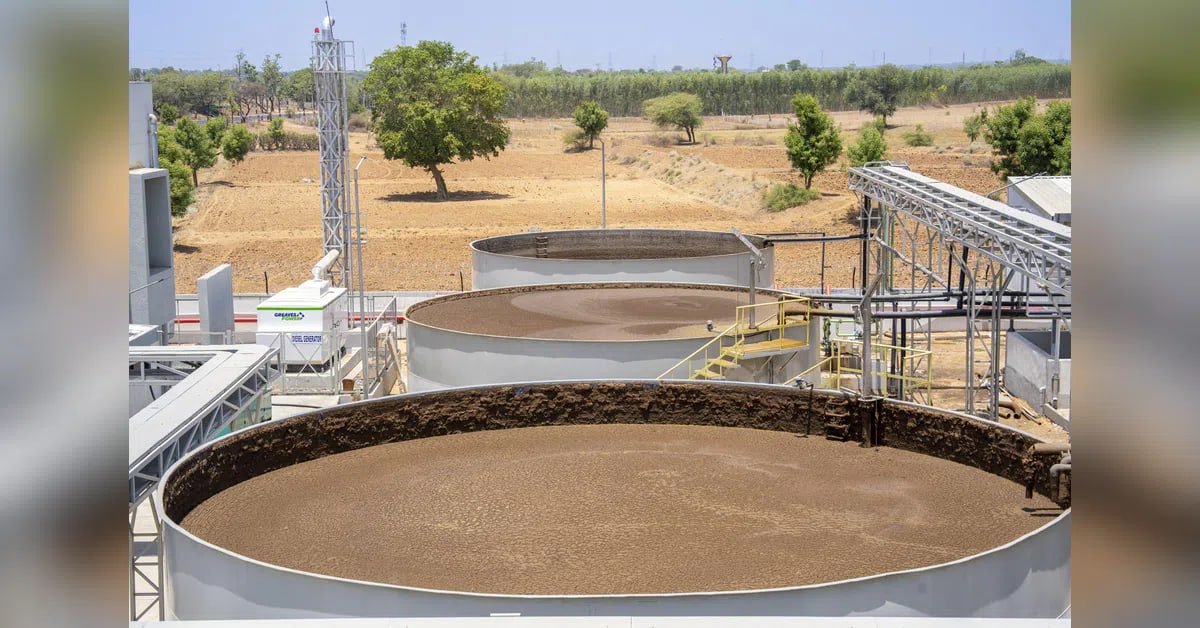
Renewable energy platform TrueRE Oriana Power announced that it will set up five compressed biogas (CBG) projects with a combined production capacity of 110 tonnes per day (TPD) at an investment of ₹750 crore.
The company has already registered and obtained approvals under the GOBARdhan scheme of the Ministry of Petroleum and Natural Gas, and the five plants will be set up in Uttar Pradesh, Madhya Pradesh and Gujarat within the next two years.
These plants will strengthen the company’s presence in the green fuels segment as part of its strategy to build a diversified clean energy portfolio spanning generation, storage and consumption, it said.
“We view alternative fuels like green hydrogen, ammonia, and CBG as high potential emerging opportunities. In the next few years, we will continue to invest strategically to further increase our total production capacity,” said Rupal Gupta, managing director and chief executive officer, TrueRE Oriana Power.
The company has already delivered two projects with a capacity of 21 TPD each in Uttar Pradesh and Maharashtra. Beyond CBG, it is also advancing its presence in green hydrogen and its derivatives.
It has secured a 10,000-tonne-per-annum green hydrogen production award under the Strategic Interventions for Green Hydrogen Transition (SIGHT) programme and a separate award for the production and supply of 60,000 metric tonnes per annum of green ammonia. The green ammonia project has progressed through land identification and preliminary front-end engineering and design activities.
The company recently won the largest allocation in Maharashtra State Electricity Distribution Company’s 2,000-megawatt/4,000-megawatt-hour (MWh) battery storage tender. With this win, the company’s total battery energy storage system (BESS) portfolio stands at 2.5 gigawatt-hours (GWh), with an additional pipeline of 4 GWh.
By 2030, the company is targeting 6 gigawatts (GW) of solar engineering, procurement and construction (EPC) capacity, 2.5 GW of solar independent power producer (IPP) capacity, 20 GWh of BESS capacity and 1 million tonnes per annum of e-fuels capacity.