


 rahulNovember 19, 20262 Mins read1
Both issues that may impact a large number of EPS pensioners can come up for discussion, even as a Times of India report said that the Employees’ Provident Fund Organisation (EPFO) has asked its officers to aggressively contest High Court rulings about higher EPS pension.
Can CBT discuss higher EPS pension issue?
For a long time, individuals and employee associations have been demanding that court rulings, including the famous November 2022 Supreme Court ruling in Sunil Kumar’s case, which allows higher EPS pension for eligible employees, should be implemented uniformly.
For most EPS members, employers contribute to their EPS funds at a maximum of the wage ceiling. Under the current wage ceiling of Rs 25,000, the maximum monthly EPS contribution from the employer’s side is Rs 2,083.
However, in November 2022, the Supreme Court allowed eligible applicants to contribute to the EPS at their actual basic salary. As per the EPFO rule, those who qualify for a higher EPS pension deposit money into their EPS account to match the contribution required for a higher pension.
Even though the Supreme Court ruling came four years ago, till March 31, 2026, only 1,49,806 pension payment orders (PPO) for higher EPS pension were issued.
BN Agrawal, president, National Confederation of Pensioners’ Association (NCPA), who has long been demanding equal treatment to employees from exempted establishments in higher EPS pension cases, says that EPFO’s own Legal Framework Document (LFD) prescribes norms for avoiding recurring and habitual litigation.
“Article 141 and 144 of the Constitution mandate compulsory compliance with the decisions of the Supreme Court by all the government departments. The EPFO, by not complying with the settled decisions of the Supreme Court, is in contempt of the Court,” says Agrawal.
As per the TOI report, to fight legal challenges arising from court rulings, field offices have been given standard defence templates and told to cite the SC’s November 2022 judgement to secure division-bench stays against adverse single-judge orders and seek swift disposal.
Minimum pension increase
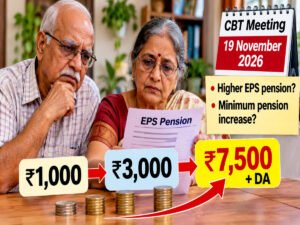
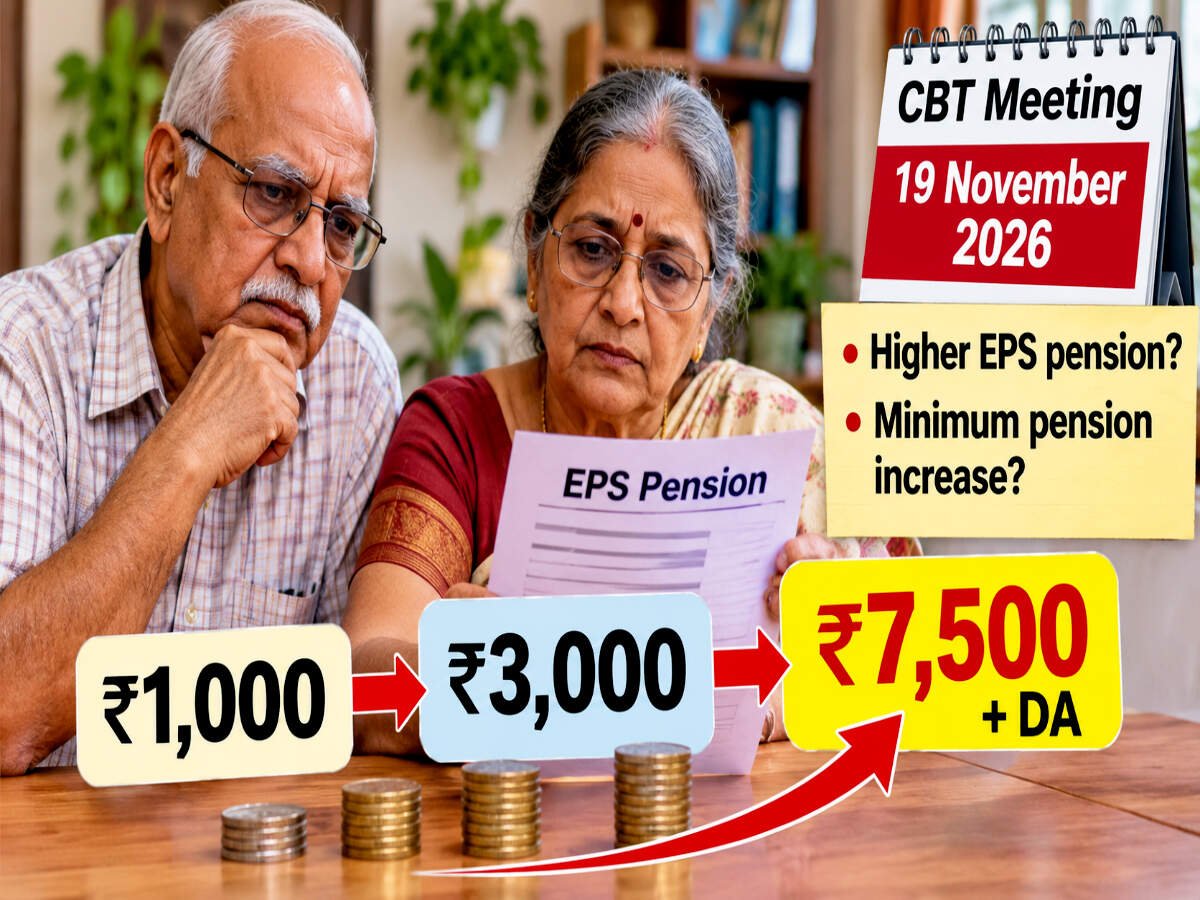
In its November 19 meeting, the CBT can reportedly discuss increasing the minimum EPS pension. A report recently said that the EPFO may increase the minimum EPS pension from Rs 1,000 to Rs 3,000.
The EPS-95 National Agitation Committee (NAC), which represents EPS-95 pensioners across India, is on a hunger strike and is asking the government to increase the minimum pension to Rs 7,500 plus dearness allowance (DA).
EPS pensioners get their monthly payout on the basis of their pensionable service and pensionable salary. But the problem is for pensioners who had low wages throughout their working years. Many such pensioners might not have been eligible to get even Rs 1,000 monthly EPS pension. However, they get at least Rs 1,000 a month since it is the minimum EPS pension limit set by the government.
Not just that, many employees who contributed to the EPS-95 scheme at prescribed wage ceilings get Rs 3,000-Rs 5,000 monthly payouts, says Agrawal.
Such pensioners say that Rs 1,000, Rs 3,000 or Rs 5,000 is too little an amount to sustain in any part of India. So, they demand that the government increase the minimum EPS pension to at least Rs 7,500.
However, it is yet to be seen whether the CBT discusses these two issues in the meeting and takes a decision that helps a large number of EPS pensioners in the country.