



 rahulNovember 17, 20261 Mins read3
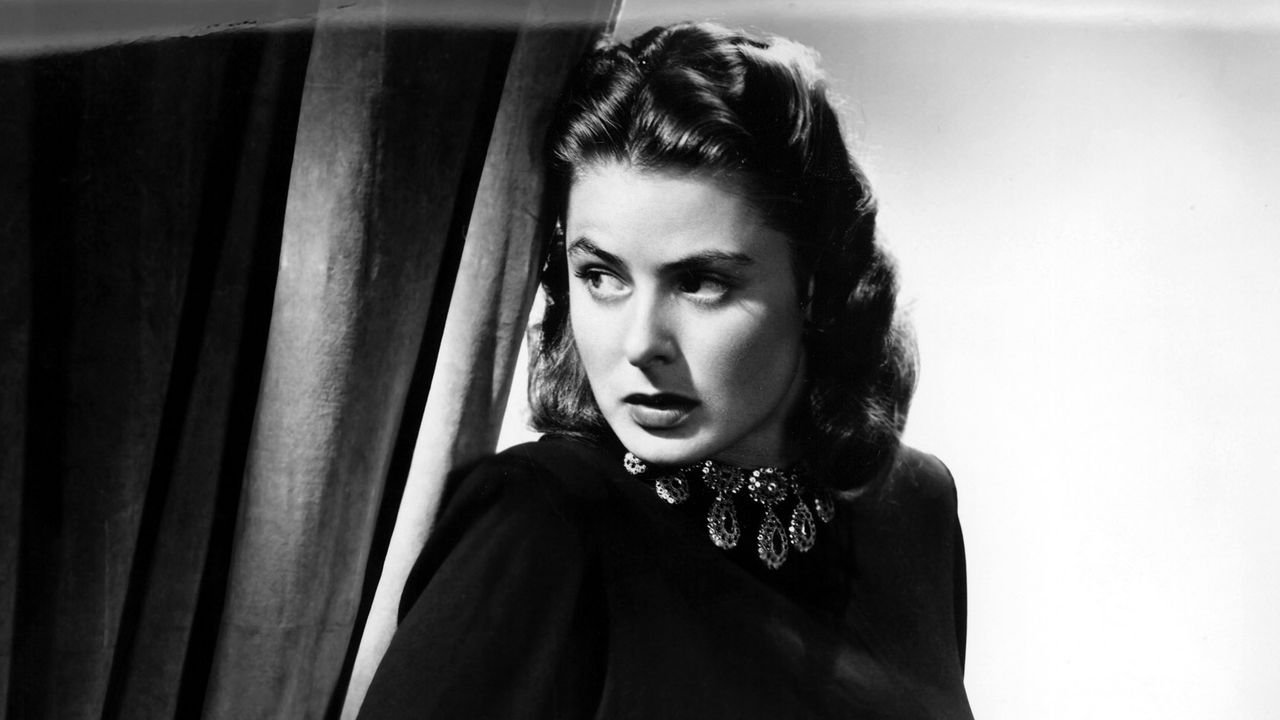
This Dutch exotic dancer and courtesan—who was born Margaretha Geertruida MacLeod in 1876— helped typify the concept of the femme fatale by seducing a wide variety of high-ranking military officers, including Prussian Crown Prince Wilhelm, German Major Arnold Kalle, Russian Captain Vadim Maslov, and former French Minister of War General Adolphe-Pierre Messimy. Hari was ultimately executed by a French firing squad in 1917 after a military court convicted her of spying for Germany during World War I, allegedly saying in her own defense: “A harlot? Yes, but a traitoress, never!”
Thorpe, also known as Betty Pack, Betty Thorpe, Elizabeth Pack, and Amy Brousse, was an Anglo-American spy who worked for MI6 (the British Secret Intelligence Service) and whose targets included the Polish foreign minister’s chief of staff Count Michał Łubieński, Italian naval attaché Admiral Alberto Lais, and Vichy French Embassy press attaché Charles Brousse. When a biographer asked Thorpe if she felt ashamed of using seduction as a means of gathering military intelligence, Thorpe responded: “Ashamed? Not in the least. My superiors told me that the results of my work saved thousands of British and American lives… It involved me in situations from which ‘respectable’ women draw back… [but] wars are not won by respectable methods.”
During the Cold War, the Soviet KGB deployed what it called “Mozhno girls” to befriend or seduce foreign targets in Moscow in order to gather intelligence. (Their name came from the Russian word mozhno, meaning “it is allowed”—a reference to the women’s special dispensation to break Soviet rules about intimate contact with foreigners; Jennifer Lawrence played one such figure in the 2018 spy thriller Red Sparrow.) Mozhno girls like Violetta Seina—the double agent who seduced Marine Security Guard Clayton Lonetree at the annual Marine Corps Ball in 1985—were most active under Joseph Stalin.