


 rahulNovember 15, 20262 Mins read1
ALSO READ: Jensen Huang to return as Nvidia CEO?
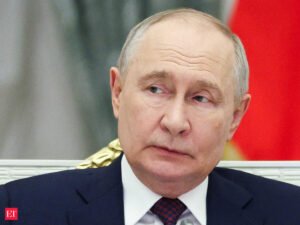
A document drawn up by Russian negotiators has listed the set of sweeping conditions that Moscow wants fulfilled before it agrees to peace. These conditions include forcing Britain and France to withdraw their nuclear protection from other European countries. The demands are contained in a paper dated November 10 and were obtained by The New York Times from a person involved in the negotiations. The Kremlin’s policy document demands that NATO withdraw its forces from Eastern Europe and the Baltic states, remove Finland from the alliance and pledge not to deploy troops to Ukraine before Vladimir Putin considers a ceasefire.
The proposal also calls for an end to the “supply of any type of Western weapons and military equipment and products to Ukraine” and seeks to block the war-torn country from joining NATO. Under the proposed terms, Russia would retain the Ukrainian territories it has occupied during the war, securing control over large parts of the country.
ALSO READ: Airplane crash at Miami airport
The document reportedly calls for NATO forces to withdraw to positions held in 1997, before the alliance expanded into eastern Europe and the Baltic states. It also demands an end to Western military assistance to Ukraine, including the supply of weapons and military equipment, and insists Kyiv must abandon its ambition to join NATO. One particularly significant demand concerns Britain’s Trident nuclear deterrent.
Moscow had put similar demands in December 2021 just months before launching its full-scale invasion of Ukraine in February 2022. Russia has also suggested it could accept Ukraine joining the European Union, provided Kyiv stays out of the bloc’s common defence arrangements.The conditions would impose significant limits on Ukraine’s future security while forcing Western countries to reduce their military support and commitments. The demands by Moscow come at a time when countries are engaged in diplomatic efforts and conversations to end the Russia-Ukraine war. The Russian, Ukrainian and US representatives held talks in Abu Dhabi earlier this month. However, the latest document indicates that Moscow remains focused on securing major concessions rather than simply reaching an agreement to end the fighting.
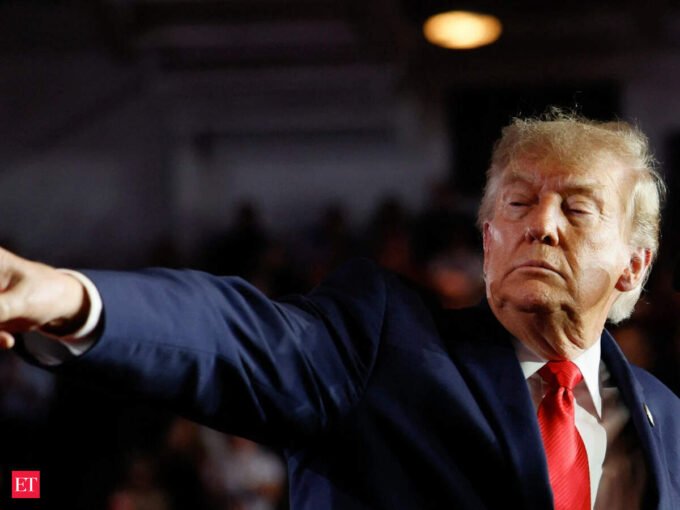
The proposals also come amid growing concerns across Europe about the reliability of the United States as a NATO ally under Donald Trump. European leaders have become increasingly uneasy about the Trump administration’s commitment to the alliance, particularly after the US President repeatedly questioned NATO’s value and urged European members to increase defence spending.
There are also concerns that Trump is increasingly leaning towards the Kremlin in its dealings with Ukraine rather than offering firm support to Volodymyr Zelensky. Trump has repeatedly criticised Zelensky, while his administration has continued negotiations with Moscow over the future of the conflict.
This has raised concerns that Vladimir Putin could exploit divisions between Washington and its European partners to secure concessions that Moscow has sought for years.