

 rahulNovember 13, 20261 Mins read1
Members of Congress from both parties want answers. Democrats have launched an investigation into how the Commerce Department vetted Chinese companies approved to buy AI chips. Republicans are also questioning the administration’s approach.
And Jensen Huang’s departure has not eased the pressure.
Republican representative John Moolenaar, who chairs the House Select Committee on China, said it was in the national interest for Nvidia and other American AI firms to succeed, but that companies “should never jeopardise our nation’s security” by giving Chinese firms access to their most advanced chips.
Senator Elizabeth Warren, the top Democrat on the Senate Banking Committee, said Huang’s resignation did not absolve him of responsibility, and urged Lutnick to explain why export control loopholes remain open.
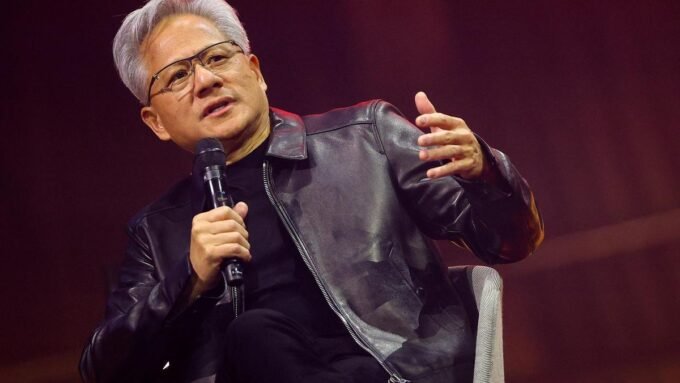
Meanwhile Jensen Huang’s team told Republican lawmakers on Wednesday that he plans to cooperate with their request to testify behind closed doors.
The White House has not responded to the BBC’s request for comment.
It has, however, told the New York Post that Trump has complete confidence in Lutnick, describing him as “the most transformative commerce secretary in modern history”.
That is a fairly emphatic show of support, particularly amid reports that officials are weighing whether Lutnick should be forced out.
There are some obvious questions. If Lutnick had indeed been warned about the risks, why did his department fail to act? And if other senior officials were indeed pressing for action, why did it take so long?
The BBC has contacted the Commerce Department for comment. But there is an even bigger question for Trump.
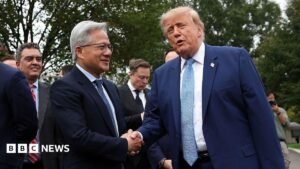
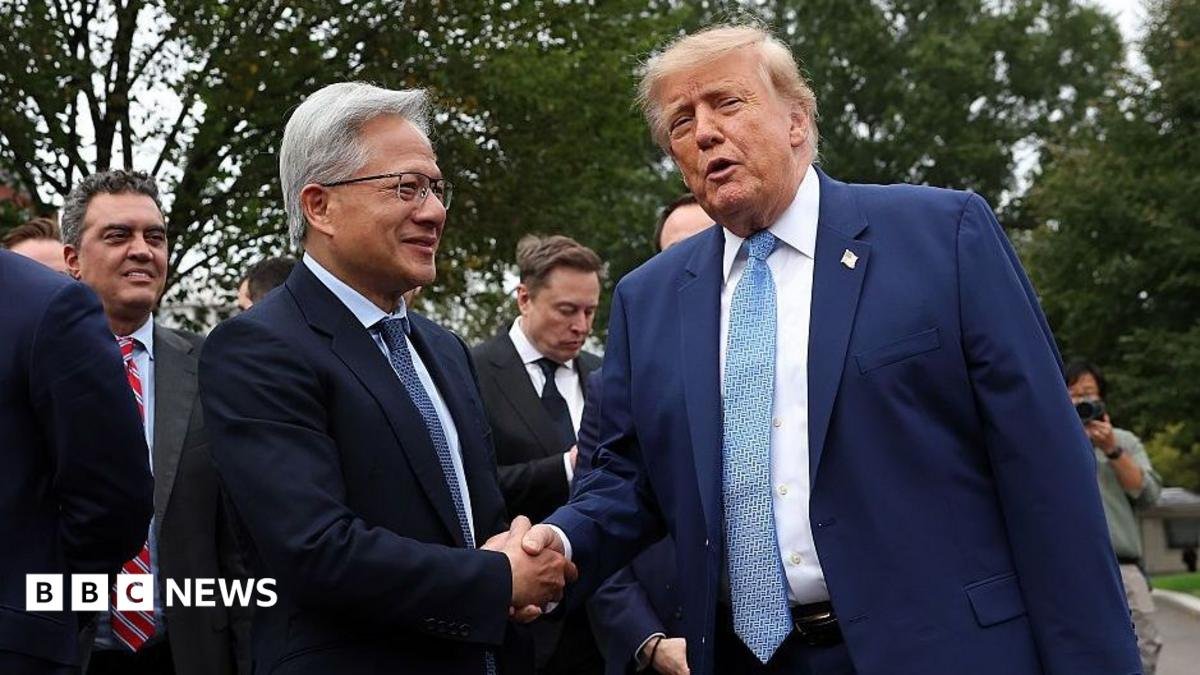
The president cultivated a close relationship with Huang. He was directly involved in decisions about chip sales to China. And, according to reporting in the New York Times, he was briefed on the intelligence concerns.
This is becoming difficult to dismiss as the misjudgement of one businessman or one government department.
Jensen Huang’s personal life may have triggered the crisis, but the questions now reach into the White House itself. How much influence did he have? What did the president know? And who was ultimately responsible for protecting America’s most sensitive technology?