


 rahulNovember 13, 20261 Mins read1
By Saikat Das
The power arm of Jindal Group has signed an offshore loan of about $470 million to help fund a power project in Botswana, according to people familiar with the matter, as one of India’s largest conglomerates boosts its footprint in the African nation.
A group of three Indian lenders — Axis Bank Ltd., ICICI Bank Ltd. and Export-Import Bank of India — provided the nine-year door-to-door facility to Jindal Power Ltd., the people said, asking not to be identified because the information is private. The loan is being syndicated with some global institutional lenders expected to join, the people said.
The financing highlights the growing overseas ambitions of Indian energy companies as they pursue opportunities in markets where rising electricity demand is driving investment in generation and transmission infrastructure. Jindal Power raised about $500 million in an earlier round of financing in February meant for its expansion abroad.
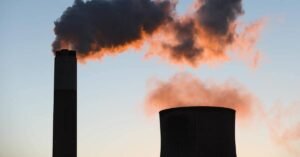
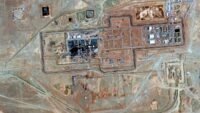
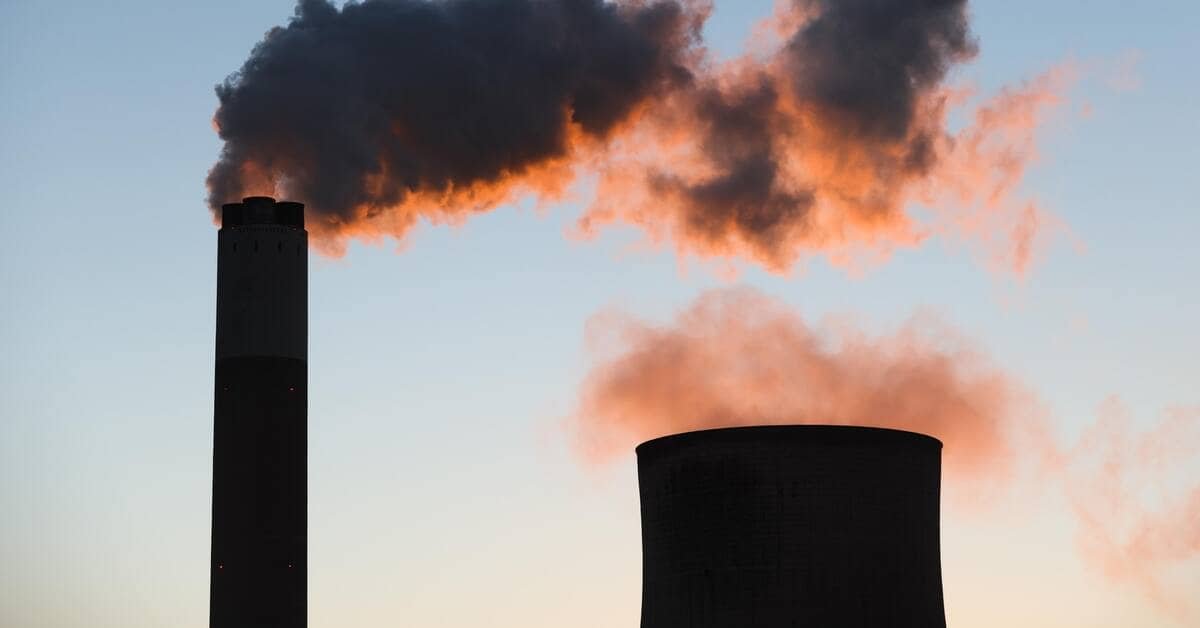
Jindal Power built a 700-megawatt coal power plant in Botswana that is scheduled for commissioning next month, according to its website. Mining operations in the Southern African nation are big electricity consumers and Botswana has been hoping to use its coal resources, estimated at more than 200 billion tonnes, to build a petroleum fuels industry to reduce its reliance on imports from South Africa and Namibia. Botswana owns 15% of the world’s biggest diamond miner, De Beers.
The loan facility is priced at about 300 to 325 basis points over the benchmark Secured Overnight Financing Rate, the people said. The borrowing cost is expected to decline after the project is commissioned, they added.
Representatives from Jindal Power, Axis Bank, ICICI Bank and the Export-Import Bank of India did not reply to requests seeking comment.
Indian borrowers have raised $24.2 billion through foreign-currency loans so far this year, about 8% lower from a year ago, according to data compiled by Bloomberg, as elevated hedging costs have deterred some companies from tapping overseas debt markets.
Jindal Power, however, benefits from a natural hedge because the African project’s revenues are expected to be denominated in, or linked to, foreign currency, reducing its exposure to exchange-rate swings.