


 rahulNovember 12, 20263 Mins read1
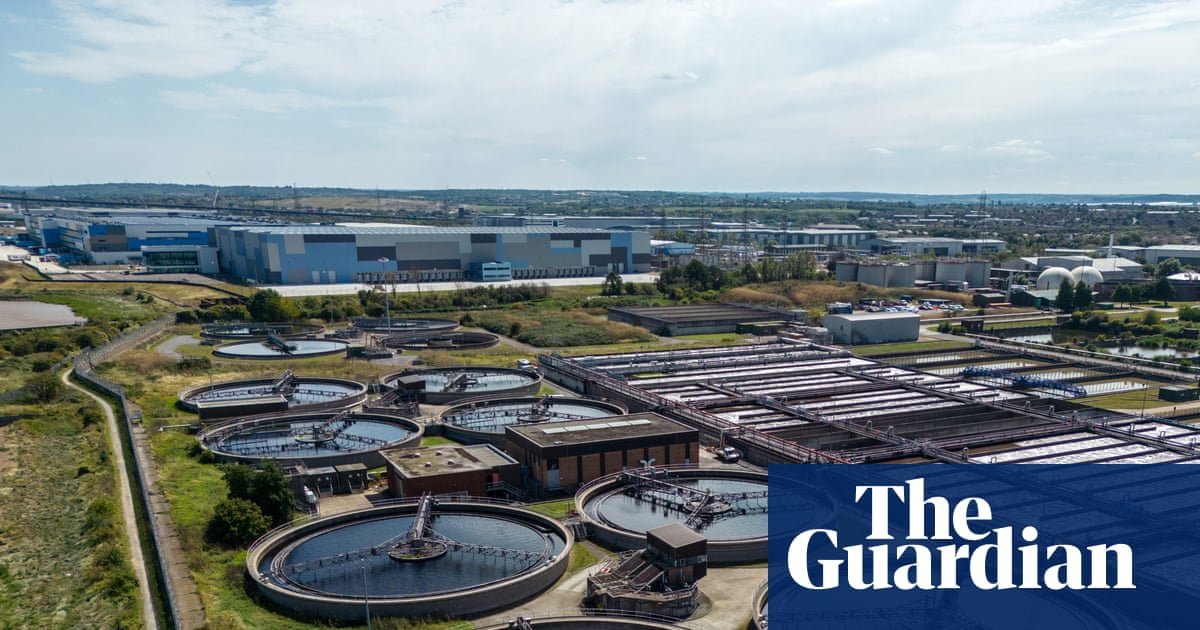
The water company bonus ban is set to be tightened after the regulator accused the industry of a risk of “damaging public trust” with large payments to bosses that appeared to get around the rules.
Anglian Water was singled out for particular criticism over “retention payments” worth up to £800,000 for chief executive Mark Thurston despite the bonus ban. Anglian will face increased monitoring of its governance arrangements because of the controversial payments.
Angela Eagle, the environment secretary, said she wanted to “close loopholes” so that “failure doesn’t pay”.
Nine water companies in England and Wales – including Thames Water and Yorkshire Water – were banned from paying bonuses for the 2025-26 financial year, the regulator Ofwat said on Thursday. Seven of the bans related to environmental pollution.
The Labour government introduced the bonus ban last year amid public outrage over sewage leaking into Britain’s rivers and seas. Yet water company bosses’ pay has risen in the past two years despite the ban, according to Guardian analysis.
Campaigners and opposition politicians have argued that companies are circumventing the ban through a variety of payments which are not “performance-related” – but which effectively replace the banned bonuses.
Ofwat on Thursday said it would accelerate a review into the rules, over concerns that companies were deliberately “undermining” the ban. It is understood that the review will also consider whether payments from water companies’ parent companies should be included in the ban.
The regulator said: “The growing use of fixed so-called ‘retention payments’ and substantial increases in base pay without sufficient explanation or supporting evidence risks damaging public trust and creating a perception that companies are circumventing the rule.”
Anglian’s payments to Thurston “could give the impression the company had prioritised offering executive directors a cash award in a way that would not technically breach the rule and would in practice replace the loss of PRP [performance-related pay] prohibited by it,” Ofwat said.
As well as Anglian, Ofwat highlighted potential retention payments of £1m for Thames Water’s chief financial officer, £1.5m for Northumbrian Water chief executive Heidi Mottram, and £1.7m for Louise Beardmore, the chief executive of United Utilities.
Andy Burnham is under pressure to clamp down on the water industry. He has said he wants to exert “more public control” over the water industry, although he is yet to give details. He is yet to make a decision on whether to move Thames into temporary government ownership after years of financial struggles and mismanagement, months after suggesting he might do so.
Thames Water paid its chief executive, Chris Weston, a previously deferred bonus of £99,000 during the year, despite the ban. Ofwat said that Thames Water’s future owners would have to pay for the bonus, rather than the money coming from customer bills. Thames was also criticised for raising executives’ base pay.
The other companies banned from paying bonuses were Severn Trent Water, Southern Water, South West Water, Wessex Water and Dŵr Cymru (Welsh Water). Ofwat said they would have paid out another £6.5m to executives during the year had the ban not been in place.
after newsletter promotion
Eagle said: “People are sick of seeing water bosses profit while rivers are polluted and customers are repeatedly let down. A wide-ranging review launching today will ensure that failure doesn’t pay, whatever name the payment goes by.
“The bonus ban was the first step. Where there are loopholes, I want them closed.”
South East Water was not subject to the ban, but Ofwat said the company’s shareholders will have to pay for future bonuses after huge supply failures left tens of thousands of households without water during the financial year.
Helen Campbell, the interim executive director for delivery at Ofwat, said: “It is disappointing that so many companies continue to trigger the rule through serious performance failures which has seen £10m in payments blocked in the past two years.
“Public trust in the water sector remains low, and executive bonuses which do not reflect performance, use of retention payments and poorly explained increases in base pay contribute to that low trust. That is why we are accelerating our review to ensure the rule better delivers the outcomes customers rightly expect.”
Ofwat also criticised the paucity of information on pay reported by South Staffs Water.