How to prevent blood sugar spikes during festive season: 4 expert-backed ways
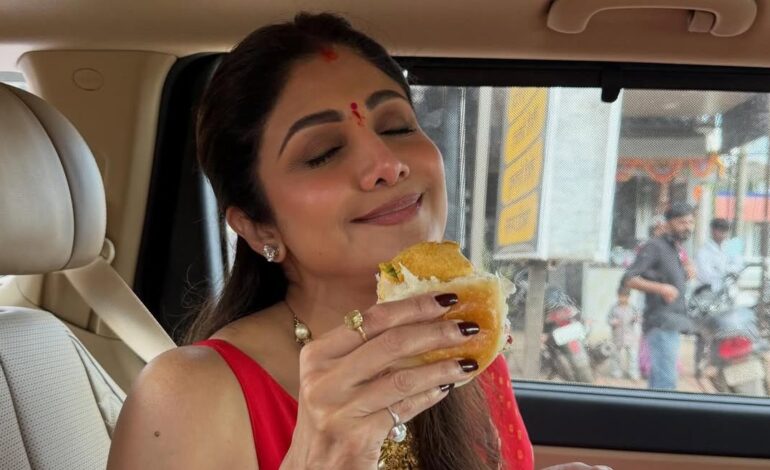

If you’re wondering how to prevent blood sugar spikes during festive season, it helps to first understand what festive eating actually looks like: a run of celebratory dinners, mithai boxes, late-night snacking, richer foods and disrupted routines, often repeated over several days. By the end of the week, that can leave you feeling sluggish, bloated and metabolically off-balance.
But enjoying festive food does not have to mean spending the next day compensating for it. According to Shradha Khanna, VP of nutrition and scientific affairs at Wellbeing Nutrition, a few simple habits can help keep blood sugar swings and digestive discomfort in check without taking the pleasure out of eating. Here’s how to prevent blood sugar spikes during festive season:
Don’t “save calories” for dinner
Skipping meals in anticipation of a big dinner often backfires. By the time you reach the party, you’re dealing with accumulated hunger rather than your ordinary appetite. “Do not save your calories for the party. That is probably one of the most common festive mistakes,” says Khanna. Instead, she recommends keeping breakfast and lunch relatively normal with adequate protein and fibre. Eggs, paneer, yoghurt, fruit, seeds, dal and vegetables can all help maintain satiety while supporting the gut microbiome.
If dinner is particularly late, even a small snack such as yoghurt, roasted chana or a protein shake can help. “The idea is not to fill yourself up so you eat less. It’s to arrive at dinner with your decision-making system intact,” she says.
Change the order in which you eat
You may not need to change what is on your festive plate — just what you eat first. Research on food sequencing suggests that consuming vegetables and protein before carbohydrate-rich foods can reduce the post-meal glucose rise.
Khanna suggests starting with salad, vegetables, raita, sprouts or a protein-rich dish before moving on to naan, rice, pulao or biryani. “Dessert can still be dessert. Nothing has actually been removed from the evening. You have just altered the sequence in which your body receives it,” she explains.
Move after the meal
A short walk after dinner may be one of the easiest ways to improve post-meal glucose control. “You do not need to ‘burn off’ your dinner,” says Khanna. “But physiologically, muscle is an extraordinary glucose sink.”
Walking around the building, dancing, helping clear the table or simply taking a phone call while walking can all count. Even 10–20 minutes of movement after eating can be useful. For Khanna, this is perhaps the most practical festive habit because it requires no calorie counting, weighing or food restriction.
Return to normal the next day
Trying to compensate for an indulgent meal with fasting, juice cleanses, extreme carbohydrate restriction or punishing workouts can create an unhealthy cycle of overeating and restriction. “One large meal does not require a physiological apology,” says Khanna.
Instead, the next day should be simple: hydrate, eat protein, fibre, fruit and vegetables, move normally and return to your usual routine.
Also read:
8 everyday habits that impact your blood sugar
What’s really spiking your blood sugar (and it’s not just dessert)
3 simple swaps that make a huge difference to blood sugar control for women