

 rahulNovember 8, 20264 Mins read1
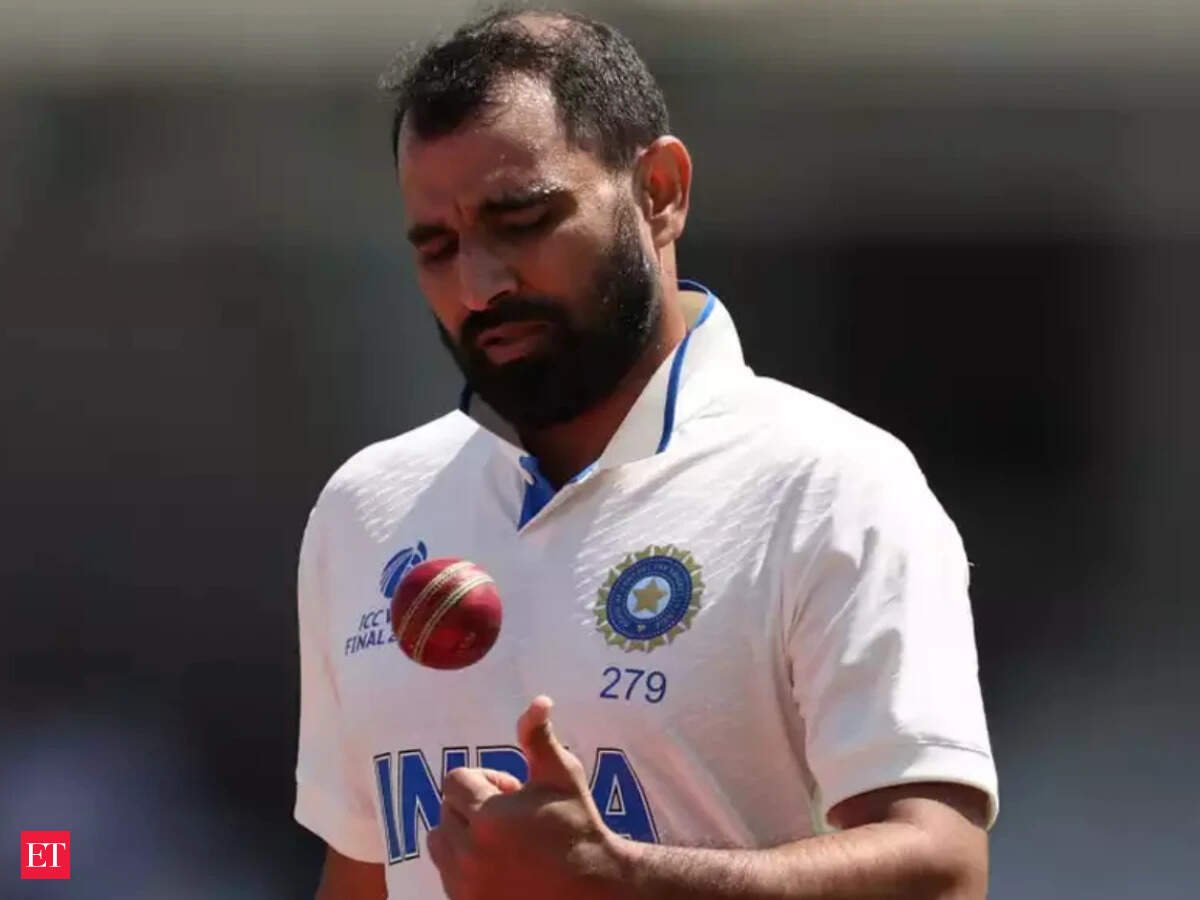
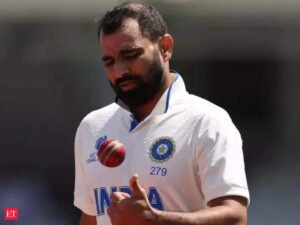
There was a point in time when every fast bowler in the world tried to copy Mohammed Shami’s wrist position. Some succeeded, but the ball didn’t respond the same way it did with Shami. Where he had it on a string, not controlling it as much as convincing it to do his bidding, others let it go in hope.
It’s the fast-twitch muscles that allowed him to run through the crease, finishing his action with explosive energy. It’s the strength in his thighs, built through hours of solitary toil in purposebuilt nets at his home in the dusty village of Amroha in Uttar Pradesh. It’s the rhythm derived from repetition, purposeful practice, and probing matchplay, they said. It’s in the genes; his father and brother were both fast bowlers.
They are all right, and they couldn’t be more wrong at the same time.
Shami does indeed possess all the attributes you look for in a fast bowler. Some were gifts he was born with, and others he developed through hard labour, the guidance of astute coaches, the advice of teammates, and the support of well-wishers.
But Shami was not built in a laboratory. You cannot take any promising kid, apply the resources and end up with Shami, or even a version of Shami.You cannot build into a body the resilience needed to bowl the seventh over of a spell on the fifth day of a Test match in sweltering heat with the game on the line.
You cannot coach a mind to the stillness needed to patiently set up a batsman at the top of his game, each delivery a companion to the one that preceded it, a sequence of events that the batsman is party to without knowing that he is about to become the victim of the exercise.
You cannot will into existence the stoutness of heart that marries intensity and purpose so singlemindedly that it can be summoned even when there is no light at the end of the tunnel.
Shami ends with 229 wickets in 64 Tests — statistically just outside India’s top five fast bowlers — but the numbers don’t tell the full story of his mastery or his value to the captains who had the luxury of tossing the ball to him when a partnership needed breaking.
On November 6, Shami ended a 13-year romance with red ball and white clothing, marking the anniversary of receiving his Test cap by hanging up his boots. Maybe numbers do mean something to him after all.
In the course of this journey, Shami was celebrated when he broke open games for India but also vilified when India lost to Pakistan, his commitment to the cause being unjustly questioned by the worst among us, simply because he is Muslim.
Shami had details of his personal life, some exaggerated, others fabricated, wrung out in public life because his celebrity could be exploited for vicarious gain by those of such a bent of mind.
Shami overcame the trauma of his body being broken by the unnatural effort of fast bowling and repeatedly rose again, only for time to eventually catch up with the 36-year-old whose body had aged far more than those years simply through the sheer wear and tear he had subjected it to.
Opponents have dissected Shami’s craft because their survival depended on it: but knowing why he did what he did or how was not always insurance against its efficacy. Teammates, especially aspiring young quicks, have examined his preparation and mindset, but that was no guarantee they could emulate him, even with his willing assistance. Experts have marvelled at Shami’s sustained excellence, the undeniable beauty of how he cruelly exposed batsmen before getting them out.
But fans, they have had it best. To be alive at the same time as Shami was to walk with him, even briefly, on his journey: to live through him the frustrations of failure, the rigours and demands of living in this world and to experience the beauty of a man in touch with his calling.
The greatest thing about Shami was not his wrist, his intelligence or his heart. It was that he did not intellectualise; he did not invoke the sentimental, he did not ask anything of his fans.
When Shami stood at the top of his mark, the ball, an inanimate sphere of string and leather and cork, came to life, and knew that its destination was the top of off stump. As he delivered the ball, the batsman realised he was not the hero of this stage, but merely another player. As the slip cordon rose to celebrate the wicket, the loop closed, and a great game was alive and well.
At his best, Shami was the beating heart of cricket, by just his being. For this truth, the game and those that love it owe him a debt of gratitude.