


 rahulNovember 7, 20262 Mins read1
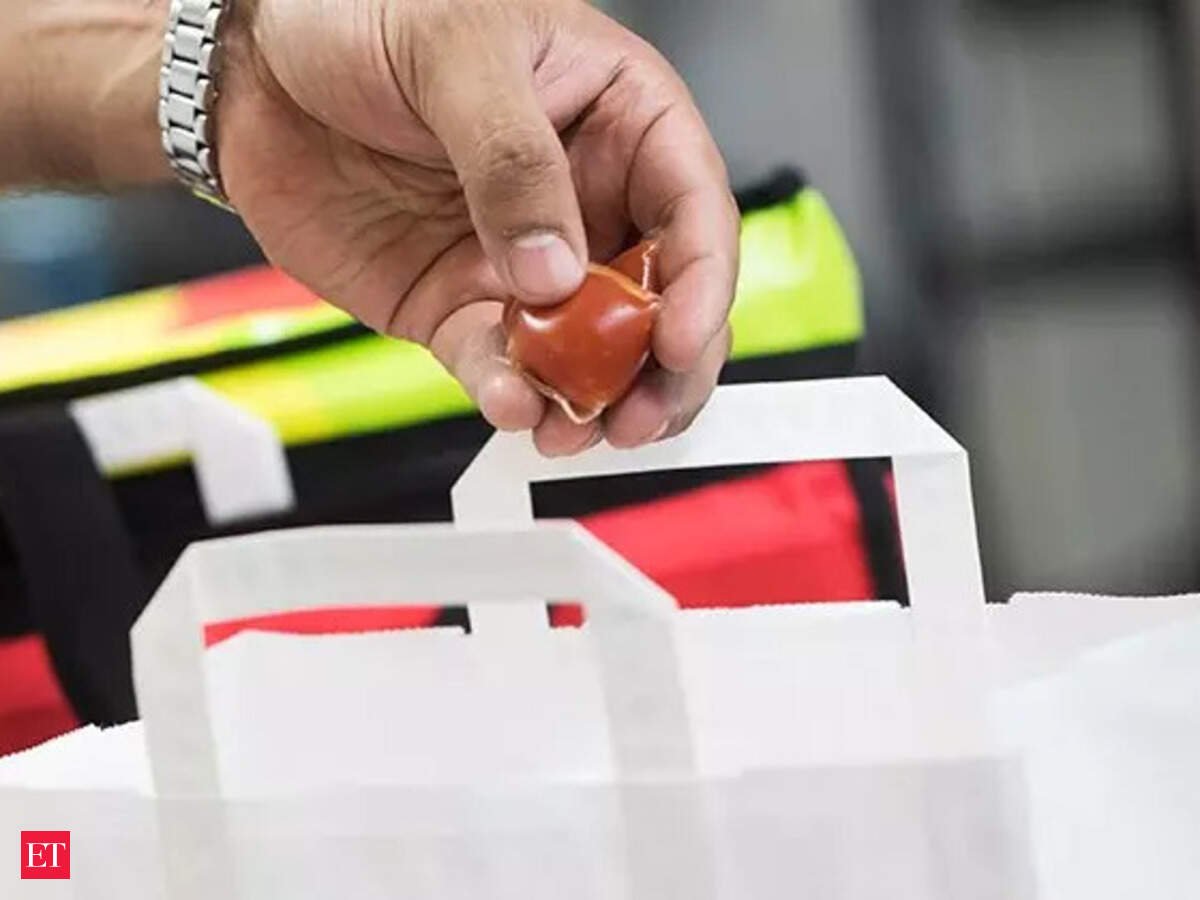
A newly rekindled romance with Europe has seen the current Labour-led British government there become willin’, Barkis-like, to adopt rules that routinely used to make their Conservative predecessors see red. And that has now led to talk of an outrageous assault on a familiar and beloved table accessory in countless British pubs and eateries: sachets of not only single-serve ketchup but also mayonnaise, mustard and vinegar, usually reposing in a convenient bowl.
Also Read: Why best leaders don’t try to save the world
No doubt back in 1955, Messrs Harold Ross and Yale Kaplan did yeoman service to the food trade by apportioning the right amount of condiment and ensconcing it in a sachet that required less energy to open and dispense than bottles or jars. Bigger receptacles were messy and wasteful it was believed, and sachets offered a clean and ordered – read, pre-measured – alternative that required no thought. Clearly, they had read the average convenience junkie’s mind perfectly.
Of course, the primary beneficiary of these prepackaged condiments were eateries themselves. Which business would not want to obviate the chance of wasteful or butter-fingered customers dispensing more from bottles than necessary? The extra packing cost per unit of ketchup is recouped by lower wastage even though the sachets are offered “free”. Not many such sachets go waste anyway, even if a few brazen types grab handfuls of each to go with their fish and chips.
Few humans can resist the allure of those sauce packets in our current stage of evolution. This writer included. When any of those come in my standard airline meal, I sagely tuck them into my bag rather than hand them back unopened along with my empty tray to the cabin crew. Ditto for wet tissue sachets, sugar packets, miniature jam and butter tubs and small water bottles. Is that wastage or thriftiness on my part? All my travel bags have a few tucked away from last time…
Single-use sachets have become all pervasive in India, from pickles to shampoo, biscuits to spices, ointments to detergents. Speaking anecdotally, though, pan masala and gutka sachets appear to be the most pernicious. Those shiny, empty sachets find their way into every nook and cranny; most disturbingly they turn up even in the garden soil when I am repotting a plant. Millions of thoughtlessly chucked sachets now clog up our water bodies, forests and farmlands.Our planet would be better off without all sachets, but this EU regulation exempts takeaway food. So those ubiquitous oregano and chilli flakes sachets that arrive with pizza and burger orders will still be available for stockpiling by human packrats after 2030. Hospitals and nursing homes will also be exempt, on grounds of hygiene and safety. EU being EU, alternatives are also helpfully listed: refillable sauce dispensers, small bowls for jam and jugs for creamers.
The EU regulation is aimed only at establishments that provide these to those who dine in. But there is a case to draw a line under this brilliant 20th century invention – for the sake of future centuries. Pre-portioned packaging really underestimates humans: we can go to the moon and deep space but cannot use a squeezy jar or a bottle at a fast-food restaurant or at home for ketchup or mustard? Single-use plastics are the most dispensable of inventions, pun intended.