

 rahulNovember 6, 20264 Mins read1
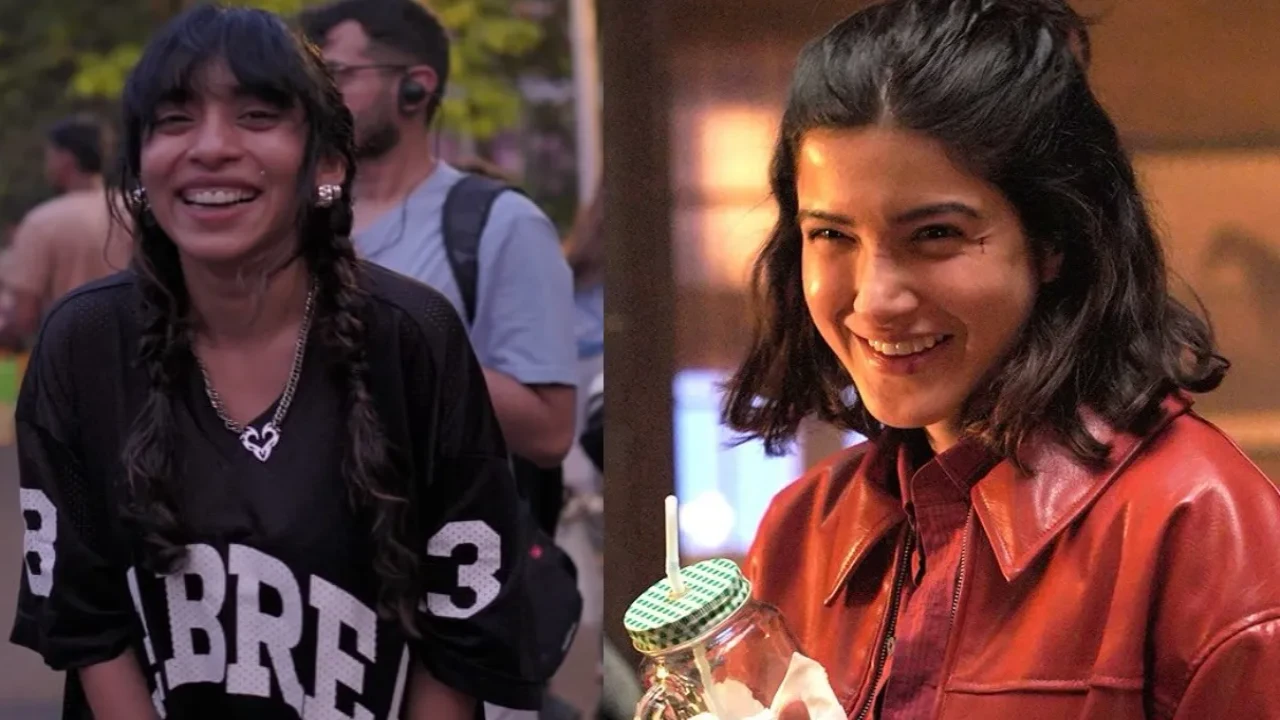
In an exclusive conversation with Pinkvilla, director Reema Maya opens up about reimagining the familiar Student of the Year universe with Student of the Year: After Dark (starring Shanaya Kapoor (in a double role), Divik Sharma, Manya Grover, and Mannat Duggal), taking the franchise into a darker, more intense space. She discusses working with Shanaya Kapoor on her dual characters, exploring the pressures of competition and validation among today’s youth, and the creative process behind the thriller.
Excerpts from the interview
1. Title Student of the Year has always been associated with glamour, romance, friendship and campus rivalries. What was your thought and approach to taking this universe into the darker territory of a thriller?
R: Student of the Year: After Dark is a young adult m*rder-mystery competition series, and the Student of the Year franchise reimagined for today’s generation. It is an angsty, gritty young adult project that speaks to the hyper-competitive mindset our youth face and how it affects their friendships, their interpersonal relationships, and their sense of self. It is fairly dark, and it is an imperfect world full of imperfect people and each and every one of us is fighting so many conflicts outside and within ourselves. So, that was the world that we chose to set this franchise in.
2. How much preparation went into helping Shanaya switch between two characters, especially when shooting emotionally demanding scenes?
R: One of the things that I always do with my actors, and the one I did with my cast, was I really sit down and talk to them as individuals, as human beings, understand the life experiences that they have had and try to understand the intersection of themselves and the characters that they are playing. Usually, the people you end up casting, you cast them because in their auditions, in the meetings, you see some truth that they bring to the character and the scene, and those truths always have some roots in their lives.
So, I like to sit down, and I learn from them where those truths come from, and that really helps us establish a syntax between us as director and actor, and it helps through the course of the project when on set things get really hectic; it helps to always have that foundation and that relationship between us as director and actor. And it was the same process with Shanaya also; it was a lot of in-depth conversations, and it was a lot of clear separation between who Aditi is, who Ayesha is, what motivates each character, what their life history has been so far till they reach the point that the show is set in, what their interpersonal dynamics have been, and why Aditi is the way she is, why does she dresses the way she does, talks the way she does, feels the way she does. Similarly, for Ayesha and we pretty much treated them as two separate characters and I think Shanaya worked really hard. She was very prepared.
3. You have described the show as a thriller rooted in competition. Today, young people are constantly competing for validation, popularity, academic success and social media attention. How much of this real-world pressure finds its way into the narrative?
A lot of this real-world pressure finds its way into the narrative. I think that was the conversation that I really wanted to have with the audiences that the show is meant for, and we hope that through the narrative, through the competition and through each of the characters, we provide emotional resonance and relatability to a lot of people in our audience. I, you know, through the course of creating and directing the project, I often found myself thinking, you know, are even people that we think are grey, just good kids stuck in bad situations, and what would the world look like if, you know, we were all not constantly pit against each other in competition.
4. A film or series that changed the way you look at filmmaking?
Very hard to pin it down to just one. There’s so many things from so many different films and series that I’m sure have helped me understand filmmaking so much better, has inspired me to pursue filmmaking as well. Something that just comes to mind off the top of my head is a film called Eternal Sunshine of the Spotless Mind.
I loved how psychological it was, how mixed genre it was. It was romance, but it was also a psychological thriller. That was quite exciting.
There are, of course, so many contemporary ideas also, but that was, I remember, one of the first few films that I watched and was completely blown away by. There was also a short film called L’homme sans tête, a French short film, a man without a head, which really blew me away because it showed me that there were no limits to filmmaking and to imagination. And if you’re very clear with what you want to say, you can find really unique ways of telling those stories..
5. Do you think filmmakers from independent cinema are getting more opportunities to bring unconventional storytelling into mainstream entertainment?
I think yes, definitely. With the rise of streaming platforms and social media, there is a greater sense of democratisation of the industry and the lines are blurring a little bit, but not enough. I want there to be even more opportunities. I want directors to not be boxed in as indie directors only or only commercial directors. I think artists need to be appreciated for the talent that they have, the caliber they have, and people need to bet on different filmmakers for the versatility that they can bring to the table.
ALSO READ: EXCLUSIVE: Oh My Goddess runs into a roadblock due to creative differences