Men are in their matcha era, no girlfriend alibi required

In the past few years, matcha’s popularity has experienced a steady inflation, climbing in tandem with our collective interest in health, wellness and anything that promises energy without the emotional violence of a second coffee. This vibrant green powder has become hard to avoid, appearing across cafés and Instagram feeds. Matcha became popular through a very specific image of leisure and discipline, one that was overwhelmingly feminine.
For a while, matcha seemed to come with its own uniform–neutral-toned workout sets, claw clips, an 11am Pilates class and a post-workout café run with the girls. The attraction was not only the drink, but the time around it: weekday leisure, soft routines, the suggestion of a life organised around wellness rather than urgency. As slow living, trad-wife aesthetics and grandma-core gathered online, matcha became part of that same visual world for young women.
The anxious attachment Lorelai Gilmore from Gilmore Girls had with black coffee is what Gen Z seems to be building with matcha. “Coffee, please, and a shot of cynicism” has, twenty-six years later, been translated to “matcha, please, and a shot of whimsy.” We have been asking whether matcha is the new coffee since the Japanese drink began migrating to cafés around the world.
Matcha has found its audience in India, and interestingly, what began as a café order associated with an archetype of wellness-minded women has widened into something more mainstream. An integral part of that shift has been men.
Shalini Rattan, founder of Affogato and Crèmeyum Creamery, says matcha has had a snowball effect at her café in Bandra. She began with the authentic drink, then moved into variations, matcha gelato and, finally, mochi. The demand, she says, would not be this high if the drink were only an aesthetic extension of the clean-girl trope. When men begin to like a product, it can take on the energy of conquest. This time, the territory is not a city or civilisation, but a 150-square-foot café with a line around the block.
So how did men enter a space so closely associated with women? Aryan Gandhi, founder of Drnk, says “men are indulging… but only to understand why women like it.” The answer is funny because it sounds both defensive and true.
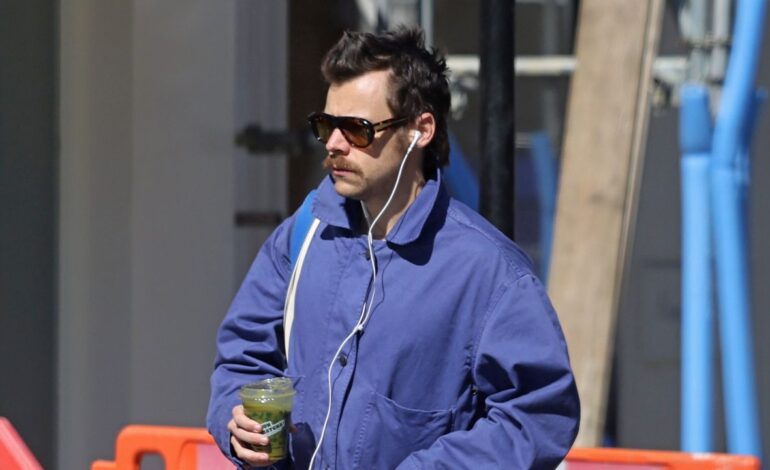
For many, the affair with matcha often begins behind the curtain of “my girlfriend made me have it”. He is not really ordering the pretty green drink but has been persuaded into it. Once a group of boys can walk into a café and order matcha without a woman present to justify it, the drink has moved from curiosity to preference. Coffee may still have the old masculine credentials, but that anxiety-inducing loyalty can only go so far.
It helps that matcha can be made to sound practical. Shreya Aggarwal, founder of Bang Bang Noodles, says men are looking for alternatives to coffee. Post a heated padel session, the sweat must be complemented by a beverage that supports the health journey; else, what will the WHOOP band say? The drink is photogenic, yes, but it also contains antioxidants, can be customised and carries the practical promise of energy with fewer jitters. In other words, matcha lets men enjoy something soft while giving it a functional explanation. Internet discourse has followed men’s search for “princess treatment,” discovering softer sides within the brand book of masculinity. In today’s evolving world, macho and matcha can coexist in harmony.
Gandhi claims that everybody has a “matcha baddie” within them. But what draws out this baddie? When asked, five out of six men I spoke to said it was the flavour profile. Rattan also says, “You have to develop a taste for matcha. Liking it in the first go is very rare.” There is a tinge of bitterness to it and it can be tweaked to one’s palate. Matcha looks soft, but it asks to be acquired, which gives men the rare pleasure of turning a pretty drink into a matter of discernment.