How a photographer’s memories of India caught the eye of Dries Van Noten
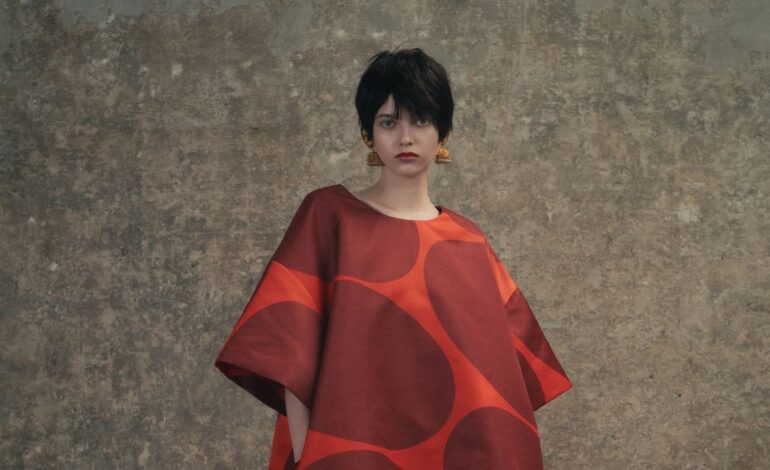

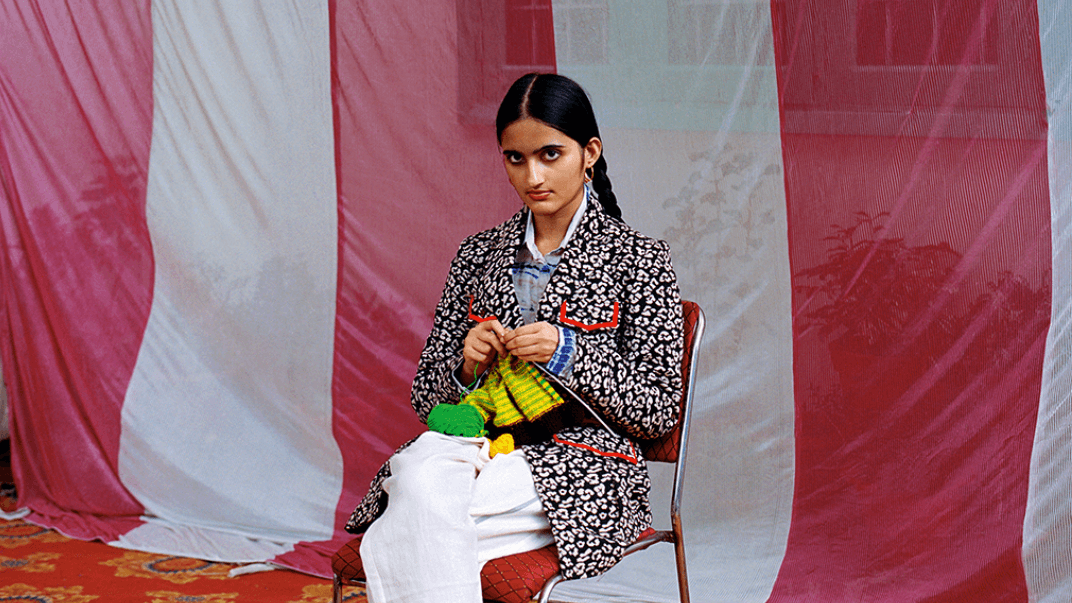
Last year, 29-year-old photographer Steve Ney was awarded the Filippo Roversi grant, an esteemed prize that offers an emerging talent a portfolio review with legendary fashion photographer Paolo Roversi. Ney’s winning series, Our India, also caught the attention of Julian Klausner, newly appointed creative director of Dries Van Noten. “Some collaborations happen naturally and unexpectedly, which often makes them the most interesting,” says Klausner, who first messaged Ney on Instagram before meeting him at the brand’s private showroom. “He saw my work and he said it was really poetic; he was touched by the images,” Ney recalls. “And I spoke to him about my life and relationship with home.”
Born in France to immigrant parents from Puducherry, Ney’s visual lexicon is deeply informed by duality. “My mother didn’t speak French and had no connection to the culture, but she always wanted to make us real French people,” he says. Rather than steering him towards a more conventional career, Ney’s mother encouraged his fascination with image-making from an early age. She’d photograph him and his siblings obsessively, instilling in him a lasting impulse to document his life and family. That instinct is still evident in his practice as well as his choice of collaborators. “I love to work with family,” he says, noting his cousin Rabine Flory, who first inspired his interest in fashion photography.
The challenges that followed Ney through adolescence—including the loss of his father and a decision to leave Esmod Paris after just a few months-only pushed him to pursue photography more seriously. As his practice grows and evolves, he draws on a rich terrain of influences: from the stark humanism of documentarians like Diane Arbus and Don McCullin to the stylised fantasies of fashion photographers like Richard Avedon and, inevitably, Roversi himself. Ney himself is committed equally to both style and sincerity in his work. He returns often to Puducherry, photographing what he describes as “life as I saw it when I was a child”, driven by an earnest desire to connect with people in India more directly so that his imagery can “show our culture authentically”.
Amidst an ongoing global fashion discourse that consistently flattens India and its population into an untapped luxury demographic, few grasp its complexities, its creative ecosystem and, most importantly, its breadth of talent. Ney is acutely aware of these limitations when it comes to representation—not only in front of the camera, but behind it too. We speak candidly about the rarity of seeing Indian creatives receive international accolades in roles beyond modelling. Referencing model Bhavitha Mandava and her ambassadorship with Chanel, he reflects on the bittersweet nature of visibility that is celebrated precisely because it remains so rare. “Everyone is behaving as if it’s exceptional to see an Indian girl at Chanel,” he says. “We [India] have so many strong faces. It should be the norm.”
Klausner speaks with similar candour. “I think it’s important to nurture talent that genuinely resonates with what we [Dries Van Noten] do, regardless of where it comes from,” he says. “That said, the house has a long-standing relationship with India, and I approach that with both respect and awareness.”