
What’s an ecowatch? – The Hindu
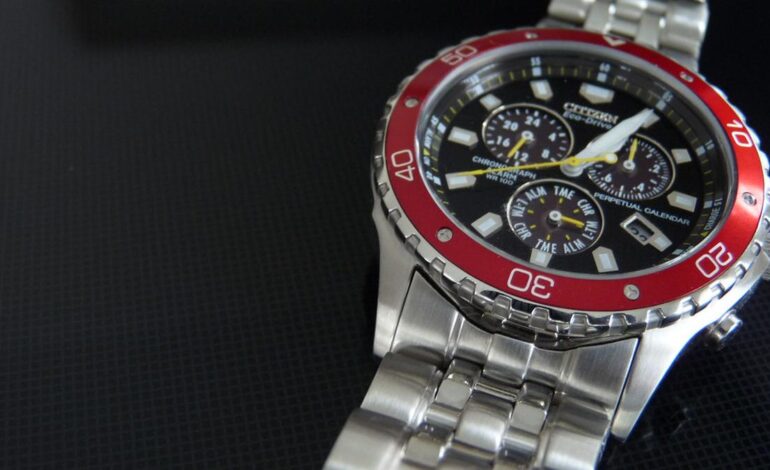

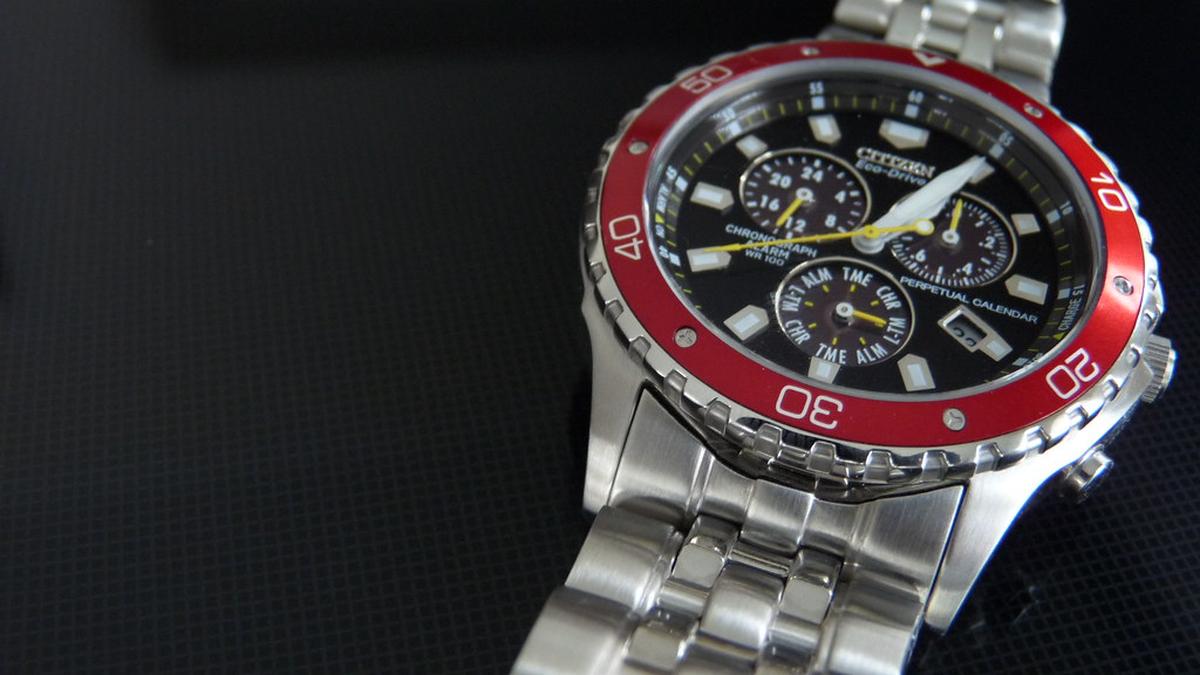
An ecowatch.
| Photo Credit: Flickr
While many brands use sustainable elements to make watches — from eco-friendly straps to wooden cases and hands — not many think of battery-free options.
What’s an ecowatch?
An eco-watch is a sustainable take on our wristwatches. It uses alternative methods like solar or kinetic energy to power the watch instead of usual batteries. An environmentally sustainable product, ecowatches began way back in the 1970s, while kinetic watches started in the 1980s.

An ecowatch.
| Photo Credit:
Flickr
Batteries are typically made from materials like zinc and manganese dioxide (alkaline), lithium, cobalt, nickel, and graphite (lithium-ion), or lead and sulfuric acid (lead-acid). The casing is often made of steel or plastic. The environmental impact of all these, starting from the impact of raw material extraction, to the energy-intensive manufacturing, to the difficulty in disposing of the hazardous waste, is much larger than we think.
Did you know?
Wristwatch waste is a growing component of the 62 million tonnes (2022 statistics) of global e-waste produced annually.
Mining to extract the raw material used often causes water depletion and toxic leakage, while improper disposal leads to soil and water contamination from the heavy metals. While recycling is an option and essential, the cost of the same is quite alarming, often leading to improper disposal systems.
Slow fashion all the way
Slow fashion refers to an ethical approach to fashion and lifestyle choices where quality, sustainability and fair labour are given more importance over mass production and consumption. It often opposes the disposable nature of fast fashion by encouraging durable materials and conscious, long-term purchasing to reduce environmental impact.

An ecowatch.
| Photo Credit:
Flickr
Eco watches can definitely be considered a part of slow fashion and an impact of sustainable choices becoming more evident in society.
How do they work?
There are mainly two types of eco-watches — solar-powered and kinetic-powered ecowatches. While solar powered uses solar energy to power themselves, kinetic watches use energy from the movement of the watch to sustain.
Solar‑powered, or “light‑powered,” watches contain small photovoltaic cells under the watch dial that convert sunlight and artificial light into electrical energy. This energy charges a rechargeable battery or capacitor inside the watch, which then powers the movement and keeps the watch running accurately. Unlike traditional quartz watches that need a new battery every few years, solar‑powered watches can go months or even years without any battery replacement. Many of these watches also store enough energy to last over a year in darkness, meaning they are highly reliable for students who lead busy academic and extracurricular lives.
Kinetic watches, on the other hand, feature an oscillating rotor that spins with wrist movement, driving a miniature generator that converts mechanical energy into electricity. This power is stored in a rechargeable battery (or capacitor) to run the quartz movement and power the watch, often providing a power reserve of up to six months.
For a better future
Sustainable watches, even though expensive and not suitable in rare conditions, are a better long-term choice. Apart from the initial cost, the cost of regular battery replacements and maintenance is cancelled out in an eco-watch. The shift from traditional watches to eco-watches indicates a generational change and a sign of adaptation of habits like sustainable consumption. Smaller steps like eco-watches today can definitely help us create better traditions tomorrow!
Published – April 25, 2026 05:30 pm IST